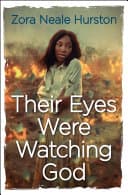
Zora Neale Hurston
Combining folklore, ethnography, and narrative storytelling, fictional and factual accounts of Southern African American life gained lasting representation through early-twentieth-century literature, most notably in the 1937 novel Their Eyes Were Watching God. Zora Neale Hurston built a multifaceted career as a novelist, anthropologist, folklorist, and documentary filmmaker whose work documented Black cultural heritage, regional oral traditions, and racial struggles across the American South and the Caribbean.
Career & Background
Born on January 7, 1891, in Notasulga, Alabama, to John Hurston and Lucy Potts Hurston, Zora Neale Hurston was the fifth of eight children. She grew up in the all-Black town of Eatonville, Florida, an environment that profoundly shaped her personal identity and creative vision. After graduating from Morgan Academy in Baltimore, she attended Howard University in Washington, D.C., where she played violin, wrote for the journal Stylus, and published early work in Opportunity magazine. Hurston later moved to New York City and became a prominent literary figure during the Harlem Renaissance. In May 1925, she gained wider recognition at an Opportunity magazine awards dinner, winning second-place honors for her short story "Spunk" and her play Color Struck.
Over a career spanning more than three decades, Hurston published four novels, two books of folklore, an autobiography, and numerous short stories, essays, and plays. In addition to her literary writing, she conducted extensive anthropological field research throughout the American South, Haiti, and Jamaica. Her field studies investigated Hoodoo, Caribbean Vodou, and traditional mythology, introducing ethnomusicological research long before the formal establishment of the discipline. Changing literary tastes led to her work falling out of print by the late 1940s. Following her death on January 28, 1960, interest in her work saw a major resurgence when Their Eyes Were Watching God was reissued in 1978 after being out of print for nearly forty years.
Writing Style & Themes
Hurston's narrative style is characterized by her background in social science and her meticulous dedication to rendering Southern African American dialect. By combining scientific ethnographic research with artistic storytelling, her prose captured authentic oral traditions, spiritual beliefs, and community interactions. Her primary themes center on female self-realization, interpersonal relationships in all-Black spaces, traditional Hoodoo practices, and the lived realities of racial struggles in the early-twentieth-century South. Through her fictional and factual accounts of Black heritage, Hurston elevated regional folklore while maintaining cultural authenticity and respectful representation.
Major Works
- Their Eyes Were Watching God — Published in 1937, this landmark novel set in Florida explores Janie Crawford's journey toward autonomy and personal expression, drawing extensively on Southern African American speech and folklore.
- Tell My Horse — Published in 1937, this anthropological study documents Caribbean Vodou ceremonies, ethnomusicology, and local mythology based on Hurston's research in Haiti and Jamaica.
- Spunk — An award-winning short story published in 1925 that helped establish Hurston's reputation during the Harlem Renaissance.
- Color Struck — A 1925 play recognized by Opportunity magazine that examines intraracial prejudice and personal identity.