Unknown
Also known as Anonymous, Author Unknown, Unknown Author, Mystic Unknown
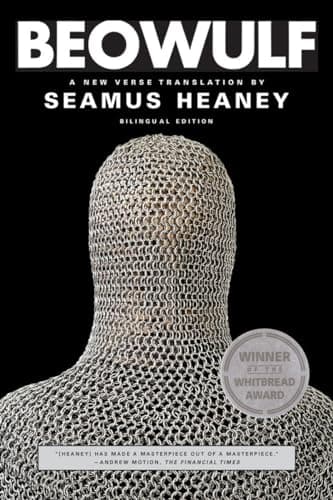
The epic poem Beowulf represents one of the most foundational narrative creations in Old English literature, serving as a vital bridge between heroic oral traditions and written literary history. Created by unknown or anonymous authors, such works encompass centuries of storytelling where creators kept their identities secret, published under pseudonyms, or were forgotten over the course of history.
Career & Background
Throughout literary history, anonymous and pseudonymous designations have been used across various epochs and genres. Historical masterpieces such as Beowulf and The Cloud of Unknowing lost their creators' original names to time, while early 1830s street literature like chapbooks—including The Trial of an Ox for Killing a Man—were distributed cheaply without named writers. In modern centuries, writers have chosen anonymity for privacy, artistic philosophy, or political refuge. B. Traven, operating under a pseudonym, authored influential novels on social exploitation in Mexico such as The Treasure of the Sierra Madre (1927). In contemporary publishing, figures like Elena Ferrante debuted in 1992 maintaining strict anonymity to prioritize text over celebrity, while American author John Twelve Hawks and novelist Evan Dara continue to publish major literary works without revealing their true identities.
Writing Style & Themes
Works classified under an unknown or pseudonymous creator span diverse themes, ranging from spiritual contemplation and social critique to systemic exploitation and heroic folklore. Medieval texts like The Cloud of Unknowing offer contemplative guidance on mysticism, whereas 17th-century collections such as An Collins's Divine Songs and Meditacions (1653) blend devotional poetry with personal prose. Modern pseudonymous literature frequently critiques political structures, authority, and modern alienation, as seen in the novels of Evan Dara and B. Traven. Copyright law in regions like the United States formally defines anonymous works as publications where no natural person is identified as the author, affording these texts specific protections extending 95 years from publication or 120 years from creation.
Major Works
- Beowulf — An ancient Old English epic poem preserved through manuscript history, recording the heroic deeds and monster battles of its hero.
- The Cloud of Unknowing — A 14th-century devotional prose treatise on Christian mysticism written by an unidentified English monk.
- The Treasure of the Sierra Madre — A novel of exploitation and greed written in 1927 by the pseudonymous author B. Traven.
- Divine Songs and Meditacions — A 1653 collection of spiritual poems and meditations attributed to the writer An Collins.