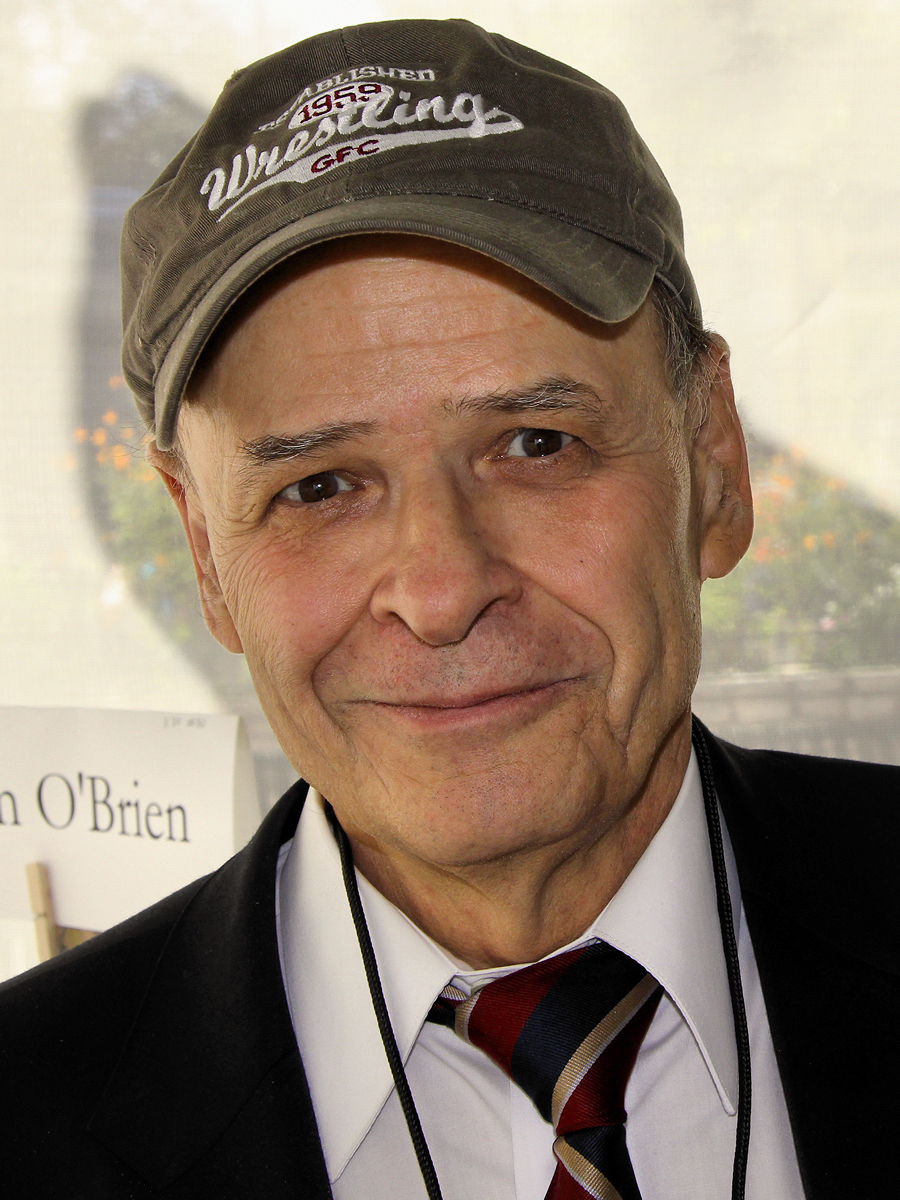
§Author· 1 book
Tim O'Brien
Also known as William Timothy O'Brien, William Tim O'Brien
American military fiction examining the Vietnam War gained widespread recognition through the linked short-story collection The Things They Carried (1990). Written by William Timothy O'Brien, who was born October 1, 1946, the work draws directly from his military service as an infantryman to explore memory, truth, and moral conflict during combat and its aftermath. In 2010, the New York Times described O'Brien's book as a Vietnam classic, reflecting its enduring place in modern literature and frequent inclusion in literary curricula.
Career & Background
Born in Austin, Minnesota, O'Brien grew up in Worthington, Minnesota, a town on Lake Okabena that significantly shaped his imagination and served as the setting for several of his stories. After graduating summa cum laude with a bachelor's degree in political science from Macalester College in St. Paul in 1968, he was drafted into the U.S. Army and served in Vietnam. Following his military discharge, he undertook graduate studies at Harvard University and worked as a national affairs reporter for the Washington Post from 1973 to 1974 before turning fully to fiction and teaching at the Bread Loaf Writers' Conference. Later in his academic career, he held the endowed chair in the MFA program at Texas State University–San Marcos every other academic year in 2003, 2004, 2005, 2006, 2007, 2008, 2009, 2011, and 2012.
Writing Style & Themes
O'Brien's prose is characterized by its exploration of the tension between factual truth and emotional reality, frequently employing semi-autobiographical elements, metafictional commentary, and shifting narrative perspectives. Much of his writing centers on wartime Vietnam and the deep psychological scars carried by soldiers, while his subsequent works examine the postwar lives of veterans adjusting to civilian existence. His acclaimed novel Going After Cacciato (1978) won the National Book Award for Fiction in 1979 by fusing gritty combat realism with surreal, imaginative journeys, illustrating how soldiers use mental escape to cope with the horrors of war.
Major Works
- The Things They Carried — First published in 1990, this collection of linked semi-autobiographical stories draws on O'Brien's combat experience in Vietnam to examine physical and emotional burdens, memory, and the nature of storytelling.
- Going After Cacciato — Published in 1978, this Vietnam War novel blends combat realism with fantasy as a squad of soldiers pursues a deserter across thousands of miles, winning the National Book Award for Fiction in 1979.
§All Books

The Things They Carried
Tim O'Brien, 1990
353 ratings
§ About Tim O'Brien's books
- Books on SansFiction
- 1
- Published
- 1990
- Average rating
- 4.1 / 5 across 353 ratings
- Genres
- Anthologies, Historical Fiction, Nonfiction, Short Stories In English - American Writers
The book: The Things They Carried (1990)
*The Things They Carried* (1990) is a collection of linked short stories by American novelist Tim O'Brien, about a platoon of American soldiers fighting on the ground in the Vietnam War. His third book about the war, it is based upon his experiences as a soldier in the 23rd Infantry Division.
Common questions about Tim O'Brien
- Who is Tim O'Brien?
- Born in Austin, Minnesota, O'Brien grew up in Worthington, Minnesota, a town on Lake Okabena that significantly shaped his imagination and served as the setting for several of his stories. After graduating summa cum laude with a bachelor's degree in political science from Macalester College in St. Paul in 1968, he was drafted into the U.S. Army and served in Vietnam.
- What is Tim O'Brien best known for?
- Tim O'Brien is best known for The Things They Carried, published in 1990 with 353 ratings and a 4.1 average. It is the most-rated of Tim O'Brien's books on SansFiction.
- What genres does Tim O'Brien write?
- Tim O'Brien's books on SansFiction are tagged Anthologies, Historical Fiction, Nonfiction and Short Stories In English - American Writers.
Explore: Anthologies · Historical Fiction · Nonfiction · Short Stories In English - American Writers