
§Author· 1 book
Thomas Olde Heuvelt
Also known as Olde Heuvelt, Thomas
Modern Dutch horror gained international prominence through chilling dark fantasy that fuses small-town folklore with contemporary technology, best demonstrated in the breakthrough novel Hex. Author Thomas Olde Heuvelt crafted this eerie narrative about a seventeenth-century witch haunting a quiet municipality, earning widespread praise from major horror creators and establishing his reputation across translated speculative fiction.
Career & Background
Born on April 16, 1983, in Nijmegen, Gelderland, The Netherlands, Thomas Olde Heuvelt began writing speculative stories at a young age. His short fiction earned early acclaim in the Dutch literary community, including the Paul Harland Prize. His broader international recognition expanded dramatically when he became the first translated author to win a Hugo Award for his short fiction, alongside nominations for additional Hugo Awards and a World Fantasy Award. Outside of writing, Olde Heuvelt—whose surname translates to 'Old Hill' in Dutch dialect—is an avid mountaineer and guitar player who divides his time between The Netherlands and the south of France.
Writing Style & Themes
Olde Heuvelt's fiction blends horror, magic realism, and fantasy, often examining how ordinary communities and individuals respond to uncanny or terrifying phenomena. His narratives frequently explore moral sacrifices, the dark consequences of pursuing happiness, and psychological isolation in extreme environments. By combining eerie supernatural premises with acute psychological observation, his translated works have reached readers in more than twenty-five countries worldwide.
Major Works
- Hex — A breakthrough horror novel published in over twenty-five countries that depicts a small town haunted by a seventeenth-century witch whose presence is managed through modern surveillance and digital technology.
- Echo — A horror novel featuring an alpine setting that explores psychological dread, trauma, and uncanny survival, noted for its harrowing opening prologue.
- Oracle — A compelling speculative thriller that expands on supernatural mysteries and government secrecy, praised for its sharp pacing and intricate narrative tension.
- Darker Days — A modern horror story exploring the moral sacrifices and psychological costs associated with a Faustian bargain.
§All Books
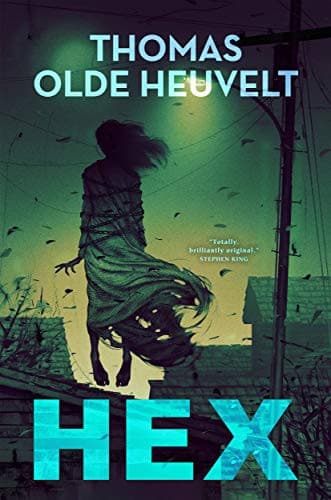
Hex
Thomas Olde Heuvelt, 2013
146 ratings