
§Author· 1 book
Tennessee Williams
Also known as Thomas Lanier Williams III, Thomas Lanier Williams
Twentieth-century American theater was profoundly transformed by mid-century dramas that brought raw psychological intimacy, poetic dialogue, and Southern gothic realism to the stage. Tennessee Williams emerged as one of the most prominent American playwrights and poets of his era, creating enduring theatrical works that explored the fragile boundaries between illusion and harsh reality, most notably in his Pulitzer Prize-winning play A Streetcar Named Desire.
Career & Background
Born Thomas Lanier Williams III on March 26, 1911, in Columbus, Mississippi, he was raised primarily by his mother while his father worked as a traveling salesman. During his studies at the University of Missouri, Washington University, and the University of Iowa—where he completed his Bachelor of Arts—he acquired the nickname Tennessee from classmates referencing his Southern accent and family roots. After graduating, he relocated to New Orleans, an environment that deeply influenced his creative development. His primary breakthrough arrived with the Broadway premiere of The Glass Menagerie in 1945, establishing his reputation for emotional depth. Over the following decades, Williams produced a succession of major plays including A Streetcar Named Desire in 1947 and Cat on a Hot Tin Roof in 1955, dividing his time between New York and Key West, Florida.
In addition to his celebrated stage works, Williams was an award-winning American playwright and poet who contributed to poetry, screenplays, and experimental drama throughout his career. Many of his plays were adapted into classic motion pictures starring actors such as Marlon Brando and Elizabeth Taylor, bringing his narratives to international cinematic audiences. Despite personal struggles and mixed critical reactions to his later experimental works like Out Cry, his dramatic craftsmanship left a lasting mark on contemporary theater prior to his death on February 25, 1983, in New York City.
Writing Style & Themes
Williams's writing is distinguished by its blend of lyricism and intense dramatic conflict, often set against a backdrop of romantic gentility undermined by psychological tension, desire, and human frustration. His characters frequently include delicate outsiders, tragic Southern figures, and deeply troubled individuals struggling to survive in an uncompromising modern world. Through evocative dialogue and symbolic staging, Williams transformed personal family experiences into broader meditations on solitude, human vulnerability, and the fragile nature of personal illusion.
Major Works
- A Streetcar Named Desire — First staged on Broadway in 1947, this Pulitzer Prize-winning drama chronicles the psychological decline of Blanche DuBois after moving into her sister Stella's New Orleans apartment, bringing her into conflict with her brother-in-law Stanley Kowalski.
- The Glass Menagerie — Premiering on Broadway in 1945, this semi-autobiographical memory play portrays the Wingfield family in St. Louis as they grapple with financial instability, shattered expectations, and fragile illusions.
- Cat on a Hot Tin Roof — Set on a Mississippi Delta plantation, this acclaimed drama examines family secrets, repressed desires, and inheritance battles within the wealthy Pollitt family.
- Out Cry — An experimental late-career play toward which Williams felt a particular affection, demonstrating his continued commitment to theatrical innovation.
§All Books
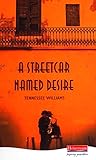
A Streetcar Named Desire
Tennessee Williams, 1947
268 ratings
§ About Tennessee Williams's books
- Books on SansFiction
- 1
- Published
- 1947
- Average rating
- 3.9 / 5 across 268 ratings
- Genres
- Classics, Drama, Plays, Women
The book: A Streetcar Named Desire (1947)
'I once went out with a doll who said to me, "I am the glamorous type, I am the glamorous type!" I said, "So what?"' Set against the steamy backdrop of the New Orleans old quarter, this atmospheric tale depicts the conflict between a fading Southern Belle from an old colonial family and the brash lower class family her sister has married into.
Common questions about Tennessee Williams
- Who is Tennessee Williams?
- Born Thomas Lanier Williams III on March 26, 1911, in Columbus, Mississippi, he was raised primarily by his mother while his father worked as a traveling salesman. During his studies at the University of Missouri, Washington University, and the University of Iowa—where he completed his Bachelor of Arts—he acquired the nickname Tennessee from classmates referencing his Southern accent and family roots.
- What is Tennessee Williams best known for?
- Tennessee Williams is best known for A Streetcar Named Desire, published in 1947 with 268 ratings and a 3.9 average. It is the most-rated of Tennessee Williams's books on SansFiction.
- What genres does Tennessee Williams write?
- Tennessee Williams's books on SansFiction are tagged Classics, Drama, Plays and Women.