Tananarive Due
Also known as Tananarive Priscilla Due
Black horror and speculative fiction have been shaped for decades by works that merge supernatural suspense with historical and social reality, notably through novels like My Soul to Keep and The Good House. Author Tananarive Due has spent over twenty-five years crafting stories that center African American experiences, historical memory, and supernatural horror across novels, short fiction, screenwriting, and academic research.
Career & Background
Born on January 5, 1966, in Tallahassee, Florida, Due grew up in a family deeply involved in civil rights activism; her mother, Patricia Stephens Due, was a prominent activist who served forty-nine days in jail for participating in sit-ins, while her father, John Due, worked as a civil rights attorney. Due earned a B.S. in journalism from Northwestern University's Medill School of Journalism and worked as a feature writer and syndicated columnist for the Miami Herald before earning an M.A. in English literature with an emphasis on Nigerian literature from the University of Leeds as a Rotary Foundation Scholar. She co-authored the civil rights memoir Freedom in the Family: A Mother-Daughter Memoir of the Fight for Civil Rights with her mother. In addition to her career as a novelist, Due teaches courses in Black Horror and Afrofuturism at UCLA, including a course on the Black horror aesthetic. Her screenwriting and film work includes serving as executive producer on the documentary Horror Noire: A History of Black Horror, co-writing the graphic novel The Keeper with her husband Steven Barnes, writing an episode for Season 2 of Jordan Peele's The Twilight Zone, and co-hosting the podcast Lifewriting: Write for Your Life!
Writing Style & Themes
Due's fiction integrates themes of grief, trauma, racial injustice, and ancestral memory with elements of cosmic horror, dark fantasy, and supernatural suspense. Her writing draws on childhood experiences of navigating racial tension, grounding supernatural threats in the psychological and social realities faced by Black families. Through short fiction in collections such as Ghost Summer (published as Ghost Summer: Stories) and The Wishing Pool and Other Stories, as well as early novels like The Between, she combines precise real-world detail with dark speculative frameworks, exploring how historical violence echoes across generations.
Major Works
- The Between — Published in 1995, Due's debut novel follows a man whose perception of reality fractures into terrifying alternate worlds after surviving a near-fatal childhood accident.
- My Soul to Keep — The first book in the African Immortals series introduces a centuries-old immortal whose secret past threatens the mortal family he loves.
- The Living Blood — Winner of the American Book Award, this sequel to My Soul to Keep expands the African Immortals saga into global stakes involving ancient bloodlines and supernatural power.
- Blood Colony — A novel in the African Immortals series that weaves together immortal blood, secret societies, and medical thrillers.
- My Soul to Take — An installment in the African Immortals series exploring destiny, music, and supernatural conflict across generations.
- The Good House — A supernatural horror novel set in Washington State centered on family tragedy, ancestral secrets, and demonic forces.
- Ghost Summer — Winner of a British Fantasy Award, this short story collection brings together southern gothic horror, supernatural tales, and speculative fiction.
- The Reformatory — A historical horror novel set in Jim Crow-era Florida that won the Bram Stoker Award, Shirley Jackson Award, and World Fantasy Award for its portrayal of a haunted reform school.
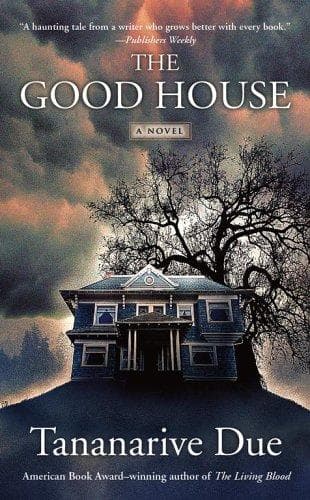
The Good House
The Between
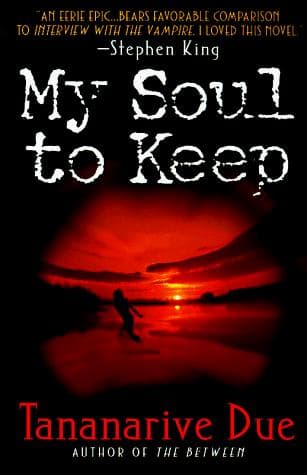
My Soul to Keep
Ghost Summer
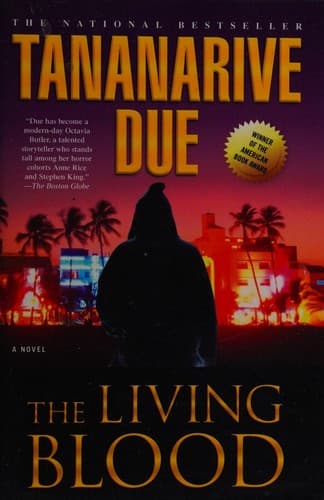
The Living Blood
My Soul to Take

Blood Colony