Talia Hibbert
Contemporary and paranormal romantic fiction often balances high-spirited humor with deeply emotional character arcs. Talia Hibbert became a prominent voice in modern romantic comedy through her vibrant characterizations, snappy dialogue, and inclusive representations of neurodiversity and chronic illness. Her acclaimed Brown Sisters trilogy, beginning with Get a Life, Chloe Brown and continuing with Take a Hint, Dani Brown, established her reputation for blending witty banter with authentic vulnerability.
Career & Background
Hibbert was born in England to a mother of mixed Roma and Sierra Leonean heritage and a father of Jamaican descent. While studying at the University of Leicester—where she initially considered pursuing a career in law—she navigated chronic illness and an autism diagnosis. Facing uncertain job prospects as her university studies neared completion, she made a leap of faith into creative writing. She self-published her first novella in 2017 at age 21 from her childhood bedroom, producing a book a month during her first year as a writer to build a sustainable career before her student loan ran out.
After releasing more than ten self-published books and novellas across contemporary romance and paranormal fiction, Hibbert transitioned into a hybrid author model. Her traditional publishing debut, Get a Life, Chloe Brown, was acquired by Avon and launched her onto the New York Times, USA Today, Wall Street Journal, and Indie bestseller lists. Since then, her body of work has grown to over fifteen titles, with several books optioned for film and television adaptation. She currently resides in Nottinghamshire, England, with her childhood sweetheart and their dog, Pebbles.
Writing Style & Themes
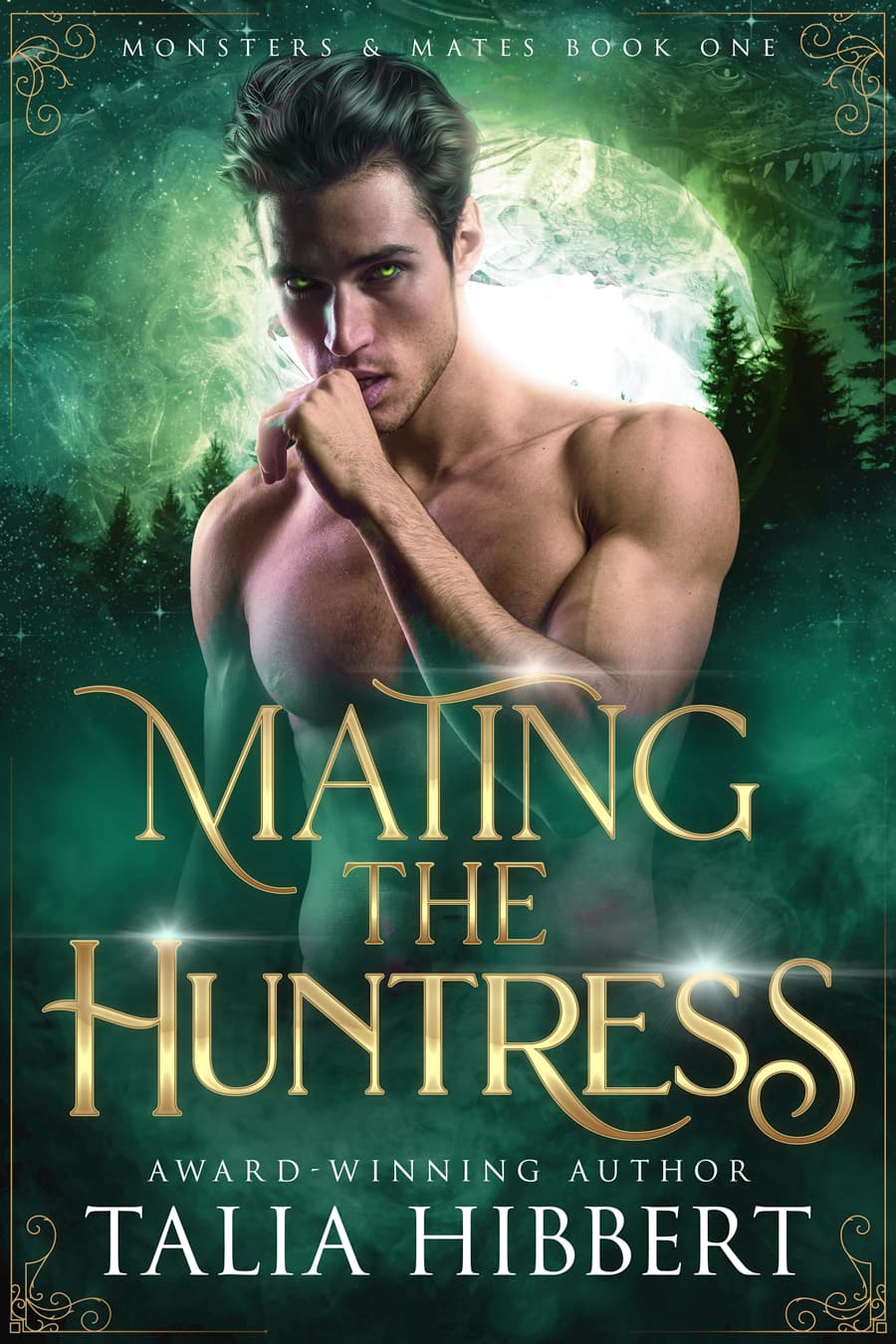
Hibbert's fiction is characterized by flawed, complicated female protagonists, devoted love interests, and crackling romantic chemistry. Her narratives routinely feature diverse characters with varying life experiences, exploring themes of neurodivergence, chronic pain, self-acceptance, and emotional recovery. Whether writing contemporary romantic comedies or paranormal stories such as Mating the Huntress, she pairs sharp, humorous dialogue with tender emotional beats that give weight to her characters' personal growth.
Major Works
- Take a Hint, Dani Brown — The second novel in her popular Brown Sisters romantic comedy trilogy, following a career-driven PhD student who enters a fake relationship with a gentle security guard after a video of them goes viral.
- Get a Life, Chloe Brown — Hibbert's traditional publishing debut, centering on a chronically ill woman who designs a list of adventurous tasks to broaden her horizons and recruits her building superintendent to help.
- Mating the Huntress — A paranormal romance novella in which a werewolf hunter finds herself unexpectedly bonded to her intended target, combining supernatural tension with witty dialogue.
- Skybriar — A contemporary romance novel from her Ravenswood series, focusing on small-town dynamics and complex emotional connections between resilient protagonists.
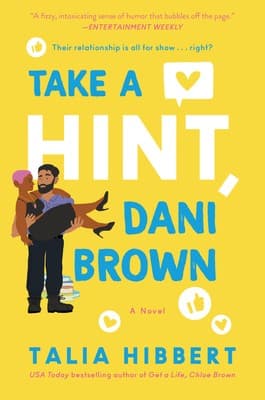
Take a Hint, Dani Brown