SH
§Author· 2 books
Susan Hill
Also known as Dame Susan Elizabeth Hill, Susan Elizabeth Hill
Atmospheric horror, psychological tension, and traditional ghost story techniques define one of British literature's most enduring supernatural novels, The Woman in Black (1983). English author Susan Hill created this iconic gothic story of Arthur Kipps and the haunting phantom of Eel Marsh House, which subsequently achieved widespread fame through long-running West End stage adaptations and feature films. Alongside her ghost fiction, Susan Hill has written across multiple literary forms including crime fiction, children's books, historical novels, and non-fiction memoirs over a career spanning more than five decades.
From early award-winning fiction to the acclaimed Simon Serrailler crime mystery series and haunting chillers such as The Mist in the Mirror (1992), Hill's extensive bibliography reflects a deep engagement with themes of isolation, grief, human morality, and the psychological impact of trauma. Her versatile literary contributions encompass tragic war fiction, delicate children's tales, personal memoirs, and editorial anthologies, establishing her as a major presence in contemporary British writing.
Career & Background
Susan Elizabeth Hill was born in Scarborough, England, on 5 February 1942. Her early years by the North Yorkshire coast inspired many setting details in her future writing. She was educated at Scarborough Convent School and later attended grammar school in Coventry when her family relocated. In 1960, she entered King's College, London, to read English, publishing her debut novel, The Enclosure, in 1961 during her first year of undergraduate study. She completed her degree at King's College, London, graduating in 1963, and was later elected a Fellow of the institution in 1978.
Between 1963 and 1968, Hill worked as a freelance journalist while continuing her creative work, publishing her third novel, Gentleman and Ladies, in 1968. Her literary recognition grew rapidly as she earned several major British literary honors: she won a Somerset Maugham Award for I'm the King of the Castle (1970), the Mail on Sunday/John Llewellyn Rhys Prize for her short story collection The Albatross (1971), and the Whitbread Novel Award for The Bird of Night (1972). In recognition of her distinguished output, she became a Fellow of the Royal Society of Literature in 1972.
Throughout the following decades, Hill expanded her creative activities across broadcast media and publishing. She served as the presenter of BBC Radio 4's 'Bookshelf' program from 1986 to 1987. In 1996, she founded her own independent publishing imprint, Long Barn Books, through which she edited and published the quarterly literary journal Books and Company starting in 1998. In her personal life, Hill married Shakespeare scholar Professor Stanley Wells, with whom she had children. After spending many years living in rural Oxfordshire during the 1970s, she moved back toward the sea to North Norfolk in 2013.
Writing Style & Themes
Hill's writing style is noted for its precise prose, evocative setting building, and keen psychological insight into human vulnerability. Her narratives frequently examine the emotional fallout of bereavement, social isolation, childhood cruelty, and the uncanny presence of past traumas. In works like Strange Meeting (1971), set during the First World War, and In the Springtime of the Year (1974), she explores grief and companionship with restrained emotional nuance. Her non-fiction works, such as The Magic Apple Tree: A Country Year (1982) detailing her life in Oxfordshire and Family (1989) exploring her early life in Scarborough, demonstrate her reflective personal perspective.
In her ghost fiction, including The Woman in Black (1983) and The Mist in the Mirror (1992), Hill draws skillfully on classical nineteenth-century Victorian ghost story conventions, utilizing fog, isolated manor houses, and persistent apparitions to generate dread. She extended her stylistic range into crime fiction through her popular Simon Serrailler mystery novels, as well as children's fiction such as The Glass Angels (1991), Beware, Beware (1993), King of Kings (1993), and The Battle for Gullywith (2008). Additionally, she edited two volumes of The Penguin Book of Modern Women's Short Stories in 1991 and 1997, and published short story collections such as Farthing House: And Other Stories (2006) and standalone fiction such as Mrs de Winter (1999) and Black Sheep (2013).
Major Works
- The Woman in Black — Published in 1983, this famous Victorian-style ghost story follows solicitor Arthur Kipps as he encounters a vengeful spectral presence at Eel Marsh House. It became one of Susan Hill's biggest commercial successes and was adapted into a long-running stage play and feature film.
- The Mist in the Mirror — Published in 1992, this gothic chilling novel follows traveler James Monmouth as he unravels dark secrets in search of a mysterious explorer, echoing classic Victorian ghost story traditions.
- I'm the King of the Castle — Published in 1970, this psychological novel explores childhood cruelty, power dynamics, and isolation in an English country estate, winning the Somerset Maugham Award.
- The Albatross — Published in 1971, this acclaimed collection of short fiction won the Mail on Sunday/John Llewellyn Rhys Prize for its sharp characterization and moody tone.
- The Bird of Night — Published in 1972, this novel concerning madness, artistic genius, and devotion earned the Whitbread Novel Award and was shortlisted for the Booker Prize.
- Strange Meeting — Published in 1971, this historical novel centers on the friendship and tragedy of two British officers serving in the trenches during the First World War.
- In the Springtime of the Year — Published in 1974, this empathetic narrative details a young widow's emotional struggle to process unexpected tragedy and loss.
- The Magic Apple Tree: A Country Year — Published in 1982, this autobiographical memoir records Hill's experiences, reflections, and domestic routine in rural Oxfordshire during the 1970s.
- Family — Published in 1989, this intimate non-fiction memoir reflects on Hill's early childhood years in Scarborough and her family history.
- Mrs de Winter — Published in 1999, this novel serves as an official sequel to Daphne du Maurier's classic gothic thriller Rebecca.
- The Service of Clouds — Published in 1998, this novel examines love, art, illness, and human connections across generations.
- Air and Angels — Published in 1991, this novel explores themes of obsession, romantic devotion, and academic life in university settings.
- Farthing House: And Other Stories — Published in 2006, this collection gathers atmospheric short fiction blending supernatural elements with subtle human observation.
- Black Sheep — Published in 2013, this standalone novel deals with community, religion, and social tension in a tight-knit English mining village.
§All Books
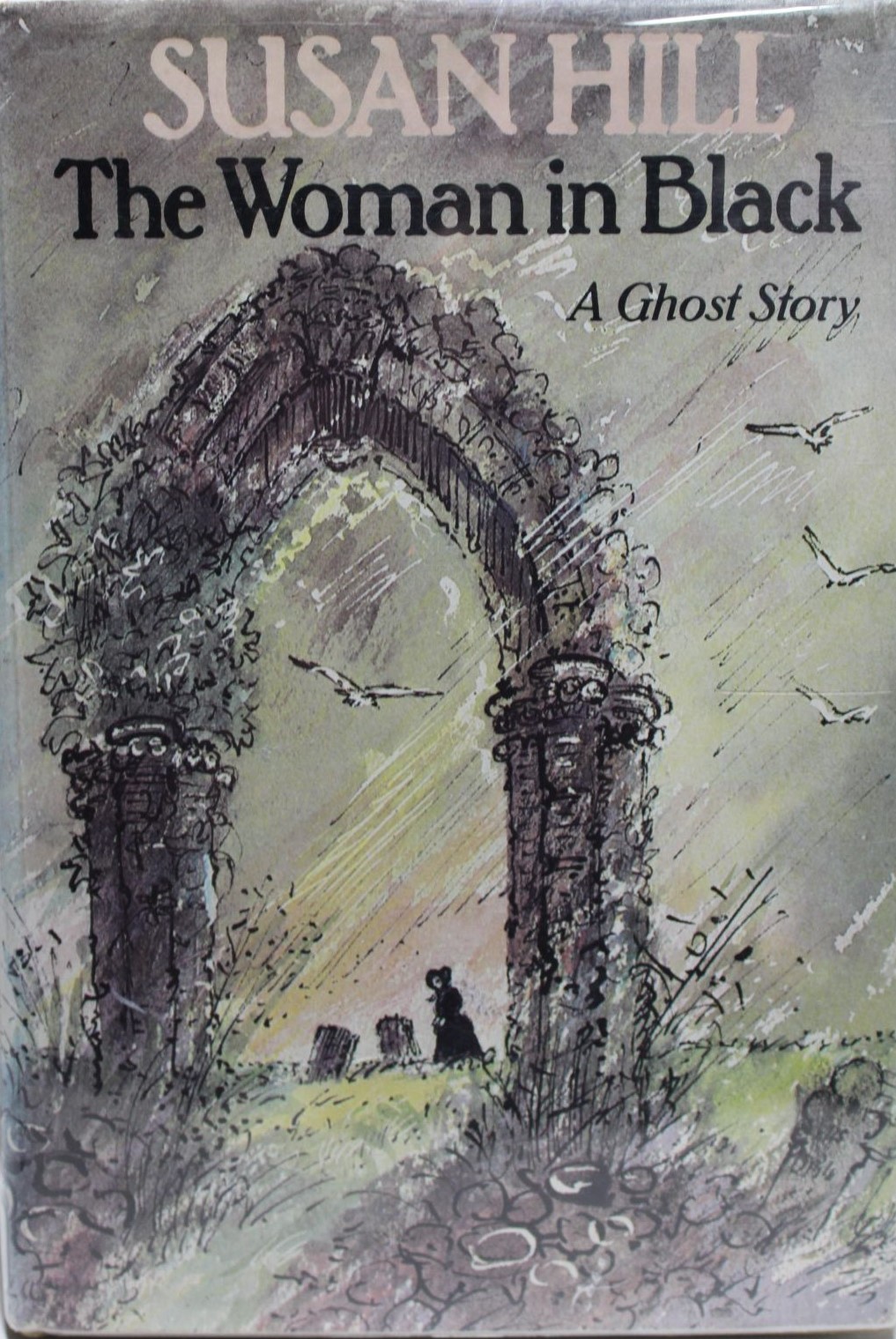
The Woman in Black
Susan Hill, 1983
140 ratings

The Mist in the Mirror
Susan Hill, 1992
12 ratings
§ About Susan Hill's books
- Books on SansFiction
- 2
- Published
- 1983–1992
- Average rating
- 3.6 / 5 across 152 ratings
- Genres
- Detective And Mystery Stories, Horror, Literature & Fiction, Mystery
Start here: The Woman in Black (1983)
First published in 1983, The Woman in Black is Susan Hill's best-loved novel, and the basis for the UK's second longest ever running stage play, and a major film starring Daniel Radcliffe. Arthur Kipps, a young lawyer, travels to a remote village to put the affairs of a recently deceased client, Alice Drablow in order.
Common questions about Susan Hill
- Who is Susan Hill?
- Susan Elizabeth Hill was born in Scarborough, England, on 5 February 1942. Her early years by the North Yorkshire coast inspired many setting details in her future writing. She was educated at Scarborough Convent School and later attended grammar school in Coventry when her family relocated.
- What is Susan Hill best known for?
- Susan Hill is best known for The Woman in Black, published in 1983 with 140 ratings and a 3.6 average. It is the most-rated of Susan Hill's books on SansFiction.
- How many books has Susan Hill written?
- SansFiction lists 2 books by Susan Hill, published between 1983 and 1992. The most popular are The Woman in Black and The Mist in the Mirror.
- Which Susan Hill book should I read first?
- The Woman in Black is the usual place to start: it is Susan Hill's most-rated book here, with a 3.6 average.
- What genres does Susan Hill write?
- Susan Hill's books on SansFiction are tagged Detective And Mystery Stories, Horror, Literature & Fiction and Mystery.
Explore: Detective And Mystery Stories · Horror · Literature & Fiction · Mystery