
§Author· 1 book
Stephen Chbosky
The epistolary coming-of-age novel The Perks of Being a Wallflower established a lasting benchmark in young adult literature by exploring trauma, adolescent friendship, and personal growth through intimate letters. Stephen Chbosky created a resonant work with this 1999 debut, capturing the raw emotional landscape of high school through his introspective protagonist Charlie.
Career & Background
Born on January 25, 1970, in Pittsburgh, Pennsylvania, Stephen Chbosky developed an early interest in narrative storytelling and pursued formal training at the University of Southern California's Filmic Writing Program, graduating with a Bachelor of Fine Arts degree. His creative career initially took off in cinema when his independent feature film The Four Corners of Nowhere premiered at the Sundance Film Festival in 1995. Following this film debut, Chbosky wrote his acclaimed debut novel, The Perks of Being a Wallflower, which was published in 1999.
Chbosky spent subsequent years building an extensive career across screenwriting, television production, and directing. He wrote the screenplay for the film adaptation of the musical Rent and co-created the post-apocalyptic television series Jericho. Returning to his debut novel, Chbosky wrote and directed the feature film adaptation of The Perks of Being a Wallflower in 2012. He continued directing feature films, including the drama Wonder in 2017, the live-action adaptation of Beauty and the Beast, and the 2021 film adaptation of the musical Dear Evan Hansen. In October 2019, Chbosky returned to prose fiction with Imaginary Friend, a psychological horror novel.
Writing Style & Themes
Central to Chbosky's writing is an emphasis on empathy, identity, and emotional vulnerability during formative life transitions. In his young adult fiction, he employs epistolary frameworks and first-person perspectives that grant direct access to sensitive, introspective characters navigating grief, mental health, and belonging. His transition into psychological horror with Imaginary Friend expanded these thematic interests into supernatural territory, exploring childhood trauma, good versus evil, and protective familial bonds. Across film and literature, Chbosky consistently emphasizes character-driven storytelling and compassionate characterization.
Major Works
- The Perks of Being a Wallflower — Published in 1999, this epistolary novel follows Charlie, a thoughtful and introverted high school freshman, through a series of letters written to an anonymous recipient. The book candidly addresses adolescence, mental health, and friendship, and was later adapted into a 2012 film written and directed by Chbosky.
- Imaginary Friend — Published in October 2019, this psychological horror novel centers on a young boy who vanishes into the woods for six days and returns with an entity in his head ordering him to build a treehouse to save his mother and community.
- Pieces — An edited short story anthology that demonstrated Chbosky's early work curating prose fiction.
§All Books
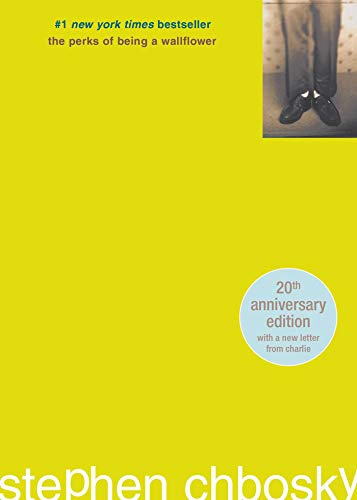
The Perks of Being a Wallflower
Stephen Chbosky, 1999
1,567 ratings
§ About Stephen Chbosky's books
- Books on SansFiction
- 1
- Published
- 1999
- Average rating
- 4.1 / 5 across 1,567 ratings
- Genres
- Bildungsromans, Classics, Contemporary, Fiction
The book: The Perks of Being a Wallflower (1999)
Standing on the fringes of life... offers a unique perspective. But there comes a time to see what it looks like from the dance floor. This haunting novel about the dilemma of passivity vs.
Common questions about Stephen Chbosky
- Who is Stephen Chbosky?
- Born on January 25, 1970, in Pittsburgh, Pennsylvania, Stephen Chbosky developed an early interest in narrative storytelling and pursued formal training at the University of Southern California's Filmic Writing Program, graduating with a Bachelor of Fine Arts degree.
- What is Stephen Chbosky best known for?
- Stephen Chbosky is best known for The Perks of Being a Wallflower, published in 1999 with 1,567 ratings and a 4.1 average. It is the most-rated of Stephen Chbosky's books on SansFiction.
- What genres does Stephen Chbosky write?
- Stephen Chbosky's books on SansFiction are tagged Bildungsromans, Classics, Contemporary and Fiction.
Explore: Bildungsromans · Classics · Contemporary · Fiction