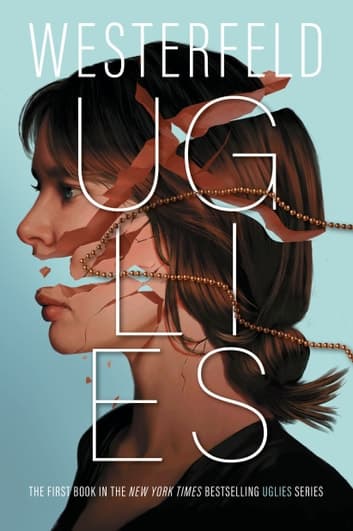
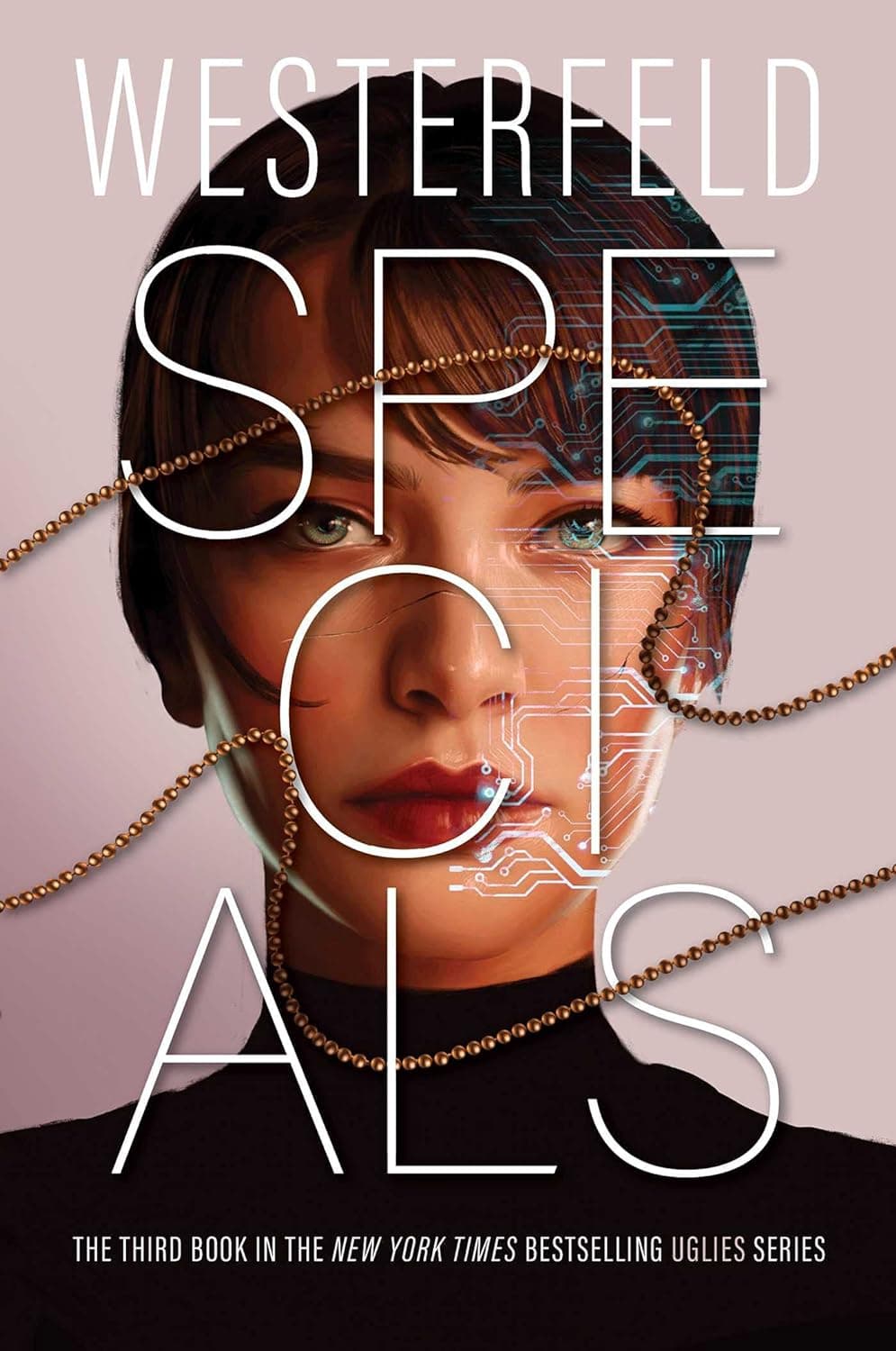
Scott Westerfeld
Also known as Scott David Westerfeld
Dystopian vision and speculative invention define a major body of young adult literature centered on societal conformity, technological transformation, and alternative history. Scott Westerfeld made an indelible mark on speculative fiction with the Uglies series, exploring a future world where mandatory cosmetic surgery turns sixteen-year-olds into socially engineered 'Pretties.' His vast bibliography spans young adult and adult science fiction, ranging from biological steampunk reimaginings of historical conflicts to contemporary urban fantasies set against the backdrop of modern culture.
Through deeply imagined worlds where time halts or living airships battle diesel-driven war machines, Westerfeld engages readers with themes of identity, agency, and institutional authority. His celebrated titles, including Uglies and its third installment Specials, continue to influence speculative fiction across print, audiobooks, and screen adaptations.
Career & Background
Scott David Westerfeld was born on May 5, 1963, in Dallas, Texas. Because his father worked as a computer programmer for UNIVAC during the Apollo space missions, Boeing aviation projects, and defense submarine developments, the family moved frequently across Texas, California, and Connecticut. Westerfeld attended Vassar College, where he earned a Bachelor of Arts in Philosophy in 1985. Before becoming a full-time author, he worked a wide variety of jobs, including making lead soldiers as a factory worker, teaching as a substitute instructor, editing textbooks, and working as a software designer. In his early creative years in New York City, he composed original music for downtown dance performances and wrote ghostwritten fiction, including three Powerpuff Girls choose-your-own-adventure books.
Westerfeld published his initial adult science fiction novels before transitioning into young adult literature, ultimately producing roughly forty novels. In 2001, he married Australian author Justine Larbalestier, and the couple splits their time between New York City and Sydney, Australia. Alongside his fiction, Westerfeld has contributed essay and nonfiction work to publications such as Nerve, BookForum, and the scientific journal Nature. His writing has earned notable industry recognition, including the Philip K. Dick Special Citation, the Aurealis Award, and the Victorian Premier's Literary Award, as well as selection as New York Times Notable Books and YALSA/BBYA Top Ten Best Books for Young Adults.
Writing Style & Themes
Westerfeld's narrative approach blends high-concept speculative premises with rigorous worldbuilding and critical social commentary. A central thematic focus in his young adult fiction is the pressure of social conformity and the ethical implications of technological modifications imposed upon adolescent bodies and minds. In his alternate history and urban fantasy projects, he frequently explores complex mechanical systems, biological engineering, and secret subcultures operating parallel to ordinary life.
Collaborative craftsmanship and genre-crossing experimentation also characterize his work. He collaborated with authors Margo Lanagan and Deborah Biancotti to construct shared-universe superhero narratives in the Zeroes trilogy, and worked with artist Keith Thompson to integrate detailed visual illustrations directly into his steampunk prose in the Leviathan series. Westerfeld's storytelling balances fast-paced adventure and inventive world design with thoughtful questions about freedom, surveillance, and youth autonomy.
Major Works
- Uglies — The opening novel of the Uglies series introduces a futuristic society where every sixteen-year-old undergoes mandatory plastic surgery to become a 'Pretty,' exposing the extreme psychological and political costs of enforced uniformity.
- Specials — The third novel in the Uglies series follows protagonist Tally Youngblood after she is transformed into a technologically augmented, ruthless agent enforcing state control, raising stakes around loyalty and resistance.
- Leviathan — Illustrated by Keith Thompson, this steampunk alternate history trilogy reimaginings World War I as a global conflict between the Clanker powers using mechanized walking machines and the Darwinist nations deploying genetically engineered living airships.
- Midnighters — A dark fantasy trilogy centered on five teenagers in Oklahoma who discover a secret twenty-fifth hour frozen in time every midnight, during which monstrous creatures hunt human prey.
- Zeroes — Co-authored with Margo Lanagan and Deborah Biancotti, this trilogy portrays six California teenagers with unusual, highly specific crowd-based abilities dealing with crime and suburban chaos.
- Contemporary Standalones — Westerfeld's contemporary New York novels include So Yesterday, Peeps, The Last Days, and Afterworlds, blending satirical takes on youth culture, subterranean parasite epidemics, and the publishing industry.