Sayaka Murata
Also known as 村田撙耶香, Murata Sayaka
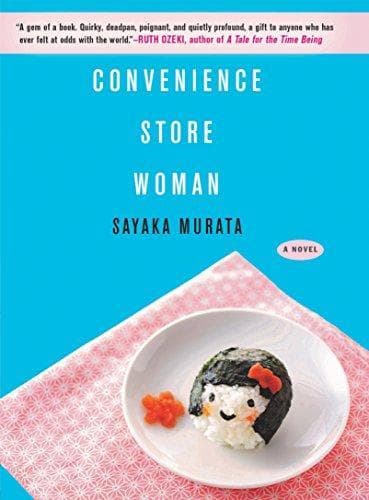
A quiet examination of societal nonconformity and the surreal expectations of modern life defines contemporary Japanese fiction, where the novel Convenience Store Woman (Konbini Ningen) became an international bestseller translated into more than thirty languages. Written by Sayaka Murata (村田 撙耶香), the book draws directly on the author's real-world experience working part-time at a convenience store while building a distinctive literary career.
Career & Background
Born on August 14, 1979, in Inzai, Chiba Prefecture, Japan, Sayaka Murata made her literary debut in 2003 with Junyu (Breastfeeding), which won the Gunzo Prize for New Writers. She continued writing while working part-time in a convenience store, earning steady acclaim across Japan. In 2009, she won the Noma Prize for New Writers for Gin iro no uta (Silver Song), followed in 2013 by the Mishima Yukio Prize for Shiro-oro no machi no, sono hone no taion no (Of Bones, of Body Heat, of Whitening City). Her major breakthrough came in 2016 when Convenience Store Woman won the 2016 Akutagawa Award, Japan's most prestigious literary prize.
Murata's short fiction also reached international audiences prior to her full-length novel translations. Her story 'Lover on the Breeze' appeared in Ruptured Fiction(s) of the Earthquake (Waseda Bungaku) in 2011, and 'A Clean Marriage' was featured in Granta 127: Japan in 2014. Literary translator Ginny Tapley Takemori has rendered all of Murata's English editions, including the novels Earthlings and Vanishing World as well as the story collection Life Ceremony. Recognized broadly for her original perspective, Murata has been named a Freeman's 'Future of New Writing' author and a Vogue Japan Woman of the Year.
Writing Style & Themes
Murata's narrative style combines deadpan humor, social satire, and psychological surrealism to critique traditional expectations regarding gender roles, family structure, labor, and social conformity. Her characters frequently exist outside societal norms surrounding marriage and career paths, revealing the underlying pressures of modern conformity. By contrasting ordinary settings with taboo or uncanny premises—such as recycling human remains or redefining interpersonal relationships—her work challenges readers to question what society deems acceptable.
Major Works
- Convenience Store Woman — Winner of the 2016 Akutagawa Award, this novel centers on a thirty-six-year-old woman who finds fulfillment and structure in her job as a convenience store worker despite familial and social pressure to conform.
- Earthlings — Translated into English by Ginny Tapley Takemori, this dark novel examines childhood trauma, alienation, and resistance to societal conditioning through a protagonist who identifies as an alien.
- Life Ceremony — A collection of speculative short stories translated by Ginny Tapley Takemori that blends horror and humor to investigate body autonomy, social rituals, and human taboos.
- Junyu (Breastfeeding) — Murata's 2003 debut work, which received the Gunzo Prize for New Writers and introduced her focus on human bodily experience and social friction.
- Gin iro no uta (Silver Song) — A 2009 novel that earned Murata the Noma Prize for New Writers, establishing her early literary presence in Japan.
- Shiro-oro no machi no, sono hone no taion no (Of Bones, of Body Heat, of Whitening City) — The 2013 winner of the Mishima Yukio Prize, exploring themes of physical sensitivity, identity, and modern urban existence.