RG
§Author· 3 books
Roxane Gay
Cultural criticism and personal memoir intersect sharply in contemporary essay collections that examine power, gender, race, and pop culture. Roxane Gay established a distinct voice in modern prose with her essay collection Bad Feminist, which offers a nuanced examination of embracing feminist ideals while engaging with flawed media and culture.
Through her widely read collections, novels, and editorial projects, Gay brings an unsparing yet accessible analytical lens to systemic inequality and personal vulnerability. Her work spans multiple genres, ranging from deeply personal non-fiction like Hunger: A Memoir of (My) Body to comic books and edited anthologies.
Career & Background
Roxane Gay was born on October 15, 1974, and built an extensive career as a writer, editor, professor, and social commentator. She has served as the Gloria Steinem Endowed Chair in Media, Culture and Feminist Studies at Rutgers University, after previously holding academic appointments as an associate professor of English at Purdue University. Beyond academia, her shorter writings have been widely featured across diverse literary journals and national periodicals, including Harper's Bazaar, A Public Space, McSweeney's, Tin House, Oxford American, American Short Fiction, Virginia Quarterly Review, NOON, Time, The Nation, The Rumpus, Salon, and The Guardian.
Gay's shorter fiction and non-fiction earned early prominence through inclusion in major literary anthologies, including Best American Mystery Stories 2014, Best American Short Stories 2012, and Best Sex Writing 2012. As a contributing opinion writer for The New York Times, she has authored commentary on modern culture and society, alongside writing the "Work Friend" advice column. She has also served as co-editor of the literary magazine PANK, written the comic book series World of Wakanda for Marvel, and curated influential collections such as The Portable Feminist Reader.
Writing Style & Themes
Gay's prose is characterized by directness, clarity, and an uncompromising exploration of complex cultural themes. Her non-fiction frequently addresses body image, trauma, intersectionality, labor, and media consumption, balancing rigorous social commentary with personal candor. By examining her own relationship to media and social structures, she crafts critiques that invite readers to evaluate cultural norms without demanding ideological perfection.
In her work across fiction and non-fiction, narrative tension often centers on power dynamics, trauma recovery, and female agency. Her short stories and novels employ sharp observational detail and emotional precision to portray characters navigating intense personal and structural hardship. Whether examining Black feminism, disability, ecofeminism, or pop culture, her writing remains dedicated to expanding the scope of feminist discourse through multicultural and multifaceted perspectives.
Major Works
- Bad Feminist — Published as a New York Times bestselling collection of essays in 2014, this work explores the contradictions and complexities of living as a modern feminist while enjoying pop culture that does not always align with feminist ideals.
- Hunger: A Memoir of (My) Body — A deeply candid New York Times bestselling memoir published in 2017 that examines body image, weight, trauma, violence, and the physical reality of navigating space as a larger woman.
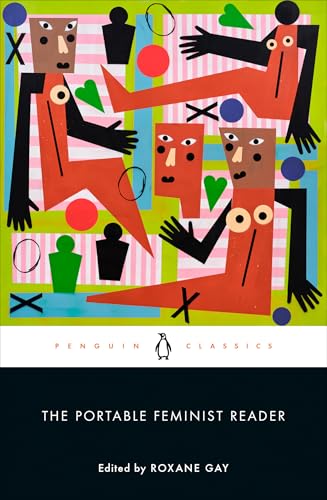
- The Portable Feminist Reader — An expansive reader presenting multicultural perspectives, Black feminism, disability, labor, and ecofeminism through historical, recent, and foundational feminist writings.
- An Untamed State — A 2014 novel centered on a Haitian woman kidnapped for ransom in Port-au-Prince, detailing trauma, survival, privilege, and resilience.
- Difficult Women — A nationally bestselling 2017 short story collection focusing on the complex lives, struggles, and relationships of diverse women across varied socio-economic backgrounds.
- Ayiti — Gay's debut book, originally published in 2011 and re-released in 2018, combining short stories, prose poems, and essays centered on the Haitian diaspora experience.
- World of Wakanda — A Marvel comic book series co-authored by Gay, expanding the Black Panther universe by focusing on female warriors Aneka and Ayo.
§All Books

Bad Feminist
Roxane Gay, 2014
179 ratings

Hunger: A Memoir of (My) Body
Roxane Gay, 2017
172 ratings
The Portable Feminist Reader
Roxane Gay, 2025
1 ratings
§ About Roxane Gay's books
- Books on SansFiction
- 3
- Published
- 2014–2025
- Average rating
- 4.1 / 5 across 352 ratings
- Genres
- Lgbtq, African Americans In Mass Media, Philosophy, Women
Start here: Bad Feminist (2014)
Pink is my favorite color. I used to say my favorite color was black to be cool, but it is pink—all shades of pink. If I have an accessory, it is probably pink. I read Vogue, and I’m not doing it ironically, though it might seem that way. I once live-tweeted the September issue.
Common questions about Roxane Gay
- Who is Roxane Gay?
- Roxane Gay was born on October 15, 1974, and built an extensive career as a writer, editor, professor, and social commentator. She has served as the Gloria Steinem Endowed Chair in Media, Culture and Feminist Studies at Rutgers University, after previously holding academic appointments as an associate professor of English at Purdue University.
- What is Roxane Gay best known for?
- Roxane Gay is best known for Bad Feminist, published in 2014 with 179 ratings and a 3.9 average. It is the most-rated of Roxane Gay's books on SansFiction.
- How many books has Roxane Gay written?
- SansFiction lists 3 books by Roxane Gay, published between 2014 and 2025. The most popular are Bad Feminist, Hunger: A Memoir of (My) Body and The Portable Feminist Reader.
- Which Roxane Gay book should I read first?
- Bad Feminist is the usual place to start: it is Roxane Gay's most-rated book here, with a 3.9 average.
- What genres does Roxane Gay write?
- Roxane Gay's books on SansFiction are tagged Lgbtq, African Americans In Mass Media, Philosophy and Women.
Explore: Lgbtq · African Americans In Mass Media · Philosophy · Women