Robert Harris
Also known as Robert Dennis Harris
Historical fiction and political thrillers centered on power, intelligence, and institutional secrets form the foundation of a widely read body of work. Robert Harris established his fiction career with the 1992 alternate-history thriller Fatherland, setting a benchmark for detailed historical research combined with narrative suspense.
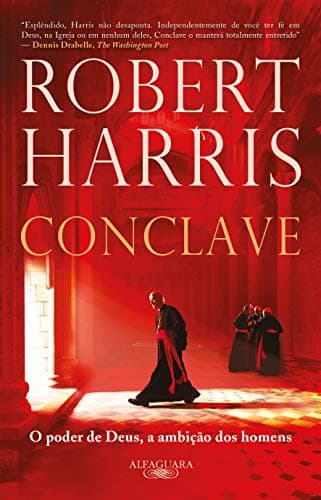
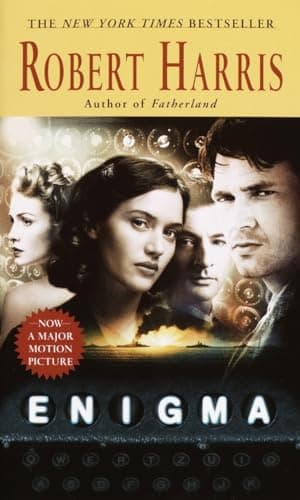
His novels span ancient Rome, World War II intelligence battles, modern political intrigue, and speculative scenarios. Key works such as Enigma and Conclave highlight his focus on high-stakes decision-making behind closed doors.
Career & Background
Born on March 7, 1957, in Nottingham, England, Robert Dennis Harris grew up in a council house and later graduated from the University of Cambridge. He began his career in journalism, working as a television reporter on the BBC programs Newsnight and Panorama. He subsequently served as political editor of The Observer and wrote columns for The Sunday Times and The Daily Telegraph, alongside authoring five non-fiction books.
While working on a proposed biography of author John le Carré that was ultimately abandoned, Harris decided to write his first novel, Fatherland. Its publication in 1992 launched a fiction career that includes sixteen bestselling novels, such as Archangel, Pompeii, The Ghost, The Fear Index, Munich, The Second Sleep, V2, Act of Oblivion, and Precipice. His books have sold over fifteen million copies, been translated into forty languages, and yielded nine cinema and television adaptations. His novel An Officer and a Spy won four awards, including the Walter Scott Prize for Historical Fiction. Harris lives in West Berkshire with his wife, Gill Hornby.
Writing Style & Themes
Harris's writing style blends rigorous historical research with the pacing of modern political thrillers. His work frequently examines state secrecy, espionage, electoral intrigue, and moral compromise during periods of extreme crisis. Whether portraying ancient statesmen or twentieth-century codebreakers, his narratives emphasize the internal procedures, human frailties, and hidden power struggles that shape major historical events.
Major Works
- Enigma — Published in 1995, this World War II thriller focuses on cryptanalysts at Bletchley Park working to break German military ciphers while dealing with suspicion and wartime secrecy.
- Conclave — Set inside the Vatican during the selection of a new Pope, this novel explores power plays, personal secrets, and institutional rivalry during a high-stakes papal election.
- Fatherland — Harris's 1992 debut alternate-history thriller takes place in a 1960s Europe where Nazi Germany won World War II, following a detective investigating a political conspiracy.
- The Cicero Trilogy — Consisting of Imperium, Lustrum, and Dictator, this epic historical series chronicles the political life of Marcus Tullius Cicero and the final decades of the Roman Republic.
- An Officer and a Spy — A detailed historical novel recounting the Dreyfus Affair in late nineteenth-century France, which won four awards including the Walter Scott Prize for Historical Fiction.