Rachel Cusk
Contemplative autofiction and candid memoirs examining gender, domesticity, and social structures have reshaped contemporary prose writing. Canadian-British author Rachel Cusk gained international renown for her innovative narrative forms, particularly her acclaimed novel Outline and her groundbreaking memoir A Life's Work.
Career & Background
Born on February 8, 1967, in Saskatoon, Saskatchewan, Cusk spent her early childhood in Los Angeles before moving with her family to the United Kingdom. She published her debut novel, Saving Agnes, in 1993 and followed it with fiction such as The Country Life (1997) and In the Fold (2005), which was longlisted for the Booker Prize. In 2001, Cusk shifted toward non-fiction with A Life's Work: On Becoming A Mother, an unfiltered examination of early motherhood that sparked widespread literary discussion. She continued her autobiographical projects with Aftermath: On Marriage and Separation in 2012. Her widely praised Outline trilogy—comprising Outline (2014), Transit (2016), and Kudos (2018)—established a distinct narrative technique built around conversations recounted by an observant narrator. Her later works include the novel Second Place, which won the Prix Femina étranger, and Parade, which was awarded the 2024 Goldsmiths Prize. A Guggenheim Fellow and recipient of the 2024 Malaparte Prize, Cusk has been named Chevalier de l'Ordre des Arts et des Lettres and currently resides in Paris.
Writing Style & Themes
Cusk's writing is characterized by precise, uncompromising prose that frequently dismantles conventional plot structures. Her memoirs and autobiographical fiction explore the existential, social, and intellectual pressures surrounding motherhood, marriage, and personal autonomy. In her Outline trilogy, she relies on monologues and dialogues reported by a largely passive narrator, allowing the voices of surrounding figures to map the protagonist's internal state. Throughout her fiction and non-fiction, Cusk continually interrogates how individuals navigate isolation and attempt to construct meaning within modern social framework.
Major Works
- Outline — Published in 2014, this novel serves as the first volume of a trilogy that follows a female writer in Athens listening to the stories and revelations of various acquaintances.
- A Life's Work — Published in 2001, this honest memoir candidly explores the psychological, physical, and social realities of early motherhood.
- Aftermath — This 2012 memoir investigates the personal and social repercussions of divorce and marital dissolution.
- Second Place — This novel explores human relationships, art, and identity, earning the Prix Femina étranger.
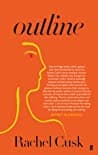
Outline
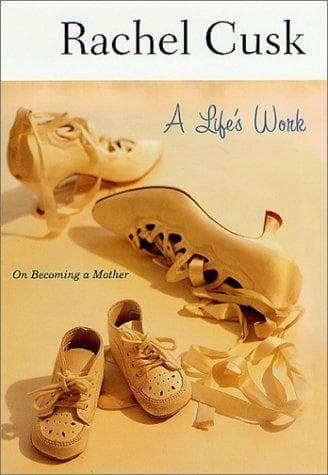
A Life's Work