Peter Thiel
Also known as Peter Andreas Thiel, Peter A. Thiel
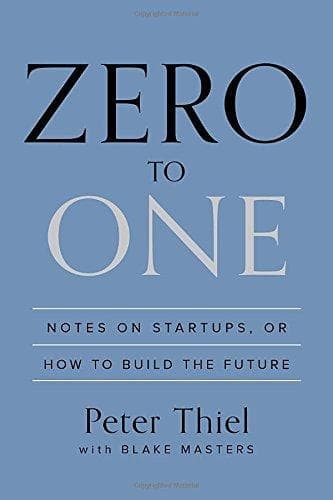
Business literature on technology and venture capital offers actionable frameworks for innovation, emphasizing how singular ideas create new value rather than merely copying existing models. Peter Thiel expanded these concepts into the startup guide Zero to One: Notes on Startups, or How to Build the Future, drawing upon his experience as a Silicon Valley investor and entrepreneur.
Career & Background
Born in Frankfurt am Main, West Germany, in 1967, Peter Thiel moved to the United States as a child and earned a Bachelor of Arts in philosophy from Stanford University in 1989, where he founded the student publication The Stanford Review. He subsequently earned a Juris Doctor from Stanford Law School, working briefly as a securities lawyer at Sullivan & Cromwell, a derivatives trader at Credit Suisse Financial Products, and a speechwriter for former U.S. Education Secretary William J. Bennett. Turning his focus to financial technology and venture investing, he co-founded PayPal in 1998 and served as its chief executive officer. In 2003, he co-founded the big-data software company Palantir Technologies, and in 2004, he became the first outside investor in Facebook. He later established the venture capital firm Founders Fund in 2005 and created the Thiel Foundation to support young entrepreneurs.
Writing Style & Themes
Thiel writes with a crisp, analytical, and contrarian style that reflects his background in philosophy and law. His nonfiction works challenge conventional wisdom regarding corporate competition, higher education, and economic progress, arguing that true progress stems from vertical innovation—creating entirely new technologies—rather than horizontal globalization. Across his writing, he examines the dynamics of monopolies, the necessity of independent thinking, and the cultural shifts surrounding higher education, encouraging readers to question popular consensus and evaluate long-term market strategy.
Major Works
- Zero to One: Notes on Startups, or How to Build the Future — This foundational business guide presents Thiel's investment philosophy, arguing that breakthrough companies must focus on building unique products from zero to one rather than incrementally scaling existing ideas.
- The Diversity Myth: Multiculturalism and Political Intolerance on Campus — Co-authored with David O. Sacks, this critique examines higher education trends and ideological debates on university campuses, drawing from the authors' experiences founding and editing The Stanford Review.