
§Author· 1 book
Peter Attia
Also known as Peter Attia, MD, Dr. Peter Attia
Groundbreaking non-fiction literature on longevity and proactive healthcare received a major foundational text with the publication of the #1 New York Times bestseller Outlive: The Science and Art of Longevity. Written by Canadian-American physician and longevity researcher Dr. Peter Attia, the work challenges conventional reactive healthcare models by presenting a scientific framework aimed at extending both human lifespan and healthspan.
Career & Background
Born in Toronto, Ontario, Canada, to Egyptian Christian immigrant parents, Peter Attia earned a Bachelor of Science degree from Queen's University before pursuing his medical education. He received his Doctor of Medicine degree from the Stanford University School of Medicine and subsequently completed five years of general surgery residency training at the Johns Hopkins Hospital. Attia later pivoted from traditional clinical surgery toward the emerging field of longevity medicine.
In 2010, Attia began sharing his medical research through weekly communications, which led to the creation of his blog EatingAcademy.com in 2011. He subsequently founded Early Medical, a medical practice centered on proactive health strategy, and launched The Peter Attia Drive, a popular podcast covering topics in medicine, healthspan, and disease prevention.
Writing Style & Themes
Attia's work focuses heavily on what he terms Medicine 3.0, a model that shifts focus from traditional reactive medical treatment toward individualized, preventive care designed to forestall chronic disease before it begins. His writing contrasts numerical lifespan with healthspan, emphasizing that extending life is only meaningful if physical, cognitive, and emotional quality of life are preserved.
A central theme in his work is targeted intervention against the 'marginal decade'—the final years of life often plagued by sickness, physical decline, and immobility. Attia addresses health through actionable components including exercise, nutrition, metabolic health, and relational health, encouraging individuals to approach physical preparation for late life with the dedication of an athletic endeavor.
Major Works
- Outlive: The Science and Art of Longevity — A #1 New York Times bestselling book exploring the applied science of longevity. The work details strategies for extending both lifespan and healthspan through proactive interventions in metabolic health, exercise, nutrition, and emotional well-being to prevent chronic disease and maintain high functional quality of life.
§All Books
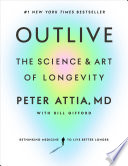
Outlive: The Science and Art of Longevity
Peter Attia, 2023
158 ratings
§ About Peter Attia's books
- Books on SansFiction
- 1
- Published
- 2023
- Average rating
- 4.2 / 5 across 158 ratings
- Genres
- Health & Wellness, Medical, Nonfiction
The book: Outlive: The Science and Art of Longevity (2023)
#1 NEW YORK TIMES BESTSELLER • A groundbreaking manifesto on living better and longer that challenges the conventional medical thinking on aging and reveals a new approach to preventing chronic disease and extending long-term health, from a visionary physician and leading longevity expert “One of the most important books you’ll ever read.”—Steven D.
Common questions about Peter Attia
- Who is Peter Attia?
- Born in Toronto, Ontario, Canada, to Egyptian Christian immigrant parents, Peter Attia earned a Bachelor of Science degree from Queen's University before pursuing his medical education. He received his Doctor of Medicine degree from the Stanford University School of Medicine and subsequently completed five years of general surgery residency training at the Johns Hopkins Hospital.
- What is Peter Attia best known for?
- Peter Attia is best known for Outlive: The Science and Art of Longevity, published in 2023 with 158 ratings and a 4.2 average. It is the most-rated of Peter Attia's books on SansFiction.
- What genres does Peter Attia write?
- Peter Attia's books on SansFiction are tagged Health & Wellness, Medical and Nonfiction.
Explore: Health & Wellness · Medical · Nonfiction