Paulo Coelho
Also known as Paulo Coelho de Souza
Philosophical fiction and fable-like narrative prose came to define a major strand of global contemporary literature through the massive readership of The Alchemist. Written by Brazilian lyricist and novelist Paulo Coelho de Souza, this 1988 novel became an international best-seller, telling the story of an Andalusian shepherd boy embarking on a quest across North Africa in search of a hidden treasure while discovering spiritual wisdom.
Career & Background
Born on August 24, 1947, in Rio de Janeiro, Brazil, Paulo Coelho spent his youth navigating intense personal conflict over his creative ambitions, leading his parents to commit him to a psychiatric hospital three times during his adolescence. He briefly enrolled in law school before dropping out in 1970 to travel extensively across South America and Europe. Returning to Brazil, he established himself as a theater director, actor, journalist, and lyricist composing songs for well-known Brazilian musicians. In 1974, his political involvement and artistic work led to a brief imprisonment under Brazil's military regime.
Coelho turned decisively toward literary writing following a 1986 journey along the Road to Santiago in Spain, an experience that inspired his early book The Pilgrimage. After The Alchemist achieved global success following its 1988 publication, he dedicated himself to fiction and built an extensive body of translated work. In 2002, he was elected to the Brazilian Academy of Letters, occupying Chair No. 21. His public work also includes global advocacy as a United Nations Messenger of Peace and a UNESCO Special Counselor for Intercultural Dialogues.
Writing Style & Themes
Coelho's writing style relies on parabolic storytelling, accessible narrative structures, and central themes of personal transformation, spiritual seeking, and moral choice. Drawing heavily on allegory and fable, his books usually feature protagonists embarking on physical and internal quests that test their faith and self-knowledge. His narratives frequently examine the balance between individual free will and fate, integrating elements of mysticism, folklore, and drama to address fundamental questions of human identity and purpose.
Major Works
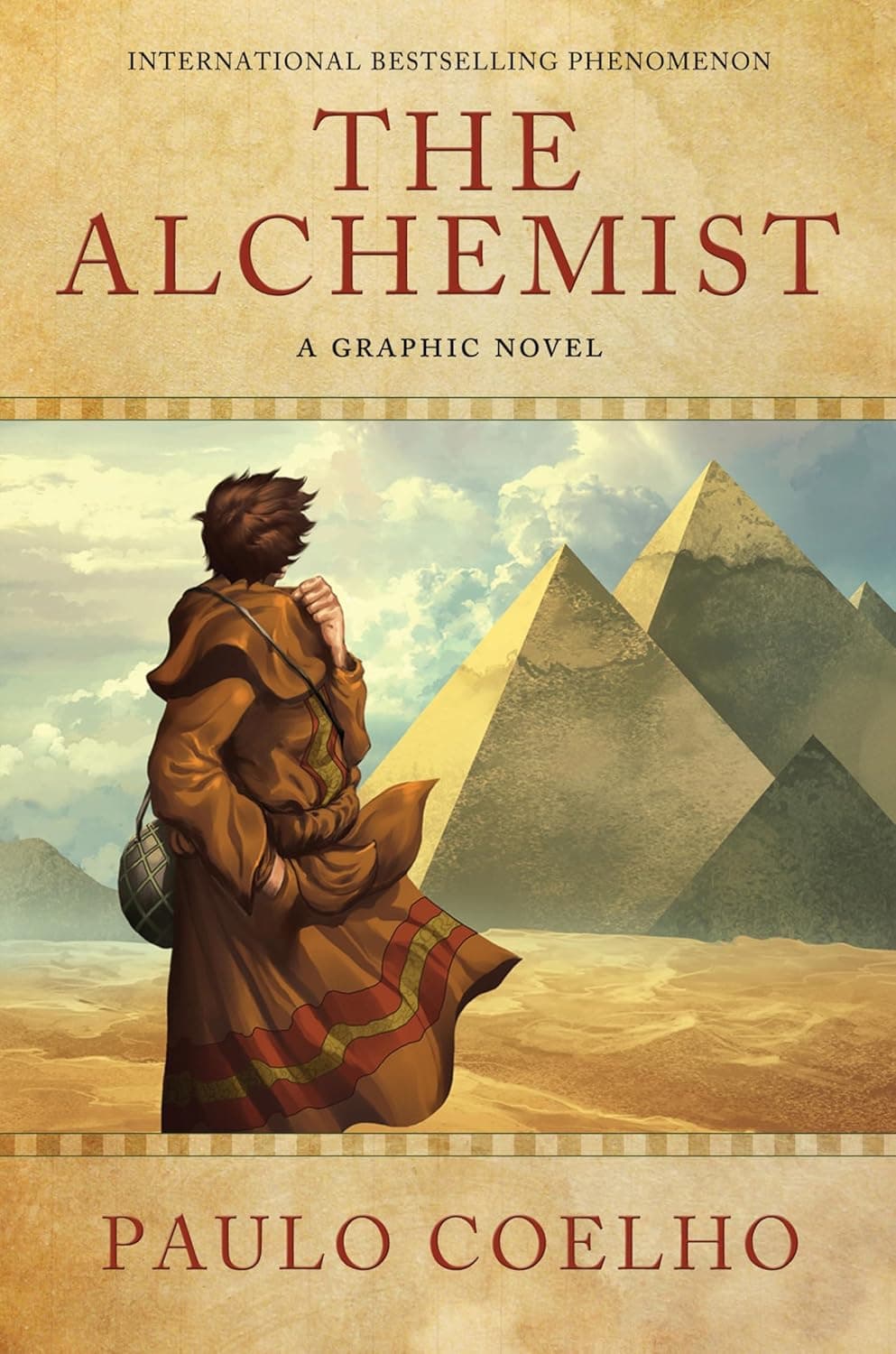
- The Alchemist: A Graphic Novel — An illustrated adaptation of Coelho's 1988 international best-seller following Santiago, an Andalusian shepherd who journeys to the Egyptian pyramids after dreaming of a hidden treasure.
- Veronika Decides to Die — A novel centering on a young woman in a Slovenian mental institution who reevaluates her desire to live after learning that her suicide attempt left her with only days to live, drawing on Coelho's own youthful stays in psychiatric care.
- The Devil and Miss Prym — A moral allegory examining the conflict between good and evil when a stranger offers a small, isolated village a fortune in gold in exchange for a single act of murder.
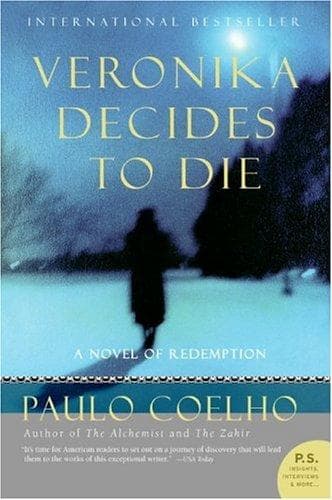
Veronika Decides to Die
The Devil and Miss Prym