Paula Hawkins
Also known as Amy Silver
The publication of The Girl on the Train in 2015 brought psychological thrillers centered on unreliable narration and domestic tension into widespread popular focus. Written by Paula Hawkins, the novel explores dark themes of alcoholism, memory loss, and domestic violence through a multi-perspective mystery framed around a daily train commute. Readers of psychological suspense classic Strangers on a Train found a modern counterpart in this story of suburban observation turned obsessive investigation.
Career & Background
Born on August 26, 1972, in Salisbury, Rhodesia (now Zimbabwe), Hawkins grew up in Zimbabwe before moving to London in 1989. She attended Keble College, Oxford, and spent fifteen years working as a journalist, including a position as a financial reporter at The Times of London. Before publishing psychological suspense under her own name, Hawkins wrote commercial romantic comedy novels under the pen name Amy Silver, including titles such as Confessions of a Reluctant Recessionista and The Reunion.
Transitioning to fiction full-time, Hawkins achieved global commercial success when The Girl on the Train became a number-one bestseller translated into over fifty languages and selling over 23 million copies worldwide. DreamWorks optioned the screen rights, leading to a major 2016 feature film adaptation starring Emily Blunt. Hawkins followed her debut thriller with Into the Water in 2017 and A Slow Fire Burning in 2021, which earned a nomination for Thriller of the Year at the British Book Awards. Hawkins serves as a trustee for the Royal Literary Fund and splits her time between London and Edinburgh.
Writing Style & Themes
Hawkins's suspense fiction focuses on complex character psychology, the unreliability of memory, and the hidden fractures within intimate relationships. Her narrative structure frequently employs multiple perspective shifts, allowing different characters to reveal contrasting interpretations of the same events. Themes of trauma, grief, substance abuse, and domestic instability recur throughout her novels, grounding plot twists in emotional realism and psychological strain.
Major Works
- The Girl on the Train — Published in 2015, this bestseller follows an alcoholic commuter whose daily observations from a train window entangle her in a missing person investigation. Optioned by DreamWorks and adapted into a 2016 film starring Emily Blunt, it sold over 23 million copies worldwide.
- Into the Water — Released in 2017, this psychological thriller examines family secrets, town history, and the suspicious deaths of multiple women in a quiet river community.
- A Slow Fire Burning — Published in 2021 and nominated for Thriller of the Year at the British Book Awards, this mystery revolves around a murder on a London canal boat and three women connected to the victim.
- The Blue Hour — A psychological thriller scheduled for global publication in October 2024.
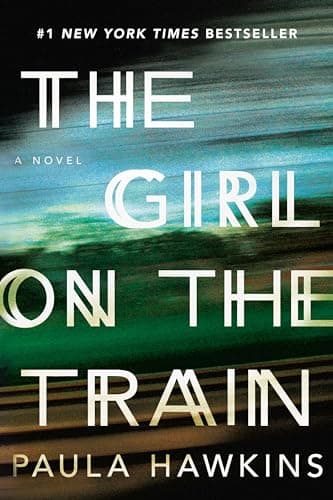
The Girl on the Train