
§Author· 2 books
Oyinkan Braithwaite
Oyinkan Braithwaite is the best-selling author of MY SISTER THE SERIAL KILLER (2018) which has now been translated into 30 languages and sold millions of copies. It won the 2019 LA Times Award for Best Crime Thriller, the 2019 Morning News Tournament of Books, the 2019 Amazon Publishing Reader’s Award for Best Debut Novel and the 2019 Anthony Award for Best First Novel. It was also shortlisted for the Women’s Prize for Fiction 2019, among several other prizes, and longlisted for both the Booker Prize 2019 and the 2020 Dublin Literary Award.
Oyinkan has published several short stories over the last few years for a variety of publications and platforms, including Audible and McSweeney’s. She also wrote a novella The Baby is Mine in support of adult literacy. Alongside her work as a novelist, she is also a screenwriter with two projects in development for television and one for feature film, the latter an adaptation of her first novel.
She lives with her husband and daughter.
(https://oyinkanbraithwaite.co.uk/about/)
§All Books

My Sister, the Serial Killer
Oyinkan Braithwaite, 2018
617 ratings
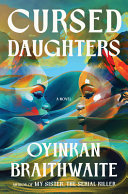
Cursed Daughters
Oyinkan Braithwaite, 2025
35 ratings
§ About Oyinkan Braithwaite's books
- Books on SansFiction
- 2
- Published
- 2018–2025
- Average rating
- 3.7 / 5 across 652 ratings
- Genres
- Contemporary Fiction, Crime, Suspense, Thriller
Start here: My Sister, the Serial Killer (2018)
"Femi makes three, you know. Three and they label you a serial killer." Korede is bitter. How could she not be? Her sister, Ayoola, is many things: the favorite child, the beautiful one, possibly sociopathic. And now Ayoola's third boyfriend in a row is dead. Korede's practicality is the sisters' saving grace.
Common questions about Oyinkan Braithwaite
- Who is Oyinkan Braithwaite?
- Oyinkan has published several short stories over the last few years for a variety of publications and platforms, including Audible and McSweeney’s. She also wrote a novella The Baby is Mine in support of adult literacy. Alongside her work as a novelist, she is also a screenwriter with two projects in development for television and one for feature film, the latter an adaptation of her first novel.
- What is Oyinkan Braithwaite best known for?
- Oyinkan Braithwaite is best known for My Sister, the Serial Killer, published in 2018 with 617 ratings and a 3.6 average. It is the most-rated of Oyinkan Braithwaite's books on SansFiction.
- How many books has Oyinkan Braithwaite written?
- SansFiction lists 2 books by Oyinkan Braithwaite, published between 2018 and 2025. The most popular are My Sister, the Serial Killer and Cursed Daughters.
- Which Oyinkan Braithwaite book should I read first?
- My Sister, the Serial Killer is the usual place to start: it is Oyinkan Braithwaite's most-rated book here, with a 3.6 average.
- What genres does Oyinkan Braithwaite write?
- Oyinkan Braithwaite's books on SansFiction are tagged Contemporary Fiction, Crime, Suspense and Thriller.
Explore: Contemporary Fiction · Crime · Suspense · Thriller