NK
§Author· 1 book
Nicola Kraus
Satirical novel writing that exposes the inner workings of elite domestic life gained mainstream prominence with the publication of the 2002 bestselling novel The Nanny Diaries. Nicola Kraus, writing in collaboration with co-author Emma McLaughlin, drew directly upon years of firsthand experience working as a nanny inside Manhattan penthouses to craft sharp contemporary commercial fiction centered on privilege, labor, and urban relationships.
Her co-authored works have sold millions of copies in over thirty languages, establishing a recognized body of contemporary commercial fiction that balances comedic satire with acute observations of modern personal and professional lives.
Career & Background
Born on August 17, 1974, in New York City, Kraus grew up in Manhattan and attended the Chapin School before enrolling at New York University's Gallatin School of Individualized Study. While attending NYU and working as a nanny to help support her studies, she met fellow student and nanny Emma McLaughlin. Having spent her early childhood residing at 1000 Park Avenue and a combined eight years alongside McLaughlin caring for children in affluent households, Kraus drew inspiration from the upper-echelon Manhattan families they encountered.
Following the massive commercial popularity of The Nanny Diaries, Kraus and McLaughlin turned their joint creative background into a long-running writing partnership. Based in New York City, the duo expanded their catalog with adult novels including Citizen Girl, Dedication, Nanny Returns, So Close, Between You And Me, How To Be A Grownup, and The Best We Could Hope For. They also branched into young adult fiction with The Real Real and Over You. Beyond co-authoring fiction, Kraus expanded her career into professional ghostwriting, editing, and creative coaching.
Writing Style & Themes
Kraus's writing style features a blend of observational social satire, comedic realism, and character-driven narrative. Influenced early on by satirical audio and dramatic tragedy, Kraus focuses on the tension between public facades and private struggles. Her works regularly explore themes of workplace exploitation, female friendship, the absurdities of extreme wealth, and the awkward transitions of early adulthood.
Major Works
- The Nanny Diaries — Co-authored with Emma McLaughlin, this 2002 debut satirical novel draws on their real-life experiences as Manhattan nannies to depict the emotional struggles and absurdities of working for a privileged Park Avenue family.
- Citizen Girl — A contemporary novel focusing on entry-level employment, workplace dynamics, and young women navigating career challenges and business ethics in New York City.
- Nanny Returns — The direct sequel to The Nanny Diaries, which revisits the original protagonist a decade later as she re-enters the high-society world of Manhattan caregiving.
- The Real Real — A young adult novel co-written with Emma McLaughlin that explores teenage relationships and the behind-the-scenes reality of youth-targeted television production.
- Over You — A young adult story examining heartbreak, emotional recovery, and female solidarity through a comedic lens.
§All Books
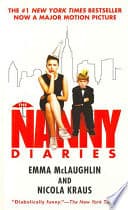
The Nanny Diaries
Nicola Kraus, 2002
126 ratings