Natsume Sōseki
Also known as Natsume Kinnosuke, 夏目 漱石, 夏目 金之助
Satirical narrative perspective and psychological realism transformed twentieth-century Japanese fiction, best exemplified by the celebrated novel Kokoro. Natsume Sōseki, born Natsume Kinnosuke, created a pivotal body of work that bridged classic Asian aesthetic traditions and early modern Western literature.
Career & Background
Born on February 9, 1867, near the end of the Tokugawa shogunate epoch, Sōseki grew up during Japan's transformation into the Meiji era (1868–1912). After enduring a turbulent childhood during which he was given up for adoption, he became an accomplished scholar of British literature and classical Chinese texts before committing to full-time writing between 1905 and 1916.
Transitioning from academic scholarship to creative fiction, Sōseki published his debut novel I Am a Cat in 1905, followed by popular works including Botchan in 1906 and Sanshirō in 1908. In addition to his long-form novels, he was a prolific writer of haiku, composer of kanshi poetry, and author of fairy tales. His widespread cultural significance led to his portrait appearing on the Japanese 1,000 yen note from 1984 to 2004.
Writing Style & Themes
Sōseki's fiction focused heavily on individualism, egoism, emotional loneliness, and the tension between traditional Japanese values and rapid Westernization. His literary technique combined traditional classical Chinese learning, English narrative structure, and sharp psychological observation, allowing his characters to navigate the anxieties of modern life.
Major Works
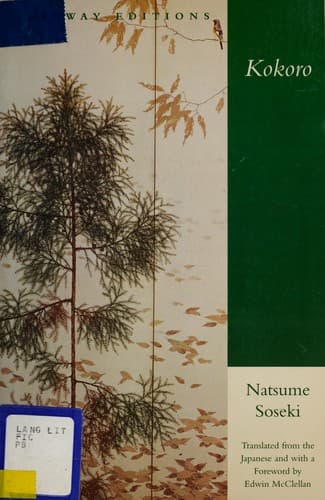
- Kokoro — Published in 1914, this novel explores egoism, isolation, and intergenerational tension through the relationship between a young university student and an elder mentor.
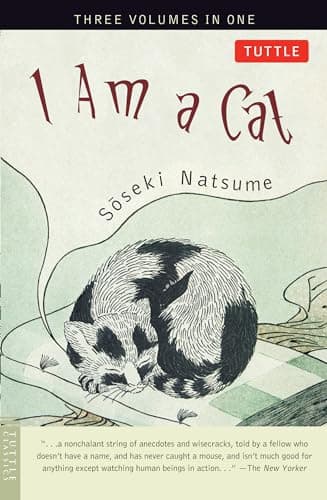
- I Am a Cat — Serialized starting in 1905, this satirical novel observes the foibles and absurdities of Meiji-era middle-class intellectuals through the perspective of an unnamed feline narrator.
- Botchan — Released in 1906, this short novel draws on Sōseki's teaching experiences to depict a headstrong Tokyo teacher assigned to a rural middle school.
- Kusamakura — This early work combines poetic reflections and aesthetic philosophy in depicting an artist seeking refuge from human suffering in a mountain village.
- Sanshirō — Published in 1908, this coming-of-age narrative follows a naive young man from the countryside who moves to Tokyo to attend university.
- Light and Darkness — Left unfinished upon Sōseki's death on December 9, 1916, this final novel presents a rigorous psychological study of marital conflict and personal egoism.
Kokoro