Naomi Novik
Historical alternate fantasy featuring dragons during the Napoleonic Wars introduced readers to a distinct blend of military history and speculative fiction. Naomi Novik established her reputation with the nine-novel Temeraire series before expanding into award-winning standalone folklore reimaginings and dark magical academy fiction.
An avid reader of fantasy literature since age six, Novik combines a lifelong love of speculative worldbuilding with rigorous historical interest. Her works have won the Nebula, Locus, Mythopoeic, and British Fantasy awards, and have been translated into more than thirty languages.
Career & Background
Born in New York in 1973 as a first-generation American, Novik was raised on Polish fairy tales, stories of Baba Yaga, and the writings of J.R.R. Tolkien. She developed a deep fascination with the Napoleonic era alongside a fondness for the literary works of Jane Austen and Patrick O'Brian. She earned a Bachelor of Arts in English Literature from Brown University and a Master's degree in Computer Science from Columbia University. Novik initially worked in the computer games industry as a programmer and designer, contributing to Neverwinter Nights: Shadows of Undrentide at BioWare in Edmonton, Canada. Recognizing that she preferred creative storytelling over computer programming, she returned to New York to focus full-time on writing novels.
Novik made her publishing debut in 2006 with her Temeraire series, reimagining nineteenth-century naval and aerial warfare with intelligent dragons serving in military aviator corps. Following the conclusion of the nine-book series in 2016, she turned to standalone fairy-tale retellings and later developed the dark academic Scholomance trilogy. She lives in New York City with her husband, daughter, and many purring computers.
Writing Style & Themes
Novik's writing frequently merges intricate historical detail, folk mythology, and subverted speculative tropes. In her folklore-inspired standalones, she draws upon Eastern European motifs and classic fairy tales to explore themes of isolation, magical bargain dynamics, and systemic power. Her characterization often highlights pragmatic protagonists navigating harsh environments, complex political alliances, and dangerous magical institutions.
Major Works
- A Deadly Education — Published as the opening volume of the Scholomance trilogy, this novel introduces a perilous, automated school for sorcerers filled with dangerous monsters, following El Higgins as she navigates survival and her potential for dark magic.
- The Golden Enclaves — The concluding installment of the Scholomance trilogy, this book resolves El's confrontation with the corrupt foundation of the global wizarding world and the horrific secrets behind magical enclaves.
- Uprooted — Inspired by Polish folklore, this standalone fantasy novel follows Agnieszka, a young woman chosen from her village to serve a cold wizard known as the Dragon in exchange for protection from a corrupted, sentient Wood.
- Spinning Silver — A standalone fantasy novel based on the Rumpelstiltskin fairy tale, telling the interwoven stories of Miryem, Wanda, and Irina as they deal with icy winter creatures, royal politics, and dangerous bargains.
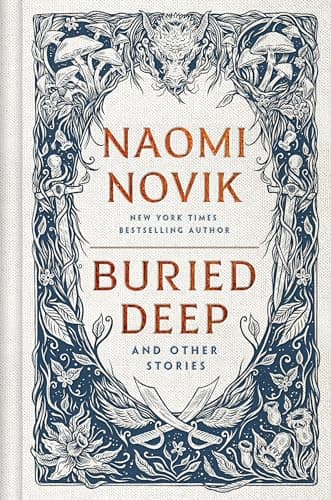
- Buried Deep and Other Stories — A collection featuring short fiction set across various fantastical realms, expanding upon Novik's established series and standalone narrative concepts.
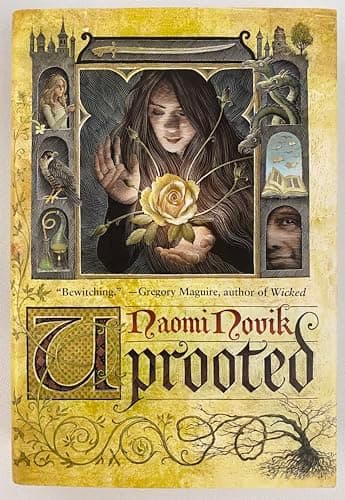
Uprooted
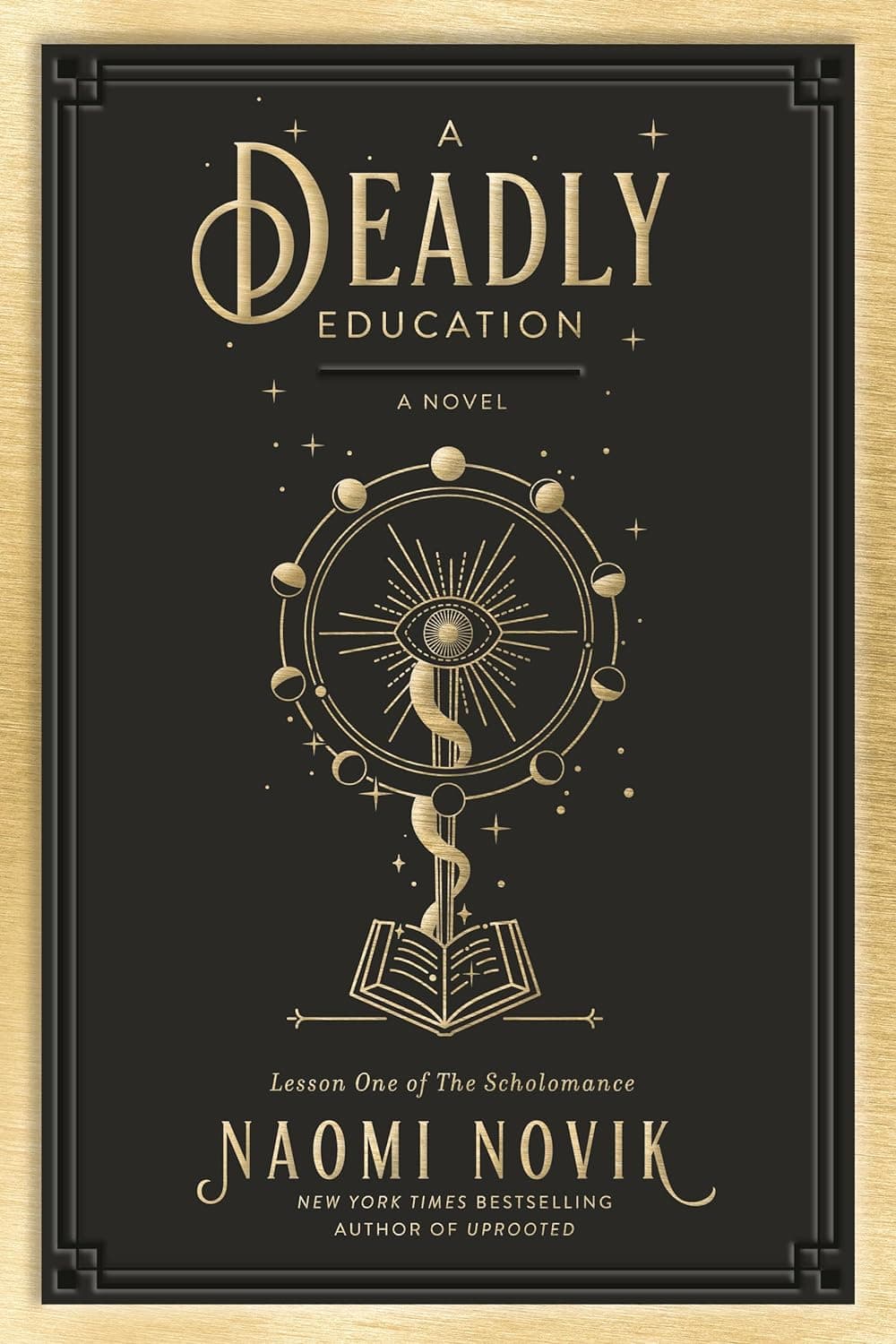
A Deadly Education
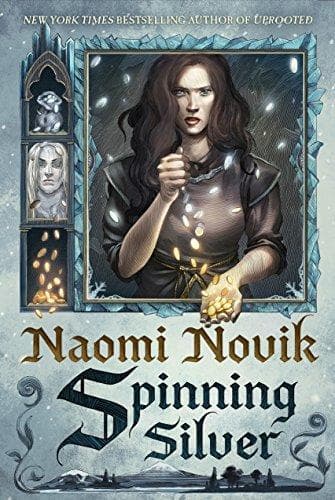
Spinning Silver
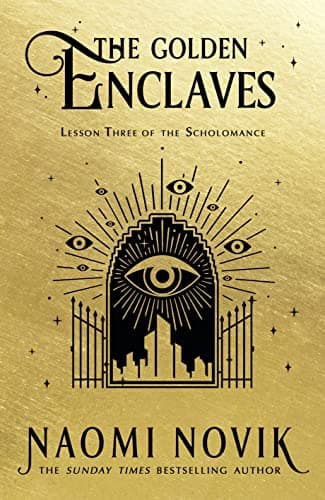
The Golden Enclaves