Michelle Zauner
Also known as Michelle Chongmi Zauner
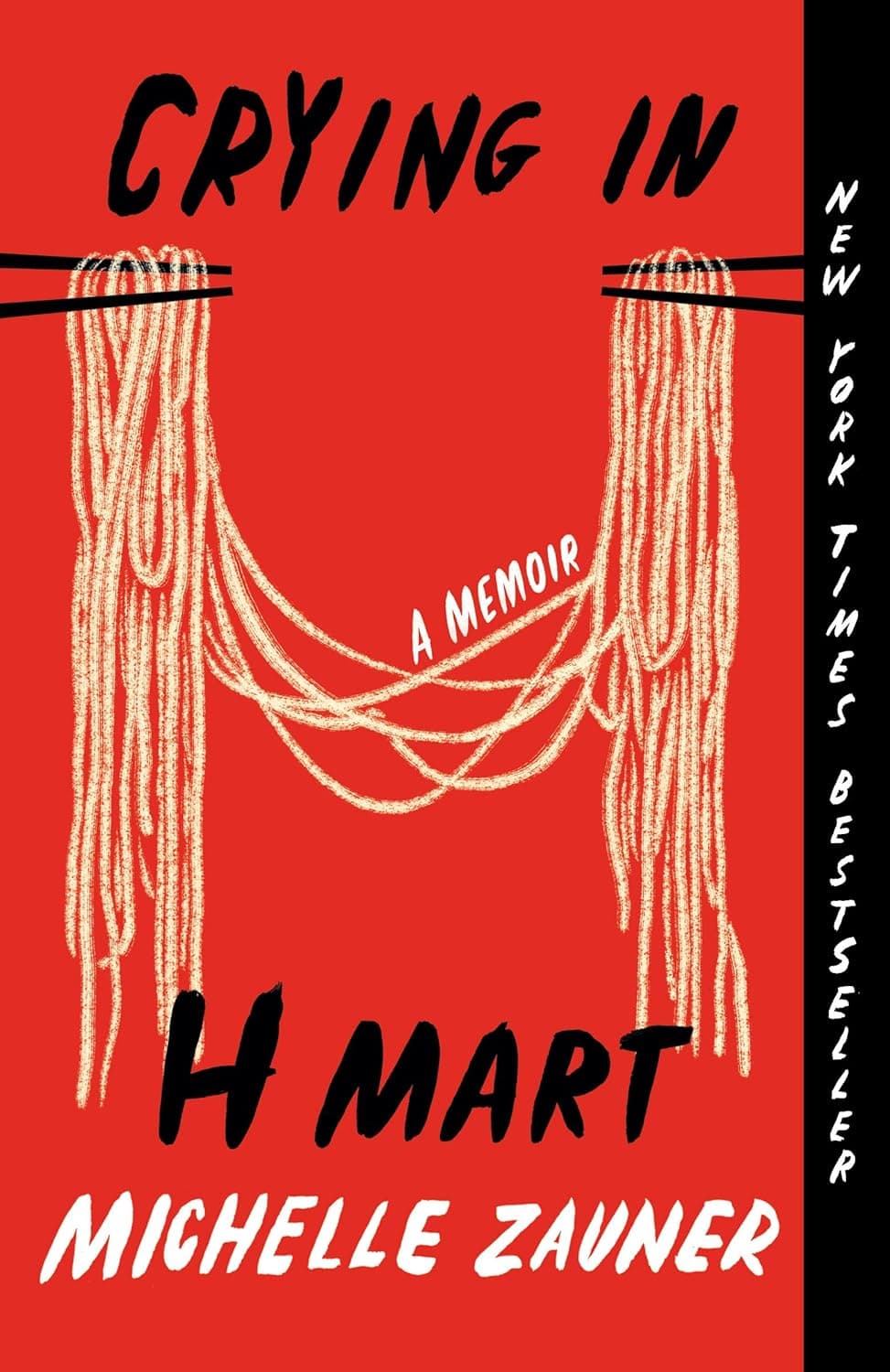
Non-fiction memoirs exploring cultural identity, maternal loss, and culinary heritage gained a significant voice with the publication of Crying in H Mart. Michelle Zauner, previously best known as the frontwoman and primary songwriter for the indie rock band Japanese Breakfast, expanded her artistic focus into narrative prose with this bestselling 2021 memoir. The book spent 60 weeks on The New York Times hardcover non-fiction bestseller list after reaching the number-one spot, establishing her as a compelling literary voice examining grief and diaspora.
Career & Background
Born in Seoul, South Korea, in 1989, Zauner grew up in the United States and later attended Bryn Mawr College. She began her musical career performing with various indie projects before achieving widespread critical acclaim as the lead vocalist and creative force behind Japanese Breakfast. Her band released notable albums including Psychopomp, Soft Sounds from Another Planet, and Jubilee, the latter earning two Grammy nominations for Best New Artist and Best Alternative Music Album. Following the loss of her mother to cancer in 2014, Zauner turned to writing and cooking traditional Korean food as a way to process her bereavement, leading to personal essays and eventually her debut memoir. In 2022, she was recognized on TIME Magazine's list of the 100 Most Influential People, and she subsequently undertook writing the screenplay for the feature film adaptation of Crying in H Mart.
Writing Style & Themes
Zauner's prose is marked by sensory detail, culinary reflection, and intimate emotional honesty. Central to her literary work is the relationship between food and memory, specifically how preparing Korean dishes such as kimchi-jjigae and jatjuk served as a bridge to her late mother and her Korean heritage. Her writing addresses the complexities of growing up Korean American, navigating dual cultural expectations, and enduring the intense strain of family illness. By linking culinary practice directly to mourning and self-discovery, her memoir illustrates how inherited traditions can offer comfort and preserve personal history in the face of profound loss.
Major Works
- Crying in H Mart — Published in 2021, this #1 New York Times bestselling memoir chronicles Zauner's upbringing as a Korean American, her complex relationship with her mother, and the profound grief following her mother's terminal diagnosis and death in 2014. Through detailed descriptions of learning to cook traditional Korean meals, the narrative details her process of grieving, preserving family lineage, and reclaiming her heritage.