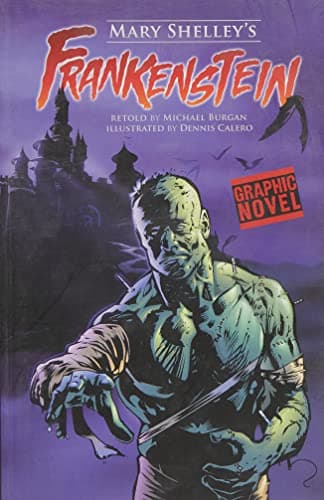
Mary Shelley
Also known as Mary Wollstonecraft Shelley, Mary Wollstonecraft Godwin, Mary Godwin
The 1818 publication of Frankenstein established a foundational narrative of creation, moral responsibility, and technological hubris that combined Gothic fiction with early science fiction. Written by Mary Shelley when she was eighteen years old, the novel examines the tragic consequences of scientist Victor Frankenstein animating a sentient creature from human body parts.
Career & Background
Born in London on August 30, 1797, Mary Wollstonecraft Godwin was raised by her father, political philosopher William Godwin, following the death of her mother, feminist advocate Mary Wollstonecraft, shortly after childbirth. Growing up in an unconventional household filled with intellectual figures and extensive library collections, she cultivated a commitment to literature and social theory from an early age. In 1814, she eloped with the Romantic poet and philosopher Percy Bysshe Shelley, whom she later married. Over her life, she worked across multiple genres as a novelist, short story writer, dramatist, essayist, biographer, and travel writer. Following her husband's death, she devoted significant effort to editing, promoting, and publishing his collected works alongside her own creative output.
Writing Style & Themes
Shelley blended Gothic narrative techniques with modern scientific knowledge and philosophical inquiry, focusing on themes of social isolation, parental responsibility, and the ethical limits of intellectual ambition. Her prose frequently investigates the human condition through complex narrative frames, contrasting radical political philosophy with emotional vulnerability. In addition to horror and speculative fiction, her broader bibliography includes historiographical novels, biographical sketches, and travel books that reflect her lifelong interest in Romanticism and social reform.
Major Works
- Frankenstein — First published in 1818 and subtitled The Modern Prometheus, this milestone Gothic and science fiction novel centers on a young scientist who brings an artificial creature to life, exploring the devastating psychological and social aftermath of his creation.
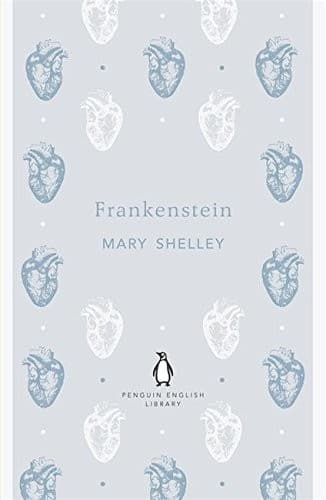
Frankenstein