
§Author· 1 book
Markus Zusak
Also known as Markus Frank Zusak, Mark Zusak
Historical fiction and young adult literature gained one of their most distinct modern classics with the publication of The Book Thief, a novel set in Nazi-era Germany narrated by Death. Australian author Markus Zusak achieved international acclaim with this work, which was first released in 2005 and subsequently spent more than a decade on the New York Times bestseller list while being translated into more than forty languages.
Career & Background
Born in Sydney in 1975 to an Austrian father and a German mother who emigrated to Australia in the late 1950s, Markus Frank Zusak grew up hearing stories of European wartime experience that deeply influenced his creative imagination. He attended Engadine High School, where he began writing fiction at sixteen and completed his first manuscript at eighteen. He went on to study English and history at the University of New South Wales, earning a Bachelor of Arts and a Diploma of Education before briefly working as a high school English teacher.
Zusak made his publishing debut in 1999 with The Underdog, the first entry in his trilogy about the Wolfe brothers, which was followed by Fighting Ruben Wolfe and When Dogs Cry (published in some markets as Getting the Girl). His 2002 novel The Messenger (also released as I Am the Messenger) earned wide critical recognition and won the Children's Book Council of Australia Book of the Year Award. Following the worldwide success of The Book Thief in 2005, which was adapted into a 2013 feature film, Zusak released the multi-generational family novel Bridge of Clay and the non-fiction memoir Three Wild Dogs (and the truth). In 2014, he received the Margaret A. Edwards Award for his lasting contribution to young adult literature.
Writing Style & Themes
Zusak's writing is defined by its inventive narrative voice, rhythmic prose, and empathetic focus on ordinary individuals facing monumental personal or historical adversity. He regularly explores themes of brotherhood, loyalty, morality, and the resilience of the human spirit amidst hardship. By employing unexpected storytelling choices—such as placing a compassionate version of Death in the role of narrator in The Book Thief—he delivers a lyrical perspective on tragedy, memory, and the power of language.
Major Works
- The Book Thief — First published in 2005, this international bestseller centers on Liesel Meminger, a foster girl living outside Munich during World War II, as narrated by Death. The novel spent over ten years on the New York Times bestseller list, was translated into more than forty languages, and was adapted into a major feature film in 2013.
- The Messenger — Also published as I Am the Messenger, this award-winning novel follows Ed Kennedy, an uninspired taxi driver who receives playing cards containing mysterious addresses and tasks that force him to intervene in the lives of strangers.
- Bridge of Clay — An ambitious family saga about five motherless brothers, focusing on Clay Dunbar as he attempts to build a bridge to heal old family wounds and find redemption.
- The Wolfe Brothers Trilogy — Comprising The Underdog, Fighting Ruben Wolfe, and When Dogs Cry (Getting the Girl), this early series depicts working-class family life, brotherly rivalry, and coming-of-age struggles in suburban Australia.
§All Books
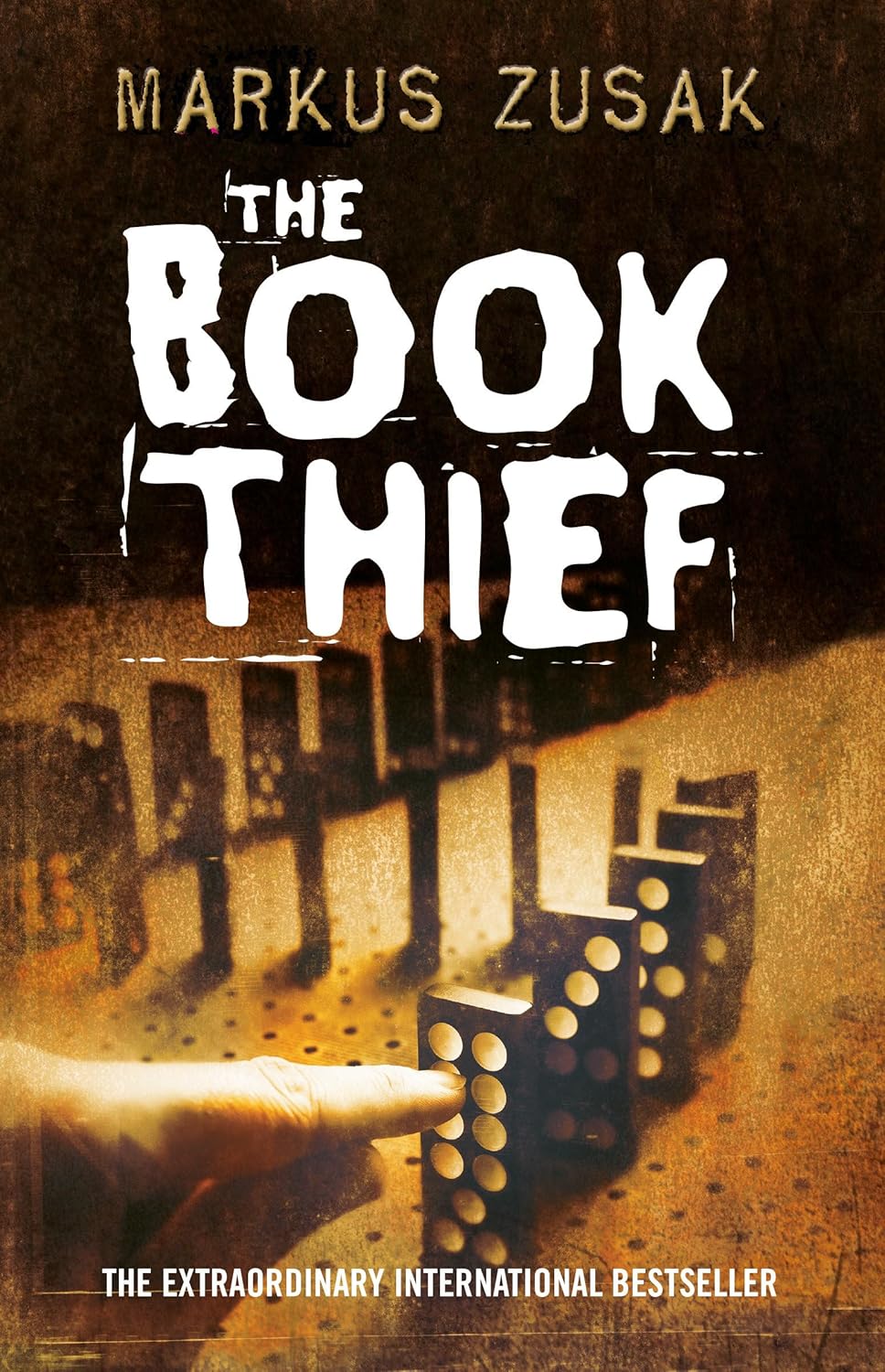
The Book Thief
Markus Zusak, 1993
1,918 ratings
§ About Markus Zusak's books
- Books on SansFiction
- 1
- Published
- 1993
- Average rating
- 4.3 / 5 across 1,918 ratings
- Genres
- Books And Reading, Classics, Death & Dying, Difficult Situations
The book: The Book Thief (1993)
It is 1939. Nazi Germany. The country is holding its breath. Death has never been busier, and will become busier still. By her brother's graveside, Liesel Meminger's life is changed when she picks up a single object, partially hidden in the snow. It is The Grave Digger's Handbook, left there by accident, and it is her first act of book thievery.
Common questions about Markus Zusak
- Who is Markus Zusak?
- Born in Sydney in 1975 to an Austrian father and a German mother who emigrated to Australia in the late 1950s, Markus Frank Zusak grew up hearing stories of European wartime experience that deeply influenced his creative imagination. He attended Engadine High School, where he began writing fiction at sixteen and completed his first manuscript at eighteen.
- What is Markus Zusak best known for?
- Markus Zusak is best known for The Book Thief, published in 1993 with 1,918 ratings and a 4.3 average. It is the most-rated of Markus Zusak's books on SansFiction.
- What genres does Markus Zusak write?
- Markus Zusak's books on SansFiction are tagged Books And Reading, Classics, Death & Dying and Difficult Situations.
Explore: Books And Reading · Classics · Death & Dying · Difficult Situations