Malcolm Gladwell
Also known as Malcolm Timothy Gladwell
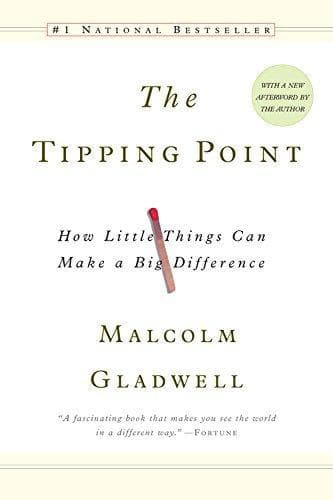
Popular non-fiction investigating social science, psychology, and unexpected patterns in human behavior gained wide reader engagement through books like The Tipping Point: How Little Things Can Make a Big Difference. Malcolm Timothy Gladwell, an English-born Canadian journalist, author, and speaker, has spent decades examining how small changes, rapid decision-making, and hidden cultural structures shape daily life.
With a career bridging journalism and public commentary, Gladwell has brought complex sociological research into accessible mainstream discussions, examining everything from epidemic thresholds to the surprising mechanics of individual achievement.
Career & Background
Malcolm Timothy Gladwell was born on September 3, 1963, in Fareham, England, to a Jamaican psychotherapist mother and a white English mathematics professor father. In 1969, his family relocated to Elmira, Ontario, Canada. He later attended the University of Toronto, earning a Bachelor of Arts degree before entering journalism. Gladwell worked as a reporter for The Washington Post for ten years, covering business and science, before joining The New Yorker as a staff writer in 1996. He was appointed to the Order of Canada in 2011 and was recognized on the TIME 100 Most Influential People list and Foreign Policy's Top Global Thinkers.
In addition to his print journalism and books, Gladwell co-founded Pushkin Industries, an audio production company that produces podcasts and audiobooks. He hosts the popular podcast Revisionist History, which re-examines overlooked historical events, ideas, and figures. Gladwell continues to work as a staff writer for The New Yorker while publishing books, producing digital audio projects, and speaking publicly across the globe.
Writing Style & Themes
Gladwell's writing sits at the intersection of popular science, sociology, and narrative storytelling, frequently drawing on academic research to challenge intuitive assumptions about human behavior. His prose relies on engaging anecdotes, case studies, and clear conceptual frameworks that simplify complex psychological and sociological phenomena for general audiences.
Recurring themes across his work include the hidden influences that govern individual and group actions, the unexpected dynamics of social epidemics, the limitations of split-second intuition, and the systemic factors behind success and miscommunication. By contextualizing personal outcomes within broader environmental and historical circumstances, Gladwell encourages readers to re-evaluate conventional wisdom.
Major Works
- The Tipping Point: How Little Things Can Make a Big Difference — Published in 2000, this landmark bestseller explores how small ideas, trends, and social behaviors cross a critical threshold to spread rapidly like contagions.
- Outliers: The Story of Success — Published in 2008, this influential work examines the external factors, cultural backgrounds, family legacies, and preparation opportunities that contribute to high achievers.
- Blink — This bestselling book investigates the power and pitfalls of rapid intuition, exploring how brain processes make snap judgments and when those instincts succeed or fail.
- David and Goliath — This work explores the dynamics of underdogs and misfits, examining how perceived disadvantages can become unexpected strengths and how advantages can turn into liabilities.
- Talking to Strangers — An examination of how people misinterpret and misunderstand individuals they do not know, analyzing high-profile cases of communication breakdown.
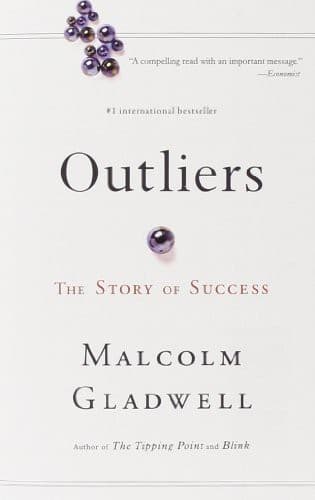
Outliers: The Story of Success