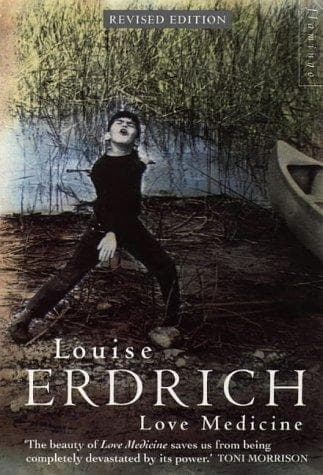
Louise Erdrich
Also known as Karen Louise Erdrich
Multi-generational chronicles of Ojibwe history, tribal sovereignty, and family bonds in the northern Midwest form the core of a major body of American fiction spanning four decades. Native American author Louise Erdrich launched her career with the award-winning novel Love Medicine in 1984, establishing an interconnected literary landscape rooted in North Dakota lands where Native and Anglo-American cultures intersect.
Career & Background
Born Karen Louise Erdrich on June 7, 1954, in Little Falls, Minnesota, she was raised in Wahpeton, North Dakota, as the eldest of seven children. Her mother was of Ojibwe descent from the Turtle Mountain Reservation, and her father was of German ancestry, with both parents working as educators at a Bureau of Indian Affairs boarding school. An enrolled citizen of the Turtle Mountain Band of Chippewa Indians, Erdrich earned early recognition with a Guggenheim Fellowship in 1985 and a Lifetime Achievement Award from the Native Writers' Circle of the Americas. Over a career encompassing 28 books—including poetry, short stories, children's literature, and a memoir—she also established Birchbark Books, an independent bookstore in Minnesota.
Writing Style & Themes
Widely recognized for her role in the second wave of the Native American Renaissance, Erdrich frequently employs ensemble casts, recursive timelines, and shifting narrative perspectives to explore Ojibwe heritage, historical memory, and reservation life. Her work weaves Chippewa mythic traditions into Anglo-American literary structures, examining complex legal and social struggles while balancing heavy themes with humor and community resilience. In addition to realistic historical and contemporary fiction, her writing encompasses speculative narrative styles, as demonstrated in her dystopian novel Future Home of the Living God.
Major Works
- Love Medicine — Published in 1984 as her debut novel, this interconnected multi-voiced narrative follows Chippewa families in North Dakota over several generations and won the National Book Critics Circle Award.
- The Round House — Winner of the 2012 National Book Award, this novel investigates tribal law, justice, and family recovery through a teenager's perspective following an assault on a North Dakota reservation.
- The Night Watchman — Winner of the 2021 Pulitzer Prize for Fiction, this narrative draws on the life of Erdrich's grandfather to depict a tribal chairman fighting federal Native termination legislation in the 1950s.
- Future Home of the Living God — This speculative novel explores themes of pregnancy, maternal resistance, and societal collapse during an environmental crisis where human evolution reverses.
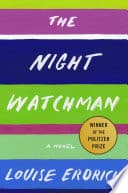
The Night Watchman
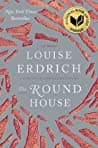
The Round House
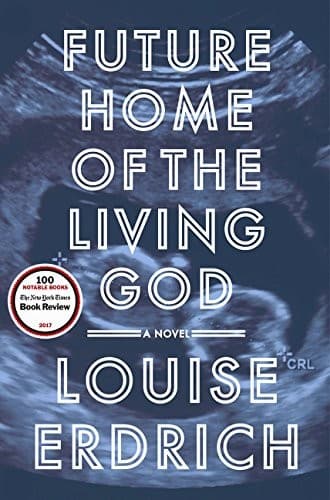
Future Home of the Living God