
§Author· 4 books
Leo Tolstoy
Also known as Count Lev Nikolayevich Tolstoy, Lev Nikolayevich Tolstoy, Leo Tolstoi, Lev Tolstoy
Realist fiction reached a defining height through sprawling historical panoramas and intimate psychological studies of nineteenth-century Russian society, most notably in the epic novel War and Peace. Russian author Count Lev Nikolayevich Tolstoy, known in the Anglosphere as Leo Tolstoy, crafted works that examined human consciousness, social structures, and moral responsibility across expansive narratives and concise novellas.
Career & Background
Born on September 9, 1828, at his family estate of Yasnaya Polyana south of Moscow, Lev Nikolayevich Tolstoy was the son of Count Nikolai Ilyich Tolstoy and Princess Marya Nikolaevna Volkonskaya. He began his literary career writing novels and short stories, producing his vast historical work War and Peace between 1865 and 1869. In 1873, he began Anna Karenina, a masterwork examining tragedy, marriage, and imperial Russian aristocratic life. During the 1870s, Tolstoy experienced a deep moral crisis and spiritual awakening that transformed his personal philosophy and literary trajectory.
In his later life, Tolstoy expanded his body of work to include plays, essays, and social philosophy alongside fiction. His literal interpretation of the ethical teachings of Jesus, centered on the Sermon on the Mount, led him to advocate for Christian anarchism and anarcho-pacifism. Through philosophical works such as The Kingdom of God Is Within You, he set forth principles of nonviolent resistance that profoundly influenced twentieth-century figures like Mohandas Gandhi and Martin Luther King, Jr. Tolstoy continued publishing prominent fiction in his final decades, including The Death of Ivan Ilych and The Kreutzer Sonata, until his death on November 20, 1910.
Writing Style & Themes
Tolstoy is recognized for his masterly depiction of conscious mental life, acute psychological realism, and appreciation of everyday human experience. In contrast to authors focused primarily on irrational or subconscious impulses, Tolstoy captured the deliberate flow of thoughts, domestic choices, and moral dilemmas of his characters against the backdrop of broad historical events.
Across his novels and non-fiction, Tolstoy consistently explored themes of spiritual truth, personal morality, the critique of state and religious institutions, and the hypocrisy of high society. In his later writings, his style became increasingly didactic, blending realistic observation with a commitment to ethical reform and ascetic principles.
Major Works
- War and Peace — Written between 1865 and 1869, this epic historical novel chronicles Russian society during the Napoleonic era, combining narrative drama with philosophical examinations of history and human agency.
- Anna Karenina — Commenced in 1873, this novel contrasts the tragic affair of Anna Karenina with the spiritual and agrarian pursuits of Konstantin Levin across imperial Russian society.
- The Death of Ivan Ilych — A prominent late-period novella examining mortality, societal superficiality, and the search for authentic living when facing terminal illness.
- The Kreutzer Sonata — A controversial novella exploring jealousy, marital conflict, and Tolstoy's late-life views on asceticism and human relationships.
§All Books
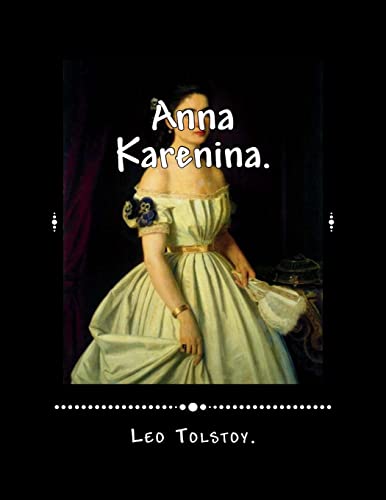
Anna Karenina
Leo Tolstoy, 1877
691 ratings

The Death of Ivan Ilych
Leo Tolstoy, 1866
364 ratings
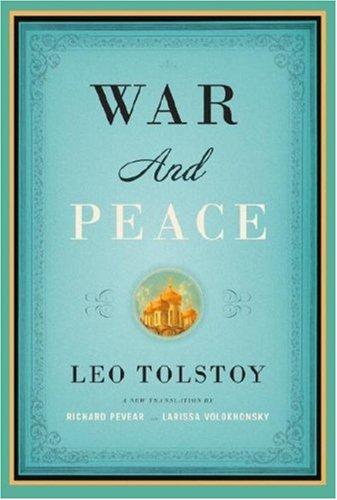
War and Peace
Leo Tolstoy, 1805
361 ratings

The Kreutzer Sonata
Leo Tolstoy, 1880
30 ratings
§ About Leo Tolstoy's books
- Books on SansFiction
- 4
- Published
- 1805–1880
- Average rating
- 4.0 / 5 across 1,446 ratings
- Genres
- General, Historical Fiction, Literature, Classics
Start here: Anna Karenina (1877)
Described by William Faulkner as the best novel ever written and by Fyodor Dostoevsky as “flawless,” Anna Karenina tells of the doomed love affair between the sensuous and rebellious Anna and the dashing officer, Count Vronsky. Tragedy unfolds as Anna rejects her passionless marriage and thereby exposes herself to the hypocrisies of society.
Common questions about Leo Tolstoy
- Who is Leo Tolstoy?
- Born on September 9, 1828, at his family estate of Yasnaya Polyana south of Moscow, Lev Nikolayevich Tolstoy was the son of Count Nikolai Ilyich Tolstoy and Princess Marya Nikolaevna Volkonskaya. He began his literary career writing novels and short stories, producing his vast historical work War and Peace between 1865 and 1869.
- What is Leo Tolstoy best known for?
- Leo Tolstoy is best known for Anna Karenina, published in 1877 with 691 ratings and a 4.0 average. It is the most-rated of Leo Tolstoy's books on SansFiction.
- How many books has Leo Tolstoy written?
- SansFiction lists 4 books by Leo Tolstoy, published between 1805 and 1880. The most popular are Anna Karenina, The Death of Ivan Ilych, War and Peace and The Kreutzer Sonata.
- Which Leo Tolstoy book should I read first?
- Anna Karenina is the usual place to start: it is Leo Tolstoy's most-rated book here, with a 4.0 average.
- What genres does Leo Tolstoy write?
- Leo Tolstoy's books on SansFiction are tagged General, Historical Fiction, Literature and Classics.
Explore: General · Historical Fiction · Literature · Classics