
§Author· 4 books
Jonathan Safran Foer
Also known as JSF, Jonathan S. Foer
Contemporary American fiction was significantly shaped in the early 2000s by inventive narrative structures addressing historical trauma and personal grief, most prominently showcased in the award-winning novel Everything Is Illuminated. Author Jonathan Safran Foer emerged as a prominent voice in modern literature through his distinct blend of emotional sincerity and formal experimentation.
Career & Background
Born on February 21, 1977, in Washington, D.C., Jonathan Safran Foer established his career with his debut novel Everything Is Illuminated (2002), which received the Guardian First Book Prize, the National Jewish Book Award, and the New York Public Library Young Lions Prize, while also being named Book of the Year by the Los Angeles Times. He followed this success with his second novel, Extremely Loud & Incredibly Close (2005), which examines the aftermath of September 11 through the perspective of a young boy in New York City. Both novels were adapted into major motion pictures, with the film adaptation of Extremely Loud & Incredibly Close receiving an Academy Award nomination for Best Picture.
In addition to his fiction, which includes the 2016 novel Here I Am, Foer has published influential non-fiction works such as Eating Animals (2009), an investigation into the ethics of meat consumption, and We Are the Weather: Saving the Planet Begins at Breakfast (2019), which addresses the impact of dietary choices on climate change. Recognized on early-career lists by The New Yorker, Esquire, and Rolling Stone, Foer currently serves as the Lillian Vernon Distinguished Writer-in-Residence at New York University and resides in Brooklyn.
Writing Style & Themes
Foer's work frequently examines themes of memory, intergenerational trauma, family identity, and moral responsibility, blending deeply personal narratives with broader societal and environmental issues. His narrative style often incorporates inventive visual design, non-traditional typography, and shifting viewpoints to explore the limits of expression when confronting grief and historical tragedy. Across both his novels and non-fiction books, Foer balances emotional depth with rigorous ethical inquiries into contemporary choices.
Major Works
- Everything Is Illuminated — Published in 2002, this debut novel won the Guardian First Book Prize and the National Jewish Book Award, combining humor and tragedy in a journey across Ukraine to uncover family history during World War II.
- Extremely Loud & Incredibly Close — Released in 2005, this novel follows nine-year-old Oskar Schell as he searches New York City after losing his father on September 11, using creative visual elements to depict trauma and healing.
- Eating Animals — Published in 2009, this non-fiction book explores factory farming, animal welfare, and the moral implications of meat consumption.
- Here I Am — Published in 2016, this novel examines marriage, Jewish identity, and family crisis set against the backdrop of a major conflict in the Middle East.
- We Are the Weather: Saving the Planet Begins at Breakfast — Released in 2019, this non-fiction work connects daily dietary choices to global environmental sustainability and climate change.
§All Books

Extremely Loud & Incredibly Close
Jonathan Safran Foer, 2005
383 ratings

Everything Is Illuminated
Jonathan Safran Foer, 2002
195 ratings
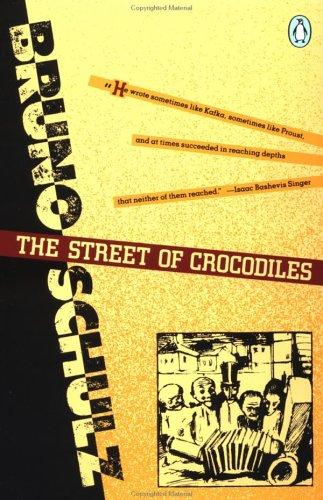
The Street of Crocodiles
Bruno Schulz, 1933
10 ratings

The Fixer
Bernard Malamud, 1966
7 ratings
§ About Jonathan Safran Foer's books
- Books on SansFiction
- 4
- Published
- 1933–2005
- Average rating
- 3.9 / 5 across 595 ratings
- Genres
- Classics, Literature, Fiction, Contemporary
Start here: Extremely Loud & Incredibly Close (2005)
A new novel by the author of Everything Is Illuminated introduces Oskar Schell, the nine-year-old son of a man killed in the World Trade Center bombing who searches the city for a lock that fits a black key his father left behind.
Common questions about Jonathan Safran Foer
- Who is Jonathan Safran Foer?
- Born on February 21, 1977, in Washington, D.C., Jonathan Safran Foer established his career with his debut novel Everything Is Illuminated (2002), which received the Guardian First Book Prize, the National Jewish Book Award, and the New York Public Library Young Lions Prize, while also being named Book of the Year by the Los Angeles Times.
- What is Jonathan Safran Foer best known for?
- Jonathan Safran Foer is best known for Extremely Loud & Incredibly Close, published in 2005 with 383 ratings and a 3.9 average. It is the most-rated of Jonathan Safran Foer's books on SansFiction.
- How many books has Jonathan Safran Foer written?
- SansFiction lists 4 books by Jonathan Safran Foer, published between 1933 and 2005. The most popular are Extremely Loud & Incredibly Close, Everything Is Illuminated, The Street of Crocodiles and The Fixer.
- Which Jonathan Safran Foer book should I read first?
- Extremely Loud & Incredibly Close is the usual place to start: it is Jonathan Safran Foer's most-rated book here, with a 3.9 average.
- What genres does Jonathan Safran Foer write?
- Jonathan Safran Foer's books on SansFiction are tagged Classics, Literature, Fiction and Contemporary.
Explore: Classics · Literature · Fiction · Contemporary