John Gwynne
Reinterpreting classic heroic fantasy through combat realism, historical research, and visceral characterization, the high-stakes sagas set within the Banished Lands and the Norse-inspired realm of Vigrið have established a significant footprint in modern epic fiction. John Gwynne entered the fantasy landscape with his 2012 debut novel Malice, initiating a multi-series chronicle that balances grand cosmic warfare against intimate personal struggles. His narratives emphasize technical martial accuracy, the heavy emotional toll of conflict, and the enduring bonds of friendship and family amidst global upheaval.
From his initial four-book sequence to later expansions and Scandinavian-inspired sagas, Gwynne constructs expansive fantasy worlds where victory is rarely untainted by sacrifice. His books, including Valour, Ruin, Wrath, A Time of Dread, and The Shadow of the Gods, combine rigorous research into ancient weapons and shield walls with character-driven storytelling. Readers seeking immersive world-building, morally complex character arcs, and authentic tactical combat will find his extensive bibliography both deeply engaging and foundational to contemporary heroic fantasy.
Career & Background
Born on September 21, 1968, in Singapore, where his father was stationed with the Royal Air Force, John Gwynne spent his early childhood traveling internationally before his family settled in East Sussex, England. His early adult life was characterized by a wide range of practical and creative pursuits across different industries. He studied and later lectured at the University of Brighton, developing a strong academic discipline in research, historical analysis, and structured composition that would later inform his writing process. Outside academia, his varied experiences included working on a landscaping crew digging ditches, packing soap in a manufacturing plant, playing double bass in a rock 'n' roll band, traveling across the United States, and living in Canada for a period.
Gwynne eventually established a quiet domestic life in Eastbourne, East Sussex, where he and his family operated a small business restoring and rejuvenating vintage furniture. His transition into writing fiction was prompted by family encouragement, particularly from his wife and children, who urged him to put to paper the elaborate stories he had been formulating. Drawing upon his university training, he approached the writing process with meticulous planning and extensive background research into ancient history, mythology, Celtic lore, and Roman military campaigns such as Julius Caesar's Gallic Wars.
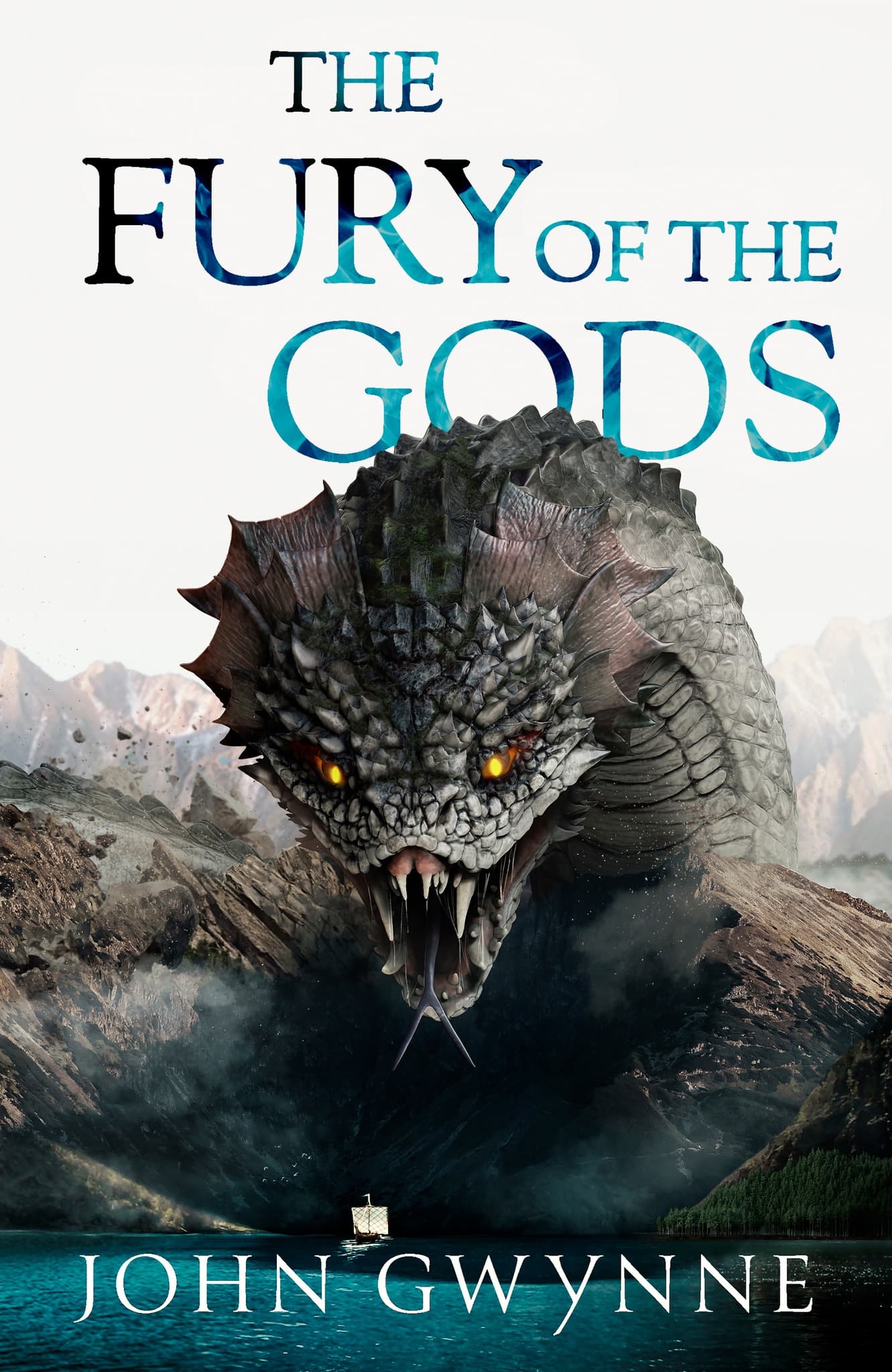
His debut novel, Malice, was published by Pan Macmillan in 2012 and went on to win the David Gemmell Morningstar Award for Best Fantasy Debut. Winning an award named after David Gemmell held profound significance for Gwynne, who cited Gemmell as a primary hero and catalyst for pursuing fantasy authorship. Following Malice, Gwynne maintained a prolific writing schedule, completing The Faithful and the Fallen tetralogy with Valour in 2014, Ruin in 2015, and Wrath in 2016. He then expanded the history of the Banished Lands with the Of Blood and Bone sequel trilogy, beginning with A Time of Dread, before embarking on The Bloodsworn Saga, starting with The Shadow of the Gods, The Hunger of the Gods, and The Fury of the Gods.
In addition to his literary career, Gwynne's personal background directly fuels the physical realism of his world-building. Residing in East Sussex surrounded by a bustling household of animals—including dogs, horses, goats, sheep, and ducks—he participates actively in a Viking re-enactment group. Engaging in historical martial arts and standing in shield walls alongside his three sons provides him with firsthand, practical experience in medieval combat tactics, weapon handling, armor mechanics, and the physical exhaustion of group warfare.
Writing Style & Themes
At the heart of John Gwynne's writing style is a commitment to authentic combat choreography and historical groundedness. Influenced by his re-enactment experience and detailed studies of Anglo-Saxon, Viking, Celtic, and Roman history, his fight scenes avoid stylized flair in favor of tactical realism. He meticulously details the mechanics of the shield wall, the psychological strain of hand-to-hand engagements, and the chaotic nature of battlefield command. Weapons carry weight, physical exhaustion plays a decisive role in outcomes, and injuries have lasting, realistic consequences for characters, ensuring that violence is never sanitized or presented without cost.
Thematically, Gwynne explores loyalty, duty, found family, and the moral burdens borne by individuals caught in overarching conflicts. His characterization shuns simplistic moral binaries; rather than presenting purely evil antagonists or unblemished heroes, his narratives frequently portray opposing factions driven by understandable motivations, cultural convictions, or a misguided sense of righteousness. This nuance creates a world of gray morality where personal relationships and oaths are tested against cosmic forces, political machinations, and tragic misunderstandings.
Gwynne's prose style focuses on clarity, emotional resonance, and immersive sensory detail rather than dense ornamentation. He balances multi-perspective narrative structures, alternating between seasoned warriors, young idealists, and conflicted antagonists to build a panoramic view of his fictional landscapes. By grounding epic stakes—such as war between angelic Ben-Elim and demonic Kadoshim or the resurrecting of dead Norse-inspired gods—in the daily survival, fears, and camaraderie of his characters, Gwynne bridges the traditional scope of classic epic fantasy with character-driven depth and gritty atmosphere.
Major Works
- The Faithful and the Fallen Series — Comprising Malice (2012), Valor (also published as Valour), Ruin, and Wrath, this four-book debut series introduces the Banished Lands—a continent engulfed in a war between the angelic Ben-Elim and the demonic Kadoshim. Following young Corban and a wide cast of warriors, the saga explores prophecy, betrayal, and the cost of standing against ancient evil.
- Of Blood and Bone Series — A sequel trilogy set 130 years after the events of The Faithful and the Fallen, beginning with A Time of Dread and concluding with A Time of Courage. The series examines the fragile peace and lingering wounds of the Banished Lands as a new generation confronts surviving celestial threats and hidden darkness.
- The Bloodsworn Saga — A Viking-inspired epic trilogy set in the battle-scarred world of Vigrið, where dead gods left behind powerful descendants known as the Tainted. Beginning with The Shadow of the Gods and continuing through The Hunger of the Gods and The Fury of the Gods, the saga follows mercenary bands, monster hunters, and desperate parents navigating a harsh, mythic landscape.
- The Sundering — A pivotal historical event within Gwynne's secondary-world mythos that marks the fracturing of divine power and the reshaping of mortal realms across his fantasy sagas.
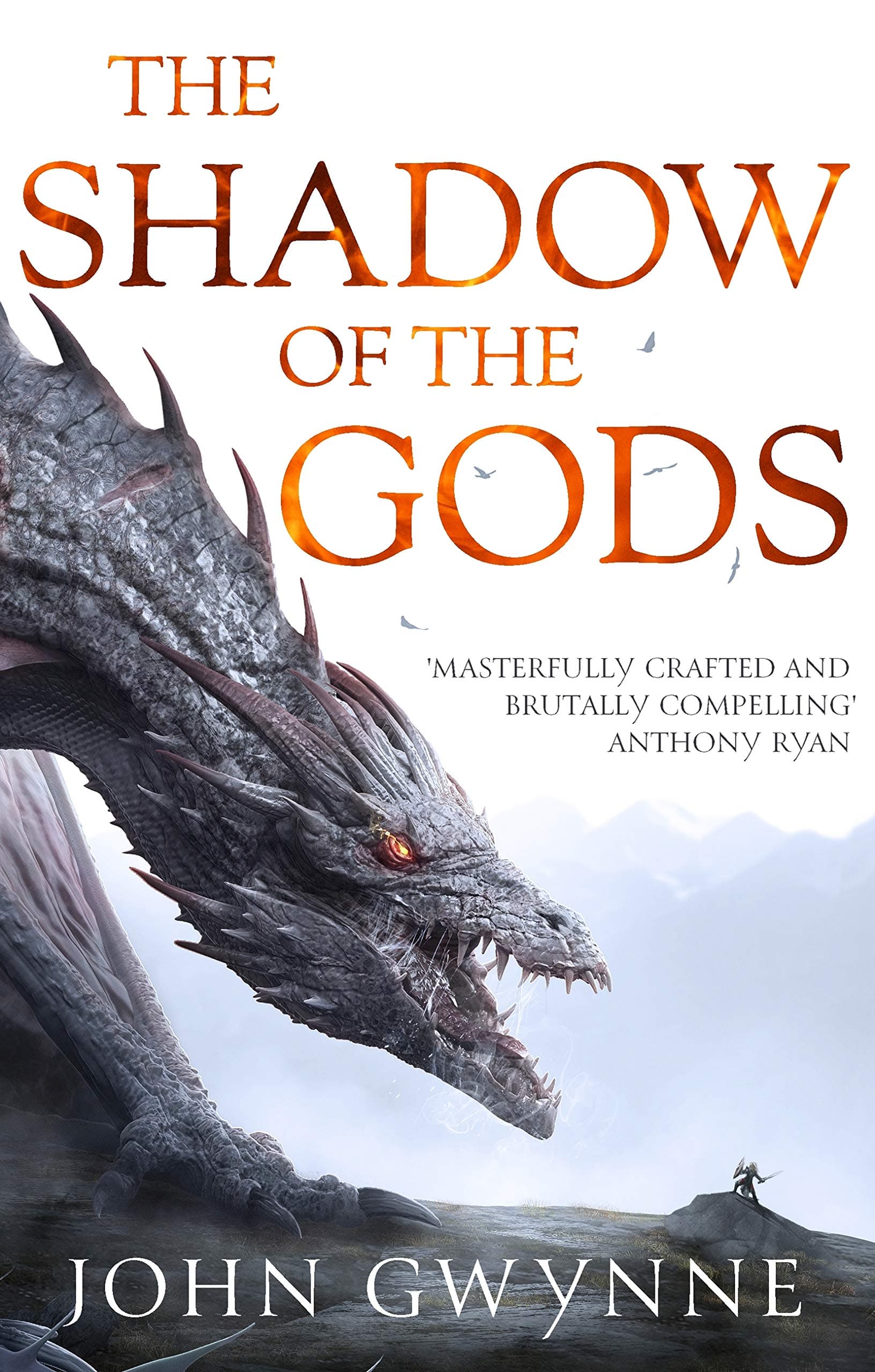
The Shadow of the Gods
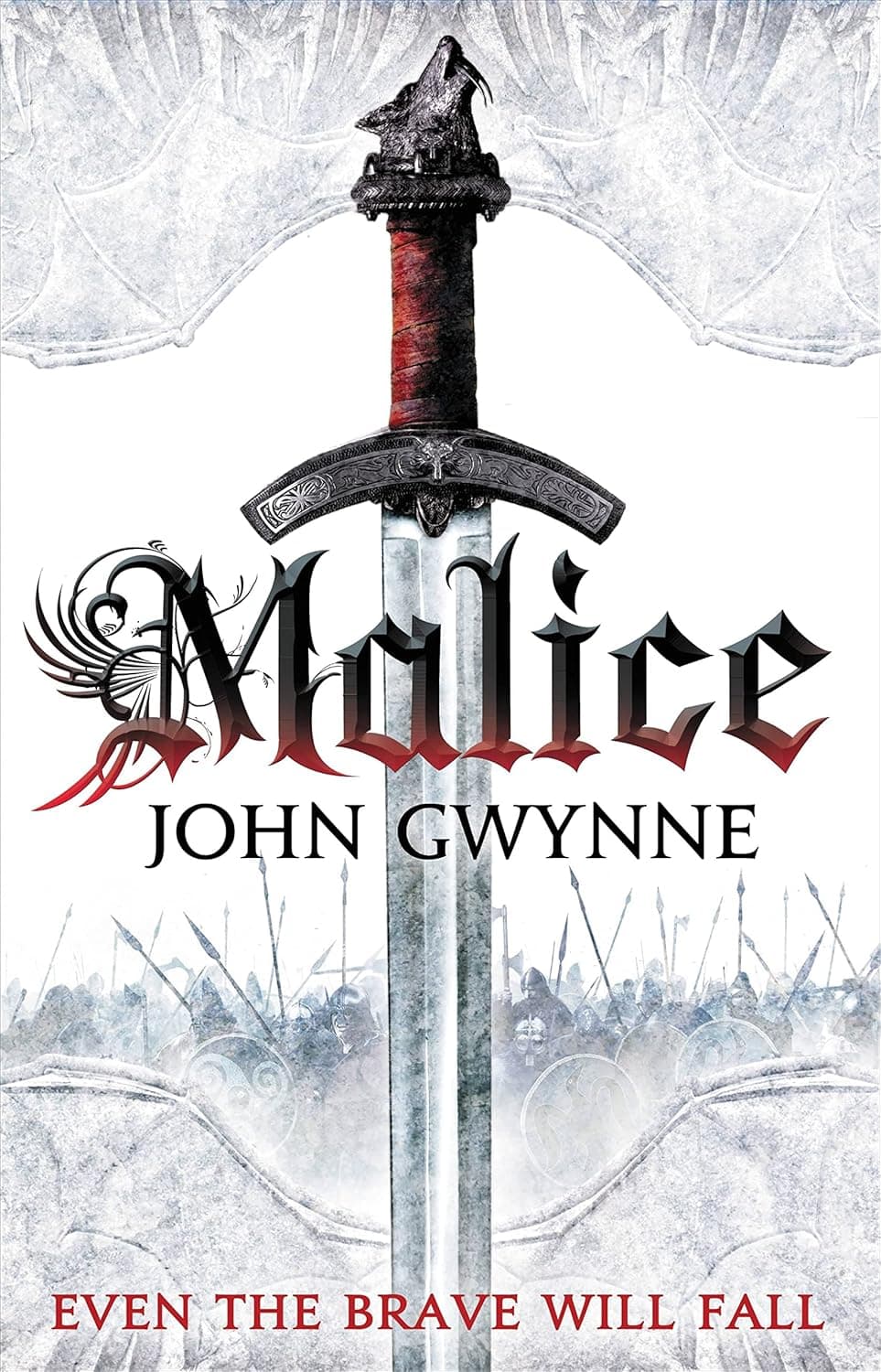
Malice
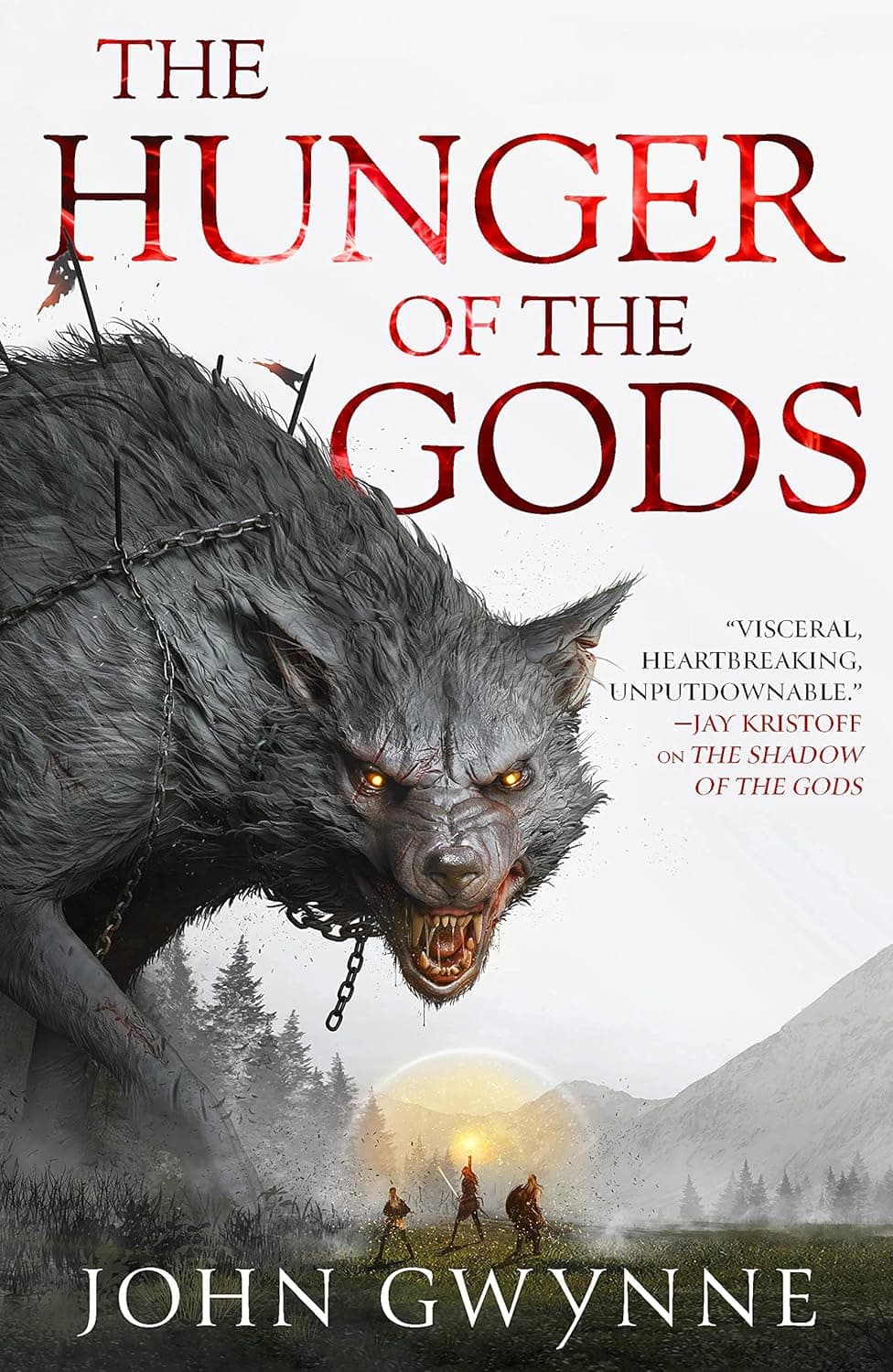
The Hunger of the Gods

Valor
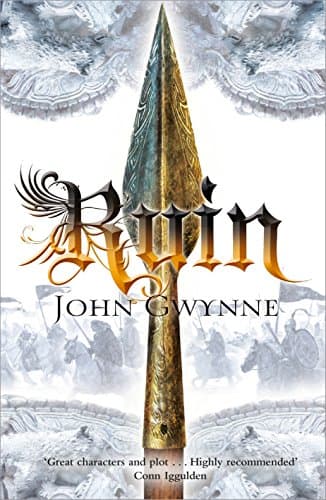
Ruin
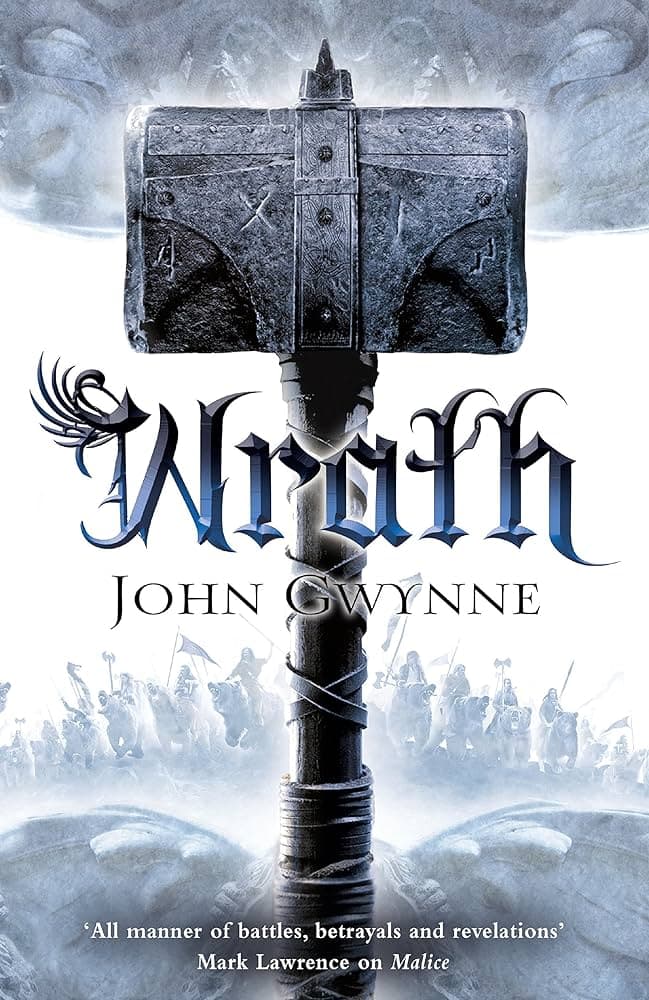
Wrath