Jeannette Walls
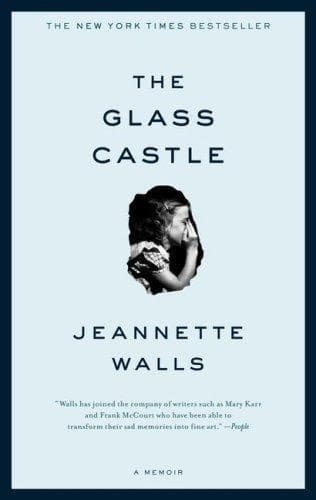
Unconventional family dynamics and nomadic childhood experiences form the central focus of memoirs that resonated with readers across dozens of languages. Jeannette Walls gained major recognition with her 2005 memoir, The Glass Castle, which detailed her chaotic upbringing and spent over 400 weeks on the New York Times bestseller list while earning an Alex Award and a Christopher Award.
Career & Background
Born on April 21, 1960, in Phoenix, Arizona, Walls grew up traveling frequently with her family before moving to New York City. She graduated with honors in 1984 from Barnard College, the women's college affiliated with Columbia University. Walls pursued a career as a writer and journalist, authoring the Intelligencer column for New York magazine from 1987 to 1993 and later writing about public figures for Esquire magazine between 1993 and 1998. She subsequently served as a prominent gossip columnist for MSNBC.com, authoring the Scoop column beginning in 1998.
In 2000, Walls published her first book, Dish: The Inside Story on the World of Gossip, drawing on her extensive media experience to explore the history and influence of gossip reporting in American culture. Five years later, she published The Glass Castle, which recounted her personal history of growing up in poverty with her father, Rex, and her mother, Rose Mary. Following the success of her memoir, Walls published Half Broke Horses in 2009, a true-life novel based on the life of her maternal grandmother, Lily Casey Smith. She expanded her fiction bibliography further with The Silver Star, which became another New York Times bestseller.
Writing Style & Themes
Walls writes with a direct, non-judgmental style that treats complex family struggles with clarity and emotional honesty. Her works frequently examine themes of self-reliance, resilience, adolescent development, and the long-term impact of parental alcoholism and neglect. By blending journalistic precision with intimate personal narrative, her stories explore how individuals navigate hardship and construct their own identities despite severe childhood instability.
Major Works
- The Glass Castle — Published in 2005, this memoir chronicles Walls's nomadic, impoverished childhood with her parents and siblings. It spent over 421 weeks on the New York Times bestseller list and received both an Alex Award and a Christopher Award in 2006.
- Dish: The Inside Story on the World of Gossip — Published in 2000, this non-fiction book examines the cultural role, history, and media industry surrounding gossip journalism in the United States.
- Half Broke Horses — Published in 2009, this biographical novel based on the life of Walls's grandmother, Lily Casey Smith, was selected as one of the ten best books of the year by The New York Times Book Review.
- The Silver Star — A New York Times bestselling novel that explores sisterhood and family challenges through the perspectives of young protagonists navigating neglect and hardship.