Jason Schreier
Investigative reporting on the internal operations, labor practices, and development turmoil of the video game industry has shed light on how modern interactive media is created. Journalist Jason Schreier established a prominent voice in tech and entertainment reporting through detailed behind-the-scenes accounts of major studio projects, including his landmark non-fiction book Blood, Sweat, and Pixels: The Triumphant, Turbulent Stories Behind How Video Games Are Made.
By documenting the human cost behind blockbuster entertainment, his work examines crunch culture, sudden studio closures, and executive decision-making across major publishing houses. His investigative books offer readers unprecedented access to developer testimonies, structural industry cycles, and the creation histories of world-renowned gaming franchises.
Career & Background
Born on May 10, 1987, Schreier graduated from New York University before beginning his professional reporting career around 2010. From 2011 to 2020, he served as a news reporter for Kotaku, where he built a reputation for breaking investigative stories regarding game delays, workplace culture issues, and mandatory overtime practices known within the industry as crunch.
In April 2020, Schreier joined Bloomberg News as part of its technology reporting team, where he continues to cover major developments, corporate changes, and labor conditions across the global video game sector. In addition to his reporting and book releases, he co-hosts the Triple Click podcast and lives in Westchester, New York.
Writing Style & Themes
Schreier's investigative style relies on primary interviews with game developers, studio leaders, and industry workers to reconstruct the complex development cycles of software production. Rather than focusing on consumer reviews or corporate announcements, his narrative approach highlights management strategy, economic volatility, project delays, and developer burnout.
A central theme throughout his work is the tension between creative artistic ambition and business management. His books document how changing corporate priorities, technological shifts, and tight deadlines shape the final product, providing readers with clear context regarding why high-profile projects succeed, shift focus, or face cancellation.
Major Works
- Blood, Sweat, and Pixels: The Triumphant, Turbulent Stories Behind How Video Games Are Made — This non-fiction book explores the chaotic and demanding development process of modern video games through ten individual case studies. Based on extensive interviews, it documents the technical challenges, creative changes, and long hours behind titles from both independent studios and major corporate developers.
- Press Reset — This New York Times bestselling investigation examines the volatility of the video game industry, specifically looking at why studios close down and what happens to employees when projects end. It details the personal and economic impact of sudden layoffs while showing how workers rebuild their careers after studio closures.
- Play Nice: The Rise, Fall, and Future Of Blizzard Entertainment — This detailed history traces Blizzard Entertainment from its beginnings as a small studio founded by UCLA students to its growth into a major video game empire behind franchises like Diablo and World of Warcraft. The book chronicles the executive decisions, cultural changes, and corporate challenges that shaped the company over decades.
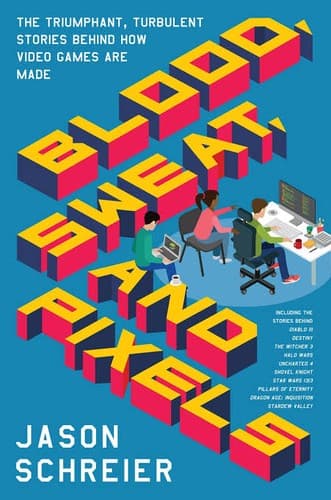
Blood, Sweat, and Pixels: The Triumphant, Turbulent Stories Behind How Video Games Are Made