Homer
Also known as Ὅμηρος, Hómēros
The foundational epic poems of ancient Greek literature established the enduring structure of heroic narrative and mythological storytelling in Western culture. The Odyssey, along with its companion epic The Iliad, preserves legendary tales of war, divine intervention, and long journeys home. Homer is conventionally credited as the ancient Greek poet responsible for these two seminal compositions, which originated within an oral tradition of singing poets before being committed to text.
Career & Background
Historical details regarding Homer remain obscure, leading to centuries of scholarly debate over the poet's true identity, origin, and exact timeframe. Ancient traditions assigned various dates to his life, with the historian Herodotus placing him around 850 BCE, while other ancient accounts suggested dates near the Trojan War in the twelfth century BCE or around the eighth or seventh centuries BCE. Regions such as Ionia in present-day Turkey were traditionally named as his birthplace, and ancient depictions commonly portrayed him as a blind, bearded singer. Scholars frequently refer to the uncertainty surrounding his single authorship as the Homeric Question, considering whether the epics were composed by one individual or compiled over generations from older oral material by multiple singer-poets.
Writing Style & Themes
Composed in dactylic hexameter, the epics were structured for oral recitation and memory transmission, drawing upon a shared pool of Greek mythology and theology. Together with the works of Hesiod, the poems provided ancient Greek society with a comprehensive framework regarding the attributes, rivalries, and interventions of the gods. The narratives explore themes of mortal heroism, honor, divine justice, fate, military conflict, and the psychological burden of long journeys. The intricate plots balance grand heroic battles with personal human struggles, establishing literary techniques that shaped classical antiquity and subsequent Western narrative traditions.
Major Works
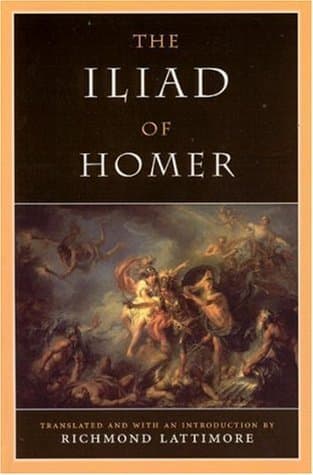
- The Iliad — An ancient Greek epic poem set during the final year of the Trojan War, focusing on heroic conflict, divine intervention, and the tragic consequences of anger among Greek warriors.
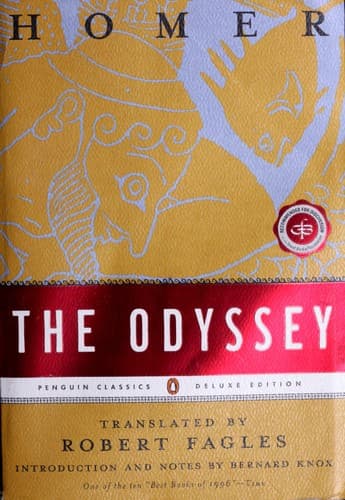
- The Odyssey — An epic tale detailing the ten-year voyage and homebound journey of Odysseus after the fall of Troy, highlighting themes of perseverance, trickery, family, and mortal survival against mythical obstacles.
The Odyssey