Herman Melville
Also known as Herman Melvill
Naval adventures, philosophical inquiry, and maritime realism converged in nineteenth-century American fiction through seminal sea narratives and allegories. Herman Melville emerged during the American Renaissance as an American novelist, short story writer, essayist, and poet whose works are often classified as part of dark romanticism. His epic novel Moby Dick established a unique literary blend of whaling lore, tragic drama, and metaphysical reflection.
Career & Background
Born in New York City on August 1, 1819, as Herman Melvill, he was raised in New York City and upstate New York. After his merchant father Allan died following a business failure, Melville left school and attempted to support his family by working as a clerk, teacher, and bank employee before taking to the sea. His experiences as a seaman inspired his writing, and his romanticized Polynesian adventure Typee became his first literary success in 1846. Though he published several sea narratives, his complex later works received little commercial success during his lifetime, leading him to work as a customs inspector in New York City until his death on September 28, 1891. A Melville revival beginning around the 1919 centennial of his birth ultimately brought his work widespread critical acclaim.
Writing Style & Themes
Associated with dark romanticism, Melville's writing features deep psychological investigation, rich symbolism, and an exploration of moral ambiguity. His prose combines detailed technical knowledge of seafaring with philosophical inquiry, tragic drama, and high-style literary allusion. Beyond his long sea novels, his short stories and novella investigate themes of obsession, authority, isolation, and tragic fate.
Major Works
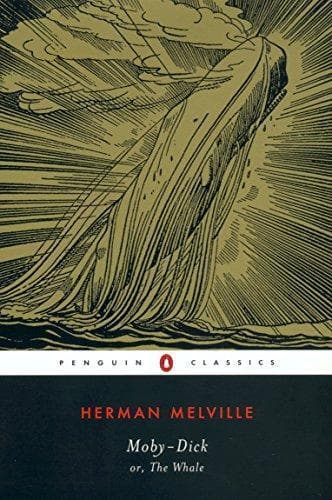
- Moby Dick — Published in 1851, this novel details Captain Ahab's obsessive hunt for a white whale, blending detailed accounts of the whaling industry with grand tragic drama.
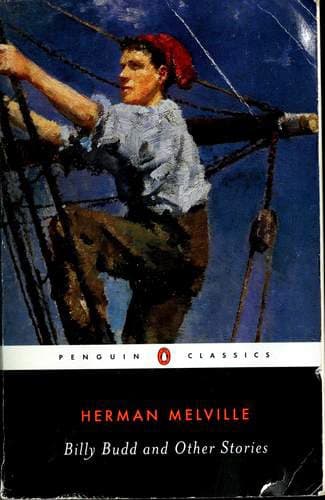
- Billy Budd, Sailor — Written toward the end of Melville's life and published posthumously, this novella recounts the tragic fate of an innocent young sailor aboard a British naval ship.
- Typee — Published in 1846 as Melville's debut work, this popular narrative was based on his personal experiences in Polynesia.
Moby Dick