Genki Kawamura
Also known as 川村元気, Kawamura Genki
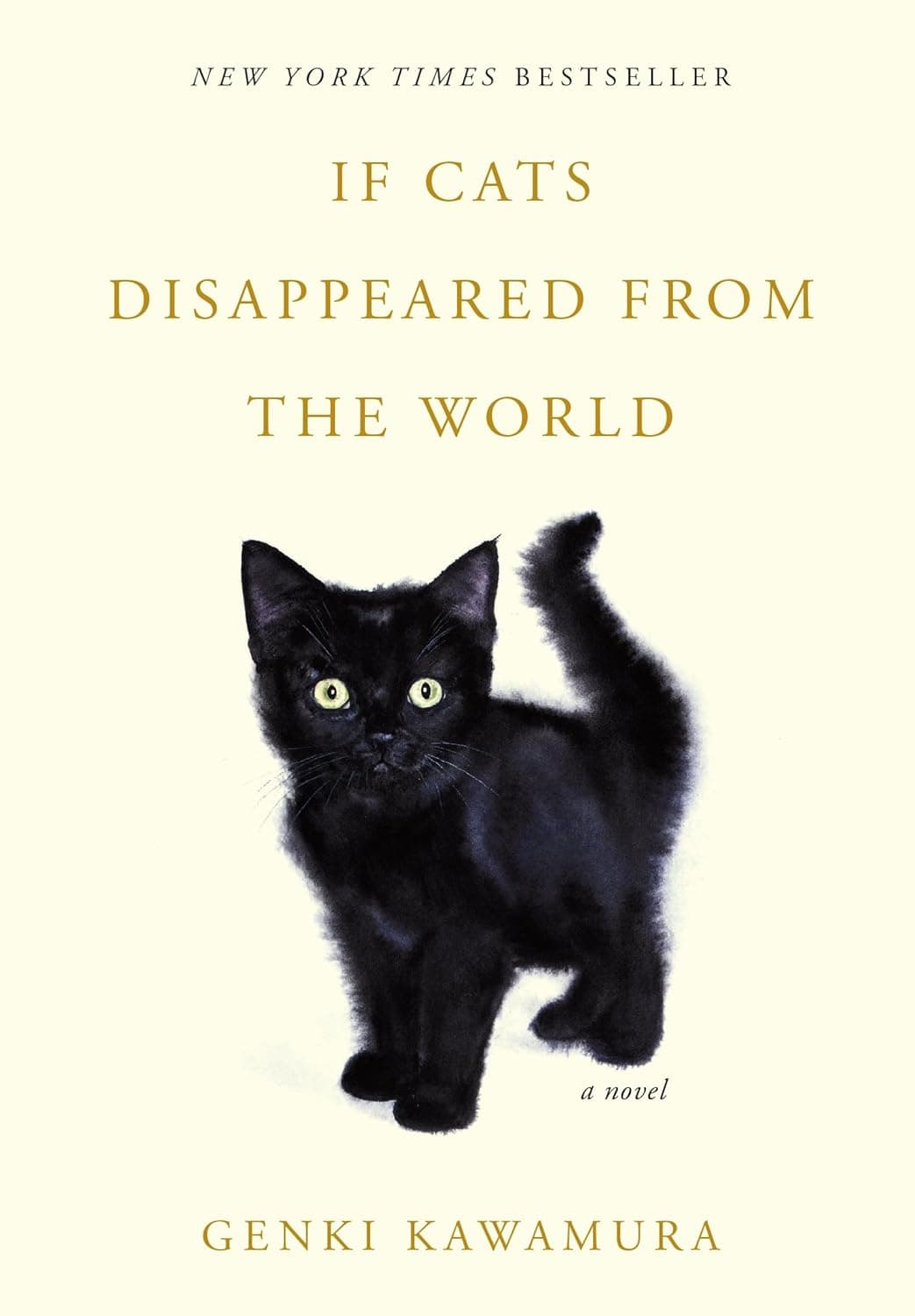
A poignant exploration of mortality, human connection, and what truly gives life value underpins the international bestseller If Cats Disappeared From The World. Written by Japanese author, filmmaker, and producer Genki Kawamura, the novel follows a terminally ill young mail carrier who is offered a deal by the Devil to extend his life by one day for every item he chooses to erase from existence. Through this reflective high-concept premise, the narrative examines how everyday objects, relationships, and memories shape our humanity.
Career & Background
Born on March 12, 1979, in Yokohama, Kanagawa Prefecture, Japan, Kawamura studied journalism at Sophia University before starting his entertainment career at Toho. He rapidly built a prominent career as a film producer, showrunner, director, and screenwriter, working on acclaimed anime and live-action films including Train Man, Confessions, Villain, Wolf Children, Your Name., Belle, Suzume, and Hirokazu Kore-eda's Monster. Kawamura became the youngest recipient in history of the prestigious Fujimoto Award for film producers, and in 2010 he was selected by The Hollywood Reporter as one of Next Generation Asia's promising talents.
Kawamura made his debut as a novelist in 2012 with If Cats Disappeared From The World, which gained massive popularity in Japan and internationally. The book was translated into English by Eric Selland, a poet and translator whose translation work previously reached the New York Times bestseller list in February 2014. Expanding his literary palette, Kawamura has also authored children's picture books such as Tinny & The Balloon, MOOM, and Patissier Monster. Beyond fiction writing, he made his feature film directorial debut with A Hundred Flowers (2022), adapted from his own novel One Hundred Flowers, which earned him the Best Director award at the San Sebastian Film Festival.
Writing Style & Themes
Kawamura's literary output bridges speculative premises and grounded emotional drama, examining the hidden costs of self-absorption, isolation, and loss in modern life. His narratives frequently present high-concept dilemmas that force characters to confront their deepest regrets, priorities, and personal relationships. By weaving cinematic pacing with introspective prose, he explores how human intimacy, love, and memory persist across an increasingly transactional world.
Major Works
- If Cats Disappeared From The World — First published in 2012, this debut novel centers on a young man facing a terminal diagnosis who bargains with the Devil to trade worldly items for extra days of life. Translated into English by Eric Selland, whose translation work hit bestseller lists in 2014, the book has been published internationally in over twenty languages.
- Million Dollar Man — A novel following a protagonist who navigates the sudden, overwhelming life changes that accompany a massive financial windfall, probing themes of wealth, greed, and true human worth.
- April Come She Will — A contemporary novel exploring romantic disillusionment, long-term relationships, and the search for authentic love in modern society.
- One Hundred Flowers — A deeply personal novel addressing memory loss, family dynamics, and dementia, which Kawamura later adapted into his award-winning 2022 feature film directorial debut.
- Tinny & The Balloon — A children's picture book written by Kawamura, demonstrating his creative breadth across different literary formats.
- MOOM — An illustrated children's book created by Kawamura that explores imagination and emotional growth for young readers.
- Patissier Monster — An inventive children's picture book combining playful narrative themes with illustrated storytelling.