
§Author· 1 book
Erich Maria Remarque
Also known as Erich Paul Remark
The literature of war changed dramatically with the publication of the 1928 anti-war novel All Quiet on the Western Front, which captured the stark reality of trench combat from the perspective of an ordinary soldier. Written by German novelist Erich Maria Remarque, the book became an international bestseller and helped pioneer a distinct literary genre centered on veterans writing directly about their wartime conflict and post-war trauma.
Career & Background
Born Erich Paul Remark in Osnabrück, Germany, in 1898, Remarque was educated in Catholic schools and was training to become a teacher when he was drafted into the Imperial German Army during World War I in November 1916. Sent to the Western Front, he served in an entrenchment unit until being severely wounded in July 1917, an injury that ended his prospective career as a concert pianist. After the war, he worked as a teacher, journalist, theater critic, and magazine writer while drafting fiction. Drawing directly on his personal military experiences, he wrote All Quiet on the Western Front (1928), which achieved immense global popularity and was later adapted into film multiple times.
Remarque's explicit anti-war themes drew fierce opposition from the Nazi regime in Germany, leading Nazi propaganda minister Joseph Goebbels to condemn his writings as unpatriotic. Facing political persecution, Remarque used his literary success to relocate first as a refugee to Switzerland and eventually to the United States, where he became a naturalized citizen before spending his final years in Locarno, Switzerland.
Writing Style & Themes
Remarque's writing style is characterized by direct, unvarnished prose that eschews romanticized heroics in favor of realistic depictions of trauma, comradeship, and disillusionment. His narratives frequently explore the devastating physical and psychological consequences of conflict on a generation of young soldiers whose lives were upended by war. Beyond military combat, his broader body of work examines themes of exile, political displacement, and the struggle to reconstruct personal identity in a disrupted post-war society.
Major Works
- All Quiet on the Western Front — Published in 1928, this landmark anti-war novel draws on Remarque's World War I military service to portray the harsh physical and psychological realities endured by young German soldiers on the Western Front.
§All Books
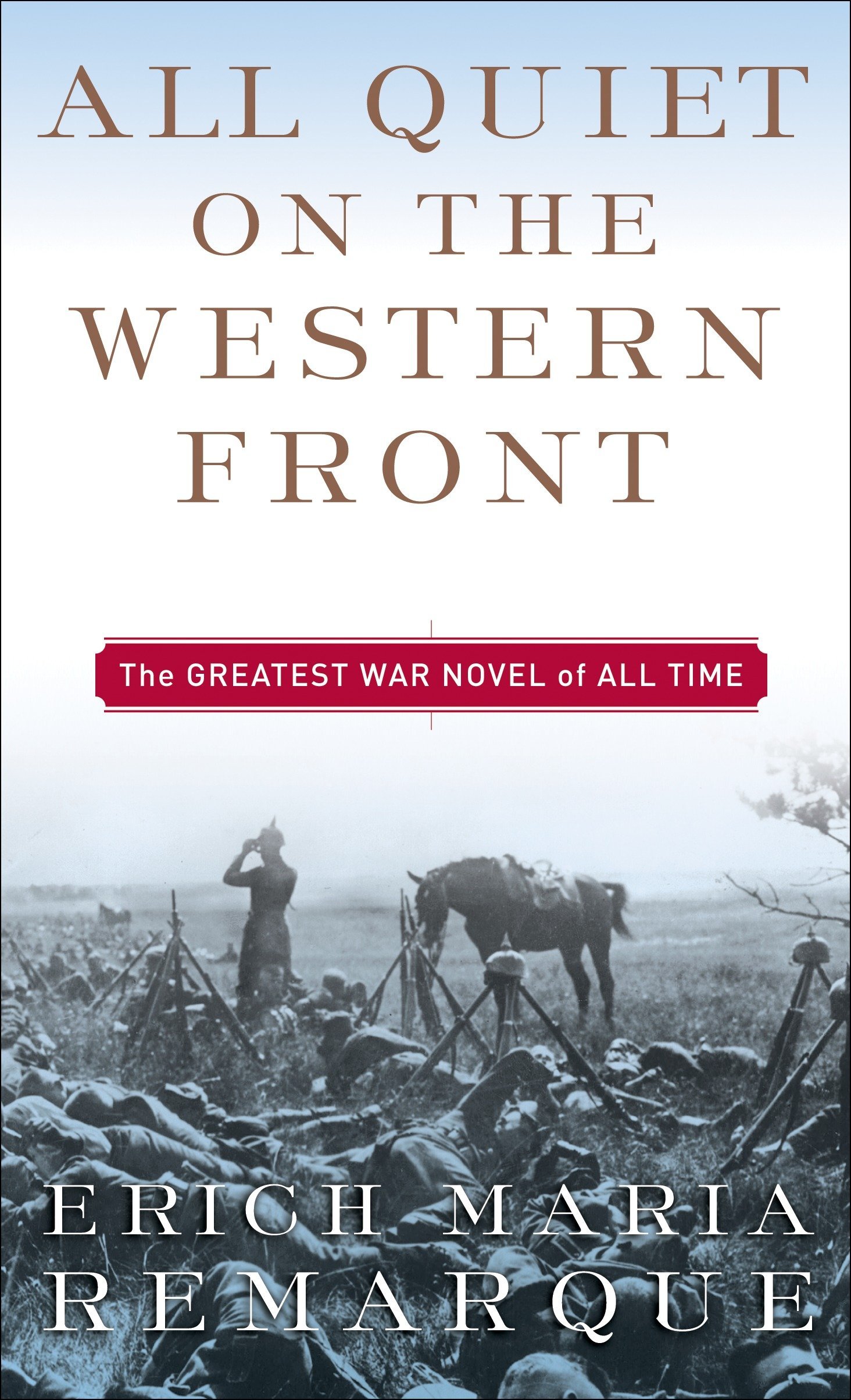
All Quiet on the Western Front
Erich Maria Remarque, 1928
667 ratings
§ About Erich Maria Remarque's books
- Books on SansFiction
- 1
- Published
- 1928
- Average rating
- 4.2 / 5 across 667 ratings
- Genres
- Comics, Historical Fiction, History, Soldiers
The book: All Quiet on the Western Front (1928)
In 1914 a room full of German schoolboys, fresh-faced and idealistic, are goaded by their schoolmaster to troop off to the ‘glorious war’. With the fire and patriotism of youth they sign up. What follows is the moving story of a young ‘unknown soldier’ experiencing the horror and disillusionment of life in the trenches.
Common questions about Erich Maria Remarque
- Who is Erich Maria Remarque?
- Born Erich Paul Remark in Osnabrück, Germany, in 1898, Remarque was educated in Catholic schools and was training to become a teacher when he was drafted into the Imperial German Army during World War I in November 1916. Sent to the Western Front, he served in an entrenchment unit until being severely wounded in July 1917, an injury that ended his prospective career as a concert pianist.
- What is Erich Maria Remarque best known for?
- Erich Maria Remarque is best known for All Quiet on the Western Front, published in 1928 with 667 ratings and a 4.2 average. It is the most-rated of Erich Maria Remarque's books on SansFiction.
- What genres does Erich Maria Remarque write?
- Erich Maria Remarque's books on SansFiction are tagged Comics, Historical Fiction, History and Soldiers.
Explore: Comics · Historical Fiction · History · Soldiers