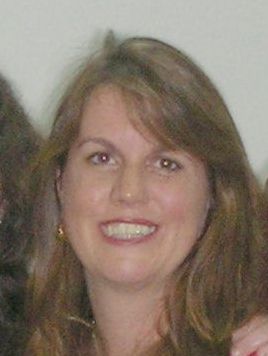
§Author· 1 book
Elizabeth Kostova
Also known as Elizabeth Johnson, Elizabeth Johnson Kostova
Blending meticulous historical research with Gothic mystery and regional folklore, literary fiction that examines academic obsession and cultural heritage found a massive global audience with the publication of The Historian. Author Elizabeth Kostova drew upon European history, archival research, and classic vampire lore to craft an intricate narrative spanning multiple decades and continents. Her debut novel achieved unprecedented commercial success, entering the New York Times Bestseller List at number one and introducing readers to a detailed style of historical suspense.
Career & Background
Born Elizabeth Johnson in New London, Connecticut, in 1964 and raised in Knoxville, Tennessee, Kostova developed an early fascination with storytelling and libraries. Her mother, a librarian, regularly took Kostova and her sisters to the public library, where they were permitted to check out up to 30 books at a time and kept a dedicated shelf for their reading. Her passion for European history and vampire folklore began in 1972, when her family lived in Ljubljana, Slovenia, while her father taught urban planning at a local university. During that year, the family traveled across Europe, an experience Kostova later cited as the formative experience of her childhood. She pursued her higher education at Yale University, graduating with a bachelor's degree in 1988, before studying Slavonic music and earning a Master of Fine Arts from the University of Michigan. In 1989, she traveled to Bulgaria, arriving just as the communist regime ended, an experience that deepened her ties to Eastern Europe and led to her marrying Gyorgi Kostov in 1990. She later established the Elizabeth Kostova Foundation to support Bulgarian creative writing.
Writing Style & Themes
Kostova's prose is characterized by expansive world-building, epistolary techniques, art history, and deep archival investigation. Her narratives frequently feature scholars, artists, and travelers who unravel long-buried secrets through letters, manuscripts, and geographic journeys. Crossing boundaries between historical fiction, psychological study, and thriller traditions, her work emphasizes the lingering impact of past political regimes, fine art, and cultural identity across generations.
Major Works
- The Historian — Published in 2005, this debut novel weaves together three generations of academics searching for the tomb of Vlad the Impaler and the origin of the Dracula legend. It became the first debut novel in U.S. publishing history to enter the New York Times Bestseller List at number one, winning the Lord Ruthven Award, Quill Award, and Independent Bookseller Award while being translated into 40 languages.
- The Swan Thieves — Released in 2010, this novel centers on a psychiatrist attempting to understand a painter's sudden obsession with a nineteenth-century Impressionist canvas, exploring themes of art history, secret passion, and creative madness.
- The Shadow Land — Published in 2017, this narrative follows a young American woman traveling in Bulgaria who accidentally acquires an urn containing human ashes, plunging her into a mystery surrounding the country's turbulent twentieth-century political history.
- Mystery Play — Slated for publication in 2026, this novel continues Kostova's focus on complex mystery narratives and character-driven historical inquiry.
§All Books

The Historian
Elizabeth Kostova, 2005
292 ratings
§ About Elizabeth Kostova's books
- Books on SansFiction
- 1
- Published
- 2005
- Average rating
- 3.7 / 5 across 292 ratings
- Genres
- Adventure, General, Historical Fiction, Horror Tales
The book: The Historian (2005)
To you, perceptive reader, I bequeath my history....Late one night, exploring her father's library, a young woman finds an ancient book and a cache of yellowing letters.
Common questions about Elizabeth Kostova
- Who is Elizabeth Kostova?
- Born Elizabeth Johnson in New London, Connecticut, in 1964 and raised in Knoxville, Tennessee, Kostova developed an early fascination with storytelling and libraries. Her mother, a librarian, regularly took Kostova and her sisters to the public library, where they were permitted to check out up to 30 books at a time and kept a dedicated shelf for their reading.
- What is Elizabeth Kostova best known for?
- Elizabeth Kostova is best known for The Historian, published in 2005 with 292 ratings and a 3.7 average. It is the most-rated of Elizabeth Kostova's books on SansFiction.
- What genres does Elizabeth Kostova write?
- Elizabeth Kostova's books on SansFiction are tagged Adventure, General, Historical Fiction and Horror Tales.
Explore: Adventure · General · Historical Fiction · Horror Tales