
§Author· 7 books
Dr. Seuss
Also known as Theodor Seuss Geisel, Doctor Seuss, Theo. LeSieg, Rosetta Stone
Children's picture books characterized by whimsical rhyming verse, imaginative creatures, and distinct visual design transformed mid-twentieth-century early reading literature, producing widely read classics such as How the Grinch Stole Christmas!. Theodor Seuss Geisel, writing under the primary pen name Dr. Seuss, was an American children's author, illustrator, animator, and cartoonist who wrote and illustrated more than 60 books during his career.
Career & Background
Born on March 2, 1904, in Springfield, Massachusetts, Geisel attended Dartmouth College, where he served as editor-in-chief of the humor magazine Jack-O-Lantern and adopted the alias Dr. Seuss. He pursued postgraduate studies in literature at Lincoln College, Oxford, and attended the Sorbonne, but left Oxford in 1927 without a degree to begin a career as a magazine illustrator, humorist, and advertising artist. He published his first children's book, And to Think That I Saw It on Mulberry Street, in 1937 under the name Dr. Seuss. Over a career spanning several decades, his published works sold over 600 million copies and were translated into more than 20 languages.
Writing Style & Themes
Geisel's work is celebrated for its inventive cadence, anapestic meter, and expressive cartoon illustrations featuring surreal landscapes and fantastical animals. Beyond entertaining young readers with rhythmic tongue-twisters in works like Fox in Socks and constrained-vocabulary beginner texts like Green Eggs and Ham, his narratives frequently addressed underlying social and moral themes. His books examined environmental conservation in The Lorax, prejudice and social division in The Sneetches and Other Stories, and community responsibility and empathy in Horton Hears a Who!.
Major Works
- How the Grinch Stole Christmas! — A classic holiday story following a grumpy creature who attempts to erase Christmas in Whoville, only to discover the deeper meaning of community and celebration.
- Green Eggs and Ham — A renowned beginner reader book using a restricted vocabulary and rhythmic repetition to encourage early literacy.
- The Lorax — A fable warning against industrial greed and deforestation, told through the voice of a creature who speaks for the trees.
- Horton Hears a Who! — A narrative about an elephant defending a tiny world on a dust speck, exploring themes of universal dignity and protection.
- Fox in Socks — A playful, tongue-twisting picture book designed to challenge and expand young readers' spoken language skills.
- The Sneetches and Other Stories — A collection of illustrated stories satirizing prejudice, status seeking, and commercial exploitation.
- And to Think That I Saw It on Mulberry Street — Geisel's 1937 debut children's book under the Dr. Seuss pseudonym, detailing a young boy's elaborate imagination.
§All Books
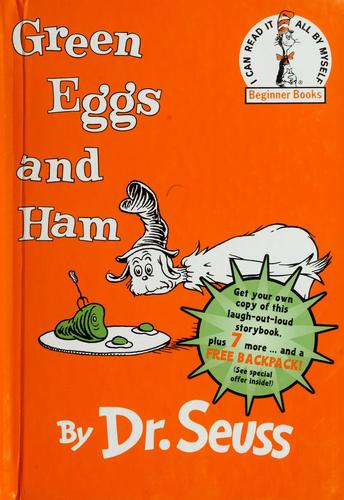
Green Eggs and Ham
Dr. Seuss, 1913
537 ratings
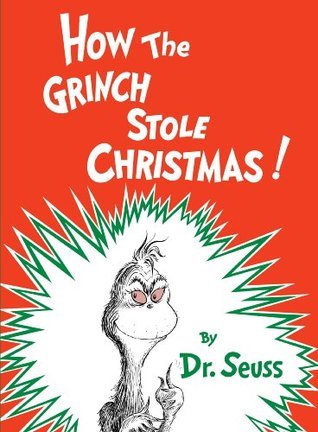
How the Grinch Stole Christmas!
Dr. Seuss, 1957
276 ratings
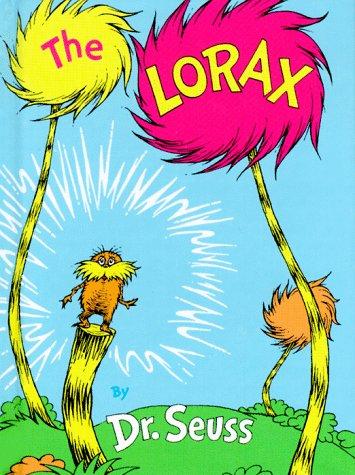
The Lorax
Dr. Seuss, 1911
251 ratings
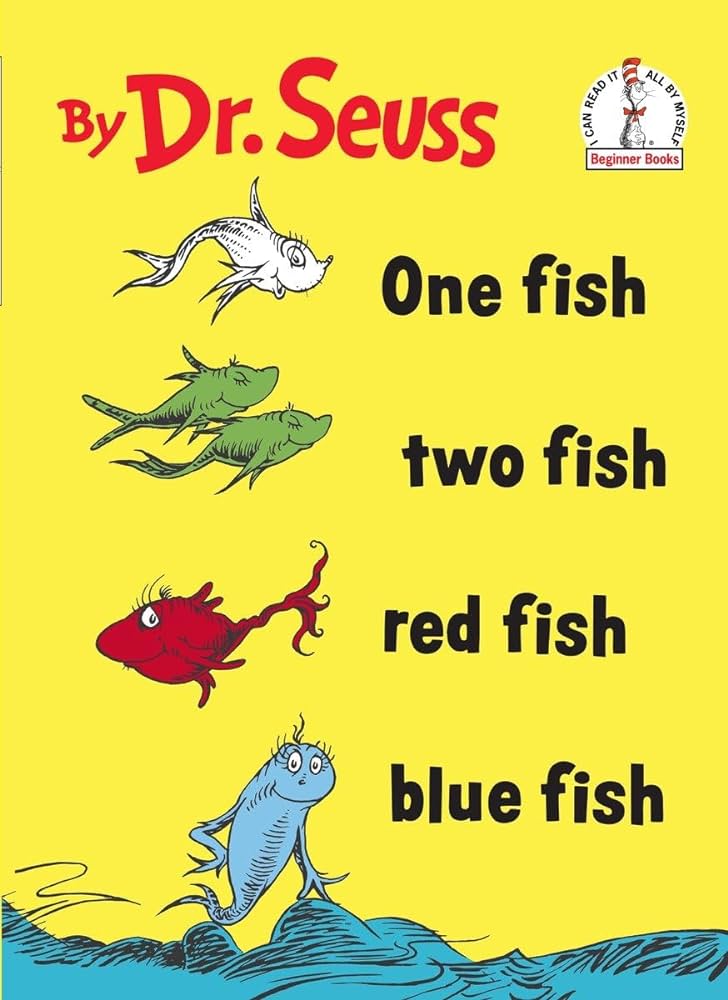
One Fish, Two Fish, Red Fish, Blue Fish
Dr. Seuss, 1960
121 ratings
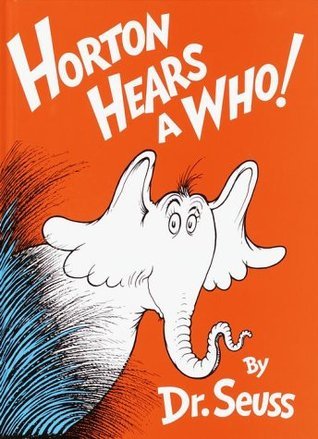
Horton Hears a Who!
Dr. Seuss, 1954
102 ratings
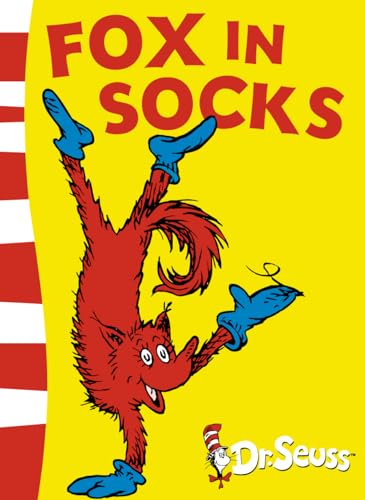
Fox in Socks
Dr. Seuss, 1961
55 ratings
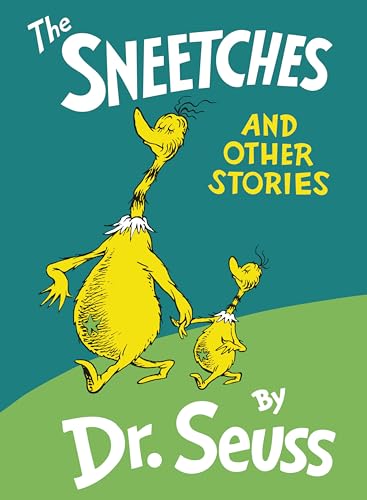
The Sneetches and Other Stories
Dr. Seuss, 1961
49 ratings
§ About Dr. Seuss's books
- Books on SansFiction
- 7
- Published
- 1911–1961
- Average rating
- 4.2 / 5 across 1,391 ratings
- Genres
- Classics, Fantasy, Fiction, Children'S Stories
Start here: Green Eggs and Ham (1913)
“Do you like green eggs and ham?” asks Sam-I-am in this Beginner Book by Dr. Seuss. In a house or with a mouse? In a boat or with a goat? On a train or in a tree? Sam keeps asking persistently. With unmistakable characters and signature rhymes, Dr. Seuss’s beloved favorite has cemented its place as a children’s classic.
Common questions about Dr. Seuss
- Who is Dr. Seuss?
- Born on March 2, 1904, in Springfield, Massachusetts, Geisel attended Dartmouth College, where he served as editor-in-chief of the humor magazine Jack-O-Lantern and adopted the alias Dr. Seuss. He pursued postgraduate studies in literature at Lincoln College, Oxford, and attended the Sorbonne, but left Oxford in 1927 without a degree to begin a career as a magazine illustrator, humorist, and advertising artist.
- What is Dr. Seuss best known for?
- Dr. Seuss is best known for Green Eggs and Ham, published in 1913 with 537 ratings and a 4.2 average. It is the most-rated of Dr. Seuss's books on SansFiction.
- How many books has Dr. Seuss written?
- SansFiction lists 7 books by Dr. Seuss, published between 1911 and 1961. The most popular are Green Eggs and Ham, How the Grinch Stole Christmas!, The Lorax, One Fish, Two Fish, Red Fish, Blue Fish and Horton Hears a Who!.
- Which Dr. Seuss book should I read first?
- Green Eggs and Ham is the usual place to start: it is Dr. Seuss's most-rated book here, with a 4.2 average.
- What genres does Dr. Seuss write?
- Dr. Seuss's books on SansFiction are tagged Classics, Fantasy, Fiction and Children'S Stories.
Explore: Classics · Fantasy · Fiction · Children'S Stories