
§Author· 6 books
David Wong
Also known as Jason Pargin, Jason Keith Pargin
Jason Pargin (born January 10, 1975), known by his pen name David Wong, is an American humor writer. He is the executive editor of humor website Cracked.com, a recurring guest in the Cracked Podcast and has written four novels, John Dies at the End (2007), This Book Is Full of Spiders (2012), Futuristic Violence and Fancy Suits (2015), and What the Hell Did I Just Read (2017). John Dies at the End was adapted into a film of the same name in 2012.
Source: David Wong on Wikipedia.
§All Books
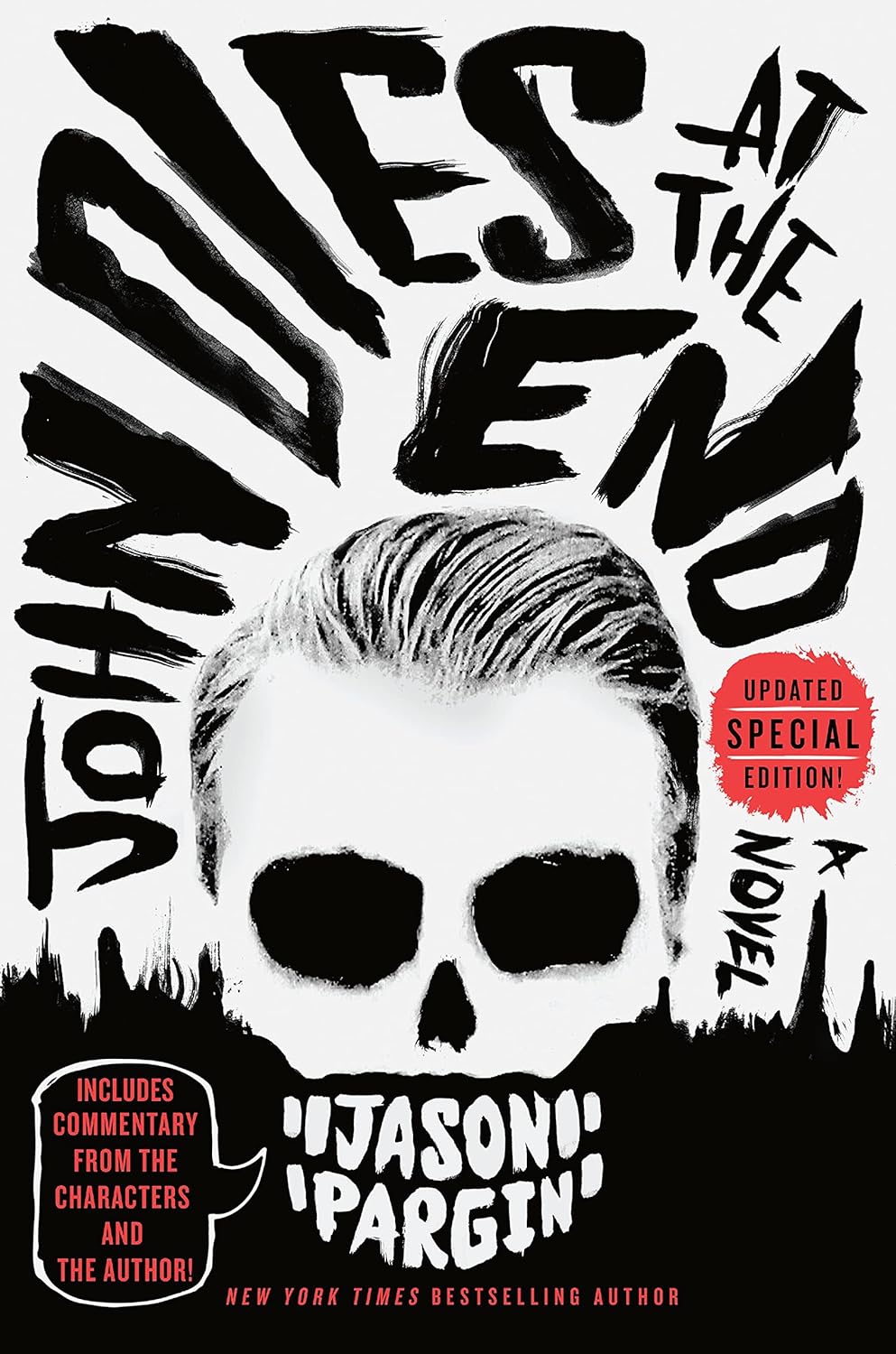
John Dies at the End
David Wong, 2010
498 ratings

Futuristic Violence and Fancy Suits
David Wong, 2015
150 ratings
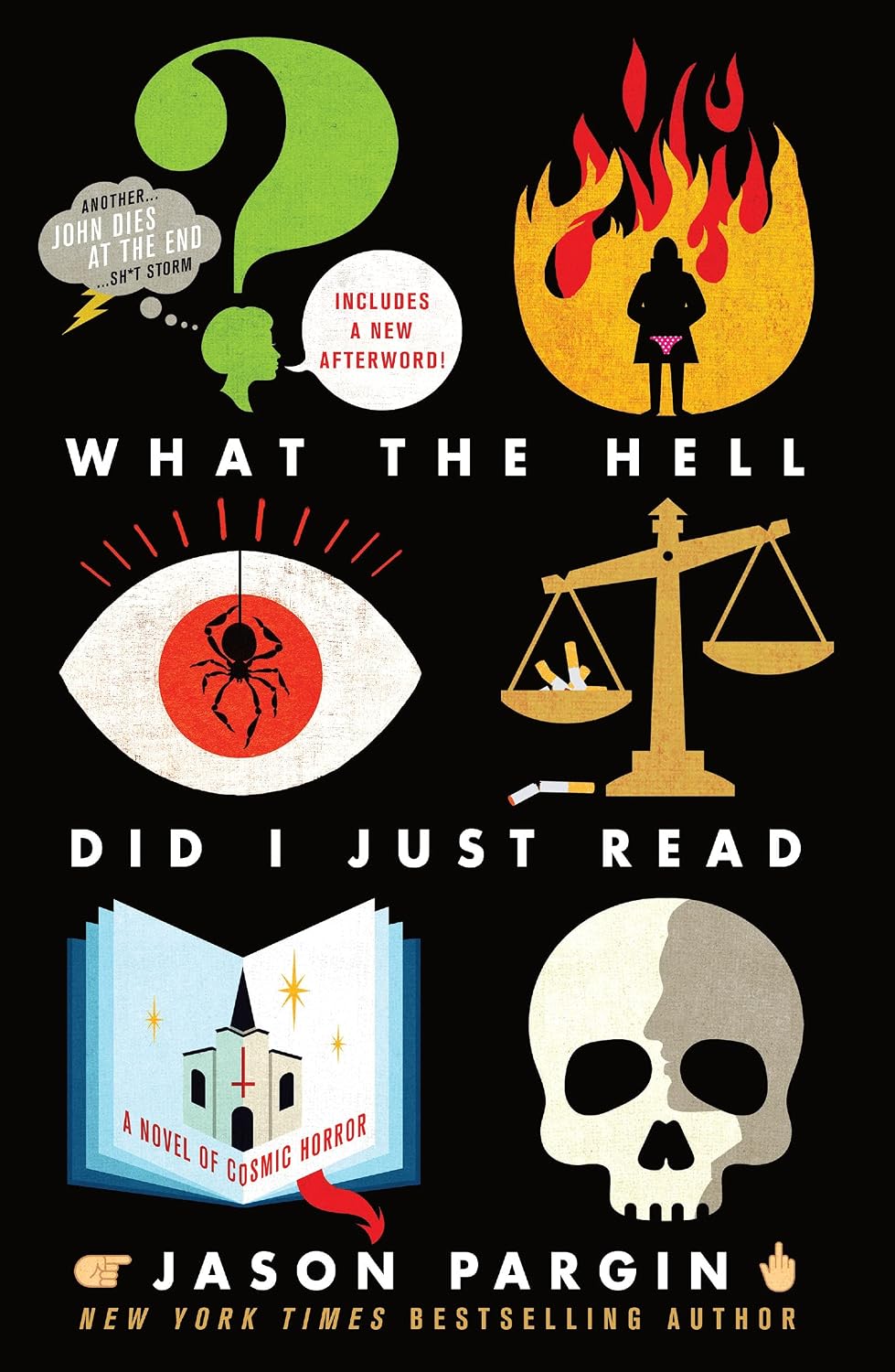
What the Hell Did I Just Read
Jason Pargin, 2017
136 ratings

John meurt à la fin
David Wong, 2007

John Dies @ the End
David Wong, 2011

Alla fine John muore
David Wong, 2007
§ About David Wong's books
- Books on SansFiction
- 6
- Published
- 2007–2017
- Average rating
- 3.8 / 5 across 784 ratings
- Genres
- Adventure, Fantasy, Science Fiction, Fiction
- Series
- John Dies at the End
Start here: John Dies at the End (2010)
John Dies at the End is a genre-bending, humorous account of two college drop-outs inadvertently charged with saving their small town―and the world―from a host of supernatural and paranormal invasions. This updated special edition includes commentary from the characters and the author!
John Dies at the End: reading order
Common questions about David Wong
- Who is David Wong?
- Jason Pargin (born January 10, 1975), known by his pen name David Wong, is an American humor writer. He is the executive editor of humor website Cracked.com, a recurring guest in the Cracked Podcast and has written four novels, John Dies at the End (2007), This Book Is Full of Spiders (2012), Futuristic Violence and Fancy Suits (2015), and What the Hell Did I Just Read (2017).
- What is David Wong best known for?
- David Wong is best known for John Dies at the End, published in 2010 with 498 ratings and a 3.8 average. It is the most-rated of David Wong's books on SansFiction.
- How many books has David Wong written?
- SansFiction lists 6 books by David Wong, published between 2007 and 2017. The most popular are John Dies at the End, Futuristic Violence and Fancy Suits, What the Hell Did I Just Read, John meurt à la fin and John Dies @ the End.
- What order should I read David Wong's John Dies at the End books in?
- Read the John Dies at the End books in series order: 1. John Dies at the End, 1. John meurt à la fin, 1. John Dies @ the End, 1. Alla fine John muore, 3. What the Hell Did I Just Read.
- What genres does David Wong write?
- David Wong's books on SansFiction are tagged Adventure, Fantasy, Science Fiction and Fiction.
Explore: Adventure · Fantasy · Science Fiction · Fiction