
§Author· 2 books
Dan Brown
Also known as Daniel Gerhard Brown
Fast-paced thrillers constructed as high-stakes treasure hunts unfolding within compressed 24-hour timeframes have drawn millions of mystery and suspense enthusiasts worldwide. The most famous of these stories, The Da Vinci Code, introduced global audiences to symbologist Robert Langdon and sparked widespread debate over secret histories and religious iconography.
American thriller writer Dan Brown established his signature narrative model through intricate puzzles, hidden art history, and covert intelligence lore, creating one of the most widely read mystery franchises in modern publishing.
Career & Background
Born Daniel Gerhard Brown on June 22, 1964, in Exeter, New Hampshire, Dan Brown was raised on a prep school campus as the son of a mathematics teacher and a church organist. This unique upbringing exposed him to both rigorous analytical logic and sacred musical traditions, instilling an early fascination with the interplay between science and religion. Brown later attended Amherst College and worked as an English and Spanish teacher at a prep school. His interest in covert intelligence agencies and secret societies was sparked when the U.S. Secret Service visited his school after a student sent an email containing a joke about killing the president. Brown drew on this incident to research code breaking, publishing his first Robert Langdon novel, Angels & Demons, in 2000.
Brown achieved unprecedented commercial success with the publication of The Da Vinci Code in 2003. His Robert Langdon series expanded over the following decades with major bestsellers including The Lost Symbol in 2009, Inferno in 2013, Origin in 2017, and The Secret of Secrets in 2025. By 2009, his novels had sold over 80 million copies, and total global print runs eventually surpassed 250 million copies translated into over 40 languages.
Writing Style & Themes
Brown's novels are structured as rapid treasure hunts taking place over a tight 24-hour period. His narratives feature recurring elements of cryptography, keys, hidden symbols, ciphers, art history, and conspiracy theories. The central character across most of his work, Harvard professor Robert Langdon, navigates complex historical motifs, secret organizations, and theological mysteries.
Because his plots prominently integrate historical themes and Christianity, Brown's books have generated significant public controversy. Addressing these debates, Brown has stated on his website that his novels are not anti-Christian and that he considers himself to be on a "constant spiritual journey." He views The Da Vinci Code as an entertaining story designed to promote spiritual discussion and debate, suggesting it can serve as a positive catalyst for introspection and exploration of faith.
Major Works
- The Da Vinci Code — Published in 2003, this record-breaking blockbuster thriller follows symbologist Robert Langdon as he investigates a murder in the Louvre, uncovering a centuries-old conspiracy involving secret societies and religious history.
- The Secret of Secrets — A 2025 entry in the Robert Langdon thriller series that combines scientific formulas, religious rites, mysteries, and intricate codes as Langdon untangles a new web of international secrets.
§All Books
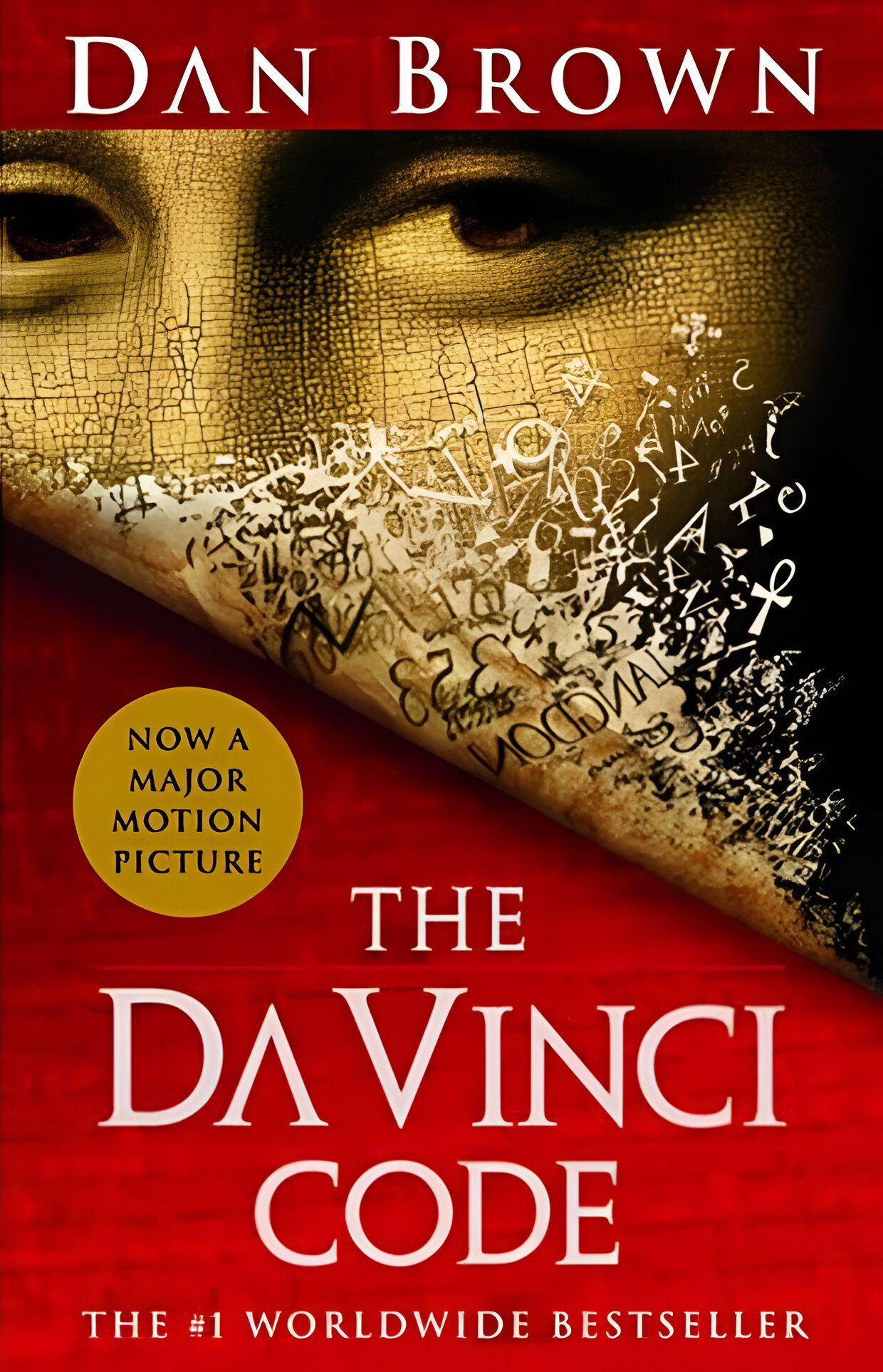
The Da Vinci Code
Dan Brown, 2003
2,297 ratings

The Secret of Secrets
Dan Brown, 2025
92 ratings
§ About Dan Brown's books
- Books on SansFiction
- 2
- Published
- 2003–2025
- Average rating
- 3.6 / 5 across 2,389 ratings
- Genres
- Adventure, Action & Adventure, Cryptographers, France
- Series
- Robert Langdon
Start here: The Da Vinci Code (2003)
The Da Vinci Code is a 2003 mystery thriller novel by Dan Brown. It is Brown's second novel to include the character Robert Langdon: the first was his 2000 novel Angels & Demons.
Robert Langdon: reading order
Common questions about Dan Brown
- Who is Dan Brown?
- Born Daniel Gerhard Brown on June 22, 1964, in Exeter, New Hampshire, Dan Brown was raised on a prep school campus as the son of a mathematics teacher and a church organist. This unique upbringing exposed him to both rigorous analytical logic and sacred musical traditions, instilling an early fascination with the interplay between science and religion.
- What is Dan Brown best known for?
- Dan Brown is best known for The Da Vinci Code, published in 2003 with 2,297 ratings and a 3.6 average. It is the most-rated of Dan Brown's books on SansFiction.
- How many books has Dan Brown written?
- SansFiction lists 2 books by Dan Brown, published between 2003 and 2025. The most popular are The Da Vinci Code and The Secret of Secrets.
- What order should I read Dan Brown's Robert Langdon books in?
- Read the Robert Langdon books in series order: 2. The Da Vinci Code, 6. The Secret of Secrets.
- What genres does Dan Brown write?
- Dan Brown's books on SansFiction are tagged Adventure, Action & Adventure, Cryptographers and France.
Explore: Adventure · Action & Adventure · Cryptographers · France