Cat Sebastian
Queer historical romance brings diverse LGBTQ+ characters to historical settings ranging from Regency England to mid-twentieth-century midtown Manhattan. Cat Sebastian entered the genre with her 2016 debut novel The Soldier's Scoundrel and has built a celebrated catalog of novels and novellas centered on happy endings for gay, bisexual, and nonbinary protagonists. Her 1950s-set newspaper romance We Could Be So Good received a 2024 Lambda Literary Award, highlighting her reputation for combining rich historical atmosphere with emotional intimacy.
Career & Background
Before becoming a full-time novelist, Cat Sebastian worked as a lawyer and a teacher alongside several other occupations. Born in New Jersey, she lived in New York and Arizona before settling in the American South. Sebastian transitioned into full-time fiction writing after debuting her first book in 2016, launching popular historical romance series such as the Turners series and Seducing the Sedgwicks. Her fiction has earned starred reviews from major literary trade publications, including Kirkus Reviews, Publishers Weekly, Library Journal, and Booklist.
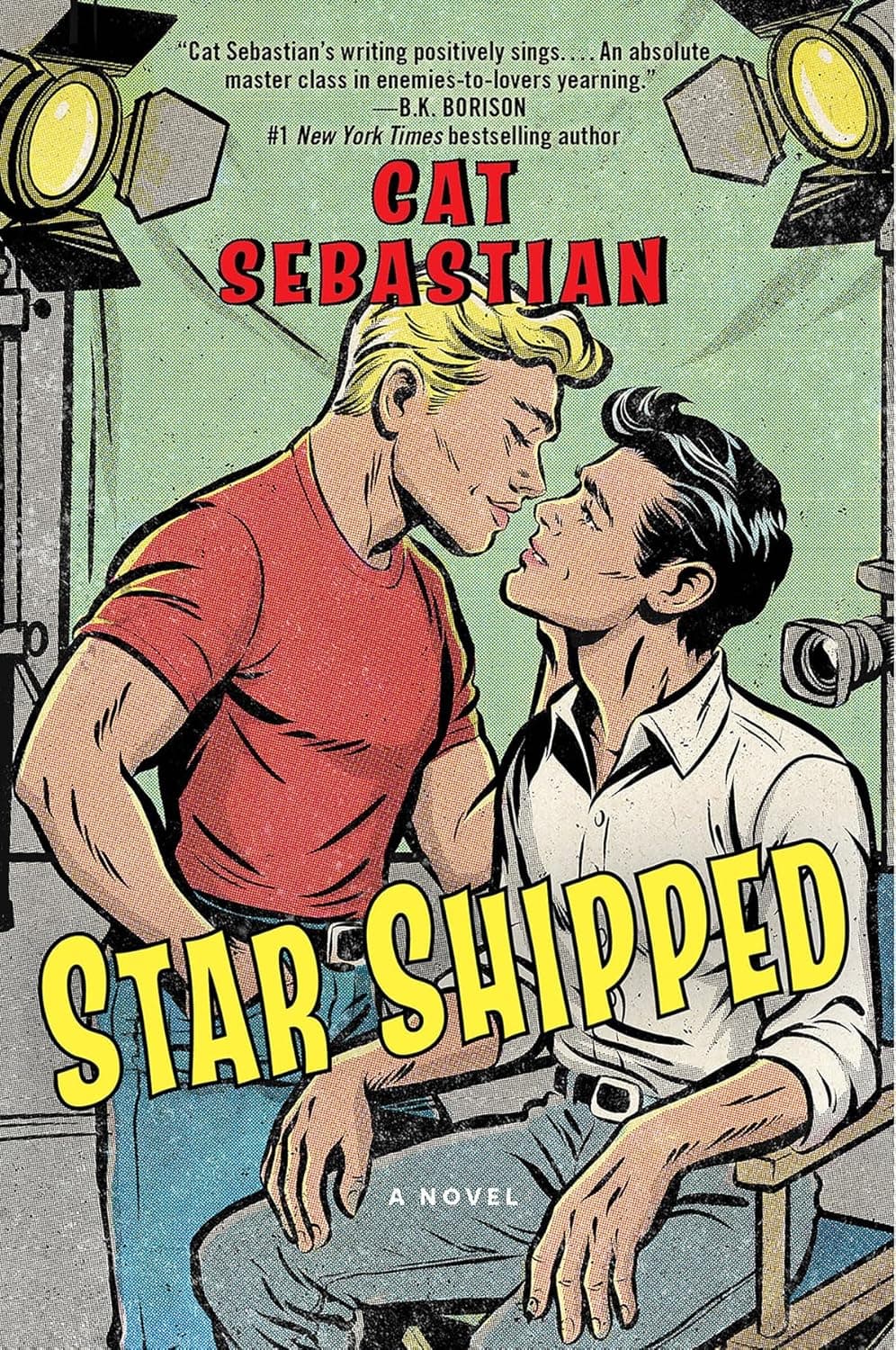
Throughout her writing career, Sebastian has expanded her scope beyond traditional Regency settings into mid-century American historical fiction and speculative romance. Her catalog includes mid-century titles such as You Should Be So Lucky as well as sci-fi romance releases like Star Shipped, demonstrating a broad storytelling range across various subgenres.
Writing Style & Themes
Sebastian's writing is distinguished by its focus on complex, deeply human characters navigating social constraints, personal vulnerabilities, and queer identity. Rather than dwelling on tragedy, her books prioritize hope and domestic warmth while remaining grounded in authentic historical detail. She blends elements of small-town mystery, domestic intimacy, and sharp interpersonal dialogue to build realistic character dynamics.
Recurring themes across her bibliography include found family, social justice, class differences, and emotional healing. Whether depicting nineteenth-century aristocrats in The Ruin of a Rake or mid-century newspaper reporters in New York City, her stories emphasize mutual respect and community support.
Major Works
- We Could Be So Good — Set in 1950s New York City, this newspaper-industry romance follows two journalists navigating mid-century societal expectations and personal commitment. The novel received starred reviews from multiple trade journals and won the 2024 Lambda Literary Award.
- You Should Be So Lucky — A mid-twentieth-century romance exploring grief, companionship, and new beginnings between a baseball player and a writer, expanding on the historical mid-century setting established in Sebastian's prior work.
- The Ruin of a Rake — Part of the Regency-era Turners series, this novel centers on a disgraced aristocrat and a respectable gentleman who must cooperate, combining traditional Regency romance conventions with queer character dynamics.
- Star Shipped — A speculative romance that demonstrates Sebastian's narrative range beyond historical fiction, bringing her character-driven romantic dynamics into a science fiction framework.
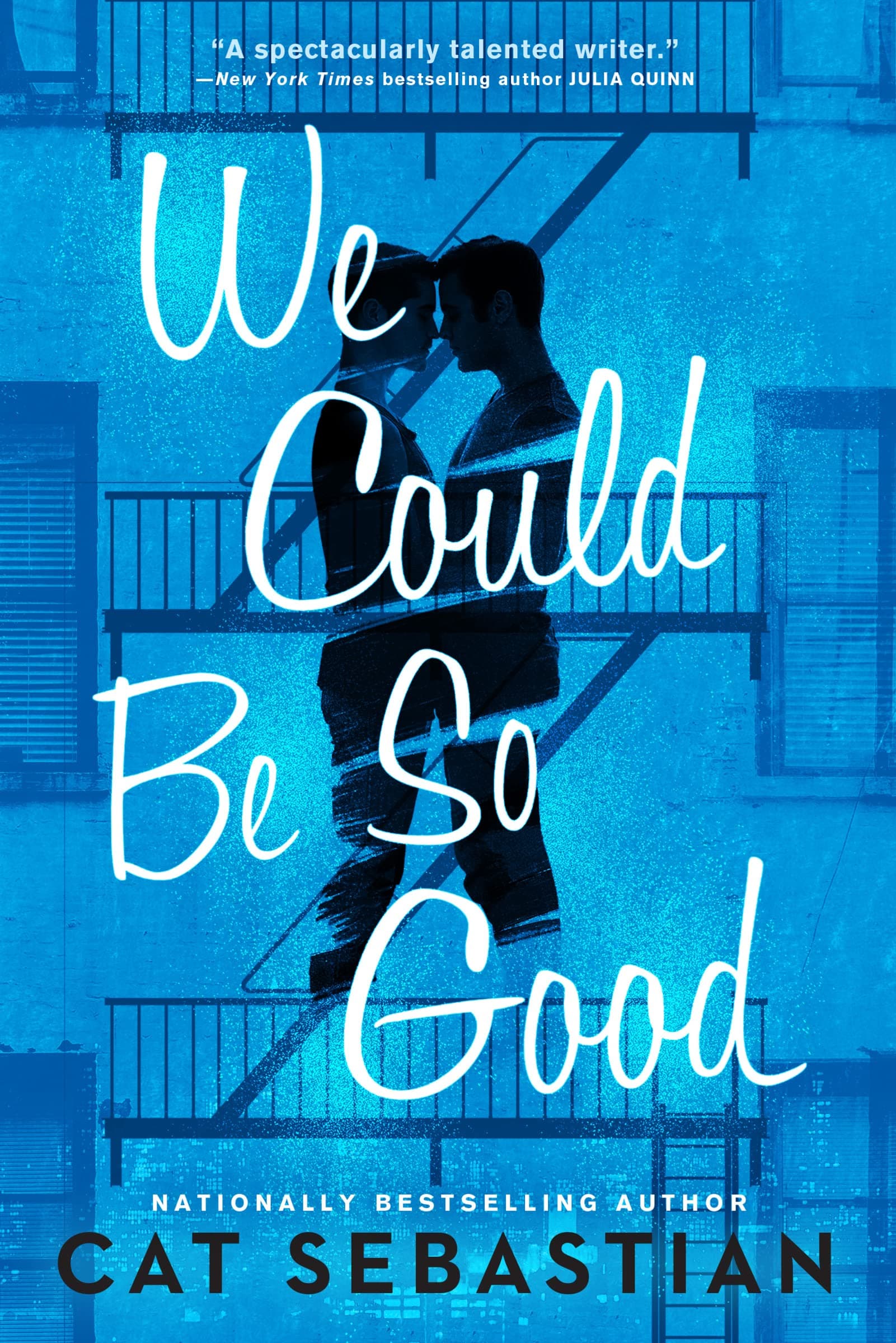
We Could Be So Good
You Should Be So Lucky
The Ruin of a Rake