Carmen Maria Machado
Blending speculative fiction, body horror, and fairy-tale tropes with contemporary queer realism, short fiction and non-fiction narratives have reshaped expectations surrounding form and genre boundaries. Carmen Maria Machado gained widespread critical acclaim with her debut short story collection, Her Body and Other Parties, which reimagined women's bodily autonomy, sexuality, and trauma through surreal and gothic lenses.
Machado further expanded her literary footprint with In the Dream House, an inventive memoir that uses various narrative tropes and pop-culture mechanisms to depict an abusive same-sex relationship, earning major honours across fiction, non-fiction, and genre communities.
Career & Background
Born on July 3, 1986, in Allentown, Pennsylvania, Machado developed an early passion for imaginative literature and storytelling. She completed her undergraduate studies at American University before earning her Master of Fine Arts from the Iowa Writers' Workshop in 2012, while also attending the Clarion Workshop that same year. Her paternal grandfather was an immigrant from Cuba, a heritage that informed her cultural awareness alongside her immersion in speculative traditions.
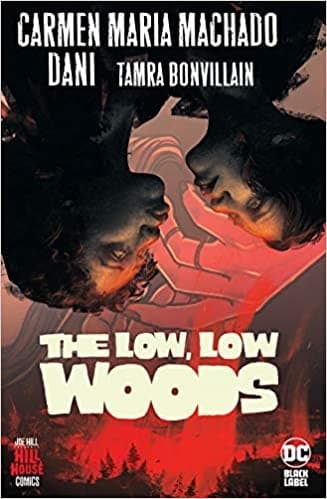
Over the course of her career, Machado has served as a faculty member teaching creative writing and speculative fiction at the University of Pennsylvania. Her work has received numerous prominent awards and fellowships, including a Guggenheim Fellowship in fiction in 2019. Alongside her prose collections and essays, she expanded into sequential art by writing the six-issue graphic novel series The Low, Low Woods for DC Comics' Hill House Comics imprint.
Writing Style & Themes
Machado's writing style is noted for its formal experimentation, blending fabulism, science fiction, gothic horror, and memoir. In her short fiction, such as her widely anthologized story 'The Husband Stitch', she repurposes urban legends and folklore to explore systemic violence, female agency, and physical vulnerability. She frequently addresses themes of queer identity, desire, bodily autonomy, and psychological trauma, refusing rigid boundaries between literary and speculative fiction.
In her non-fiction, particularly her memoir, Machado utilizes tropes from distinct literary modes—ranging from haunted house motifs and choose-your-own-adventure formats to film tropes and procedural structures—to articulate domestic abuse within LGBTQ+ relationships. This structural innovation allows her to interrogate historical gaps in queer archival history while maintaining emotional urgency and analytical precision.
Major Works
- Her Body and Other Parties — Published in 2017, this debut short story collection blends fantasy, horror, and psychological realism. A finalist for the National Book Award, it won the Shirley Jackson Award, the Lambda Literary Award for Lesbian Fiction, the Brooklyn Public Library Literature Prize, the Bard Fiction Prize, and the National Book Critics Circle's John Leonard Prize.
- In the Dream House — Released in 2019, this experimental memoir examines an abusive domestic relationship through shifting literary tropes, genres, and cultural references. The book won the 2021 Folio Prize, the Lambda Literary Award for LGBTQ Nonfiction, the Bisexual Book Award, and the Judy Grahn Award.
- The Low, Low Woods — Debuting in late 2019 as a six-issue comic series from DC Comics' Black Label imprint (Joe Hill Presents/Hill House Comics), this graphic novel explores body horror, forgotten memories, and eerie mysteries in a Pennsylvania mining town.
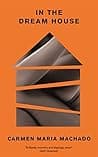
In the Dream House
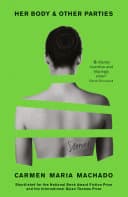
Her Body and Other Parties