
§Author· 1 book
Bram Stoker
Also known as Abraham Stoker, Brahm Stoker
The 1897 Gothic horror novel Dracula established enduring conventions of vampire literature and horror fiction through its vivid epistolary format and central antagonist. Irish writer Abraham "Bram" Stoker created this landmark work while balancing a demanding professional career in the theatrical world. Although his fictional creation gained monumental renown in twentieth-century popular culture, Stoker was primarily known during his lifetime as an influential London theatre administrator.
Career & Background
Born on November 8, 1847, in Clontarf, near Dublin, Ireland, Stoker was the third of seven children born to Abraham Stoker Sr. and Charlotte Thornley Stoker. Confined to bed by illness for much of his first seven years, he eventually recovered and pursued higher education at Trinity College Dublin, where he studied mathematics. He initially worked as a civil servant and Dublin theatre critic, releasing his first novel, The Primrose Path, in 1875. In the late 1870s, Stoker transitioned to London to serve as the personal assistant to actor Sir Henry Irving and as business manager of the Lyceum Theatre, which Irving owned. Stoker managed the theatre for decades, writing fiction during his spare time alongside biographical works like Personal Reminiscences of Henry Irving, before passing away in Pimlico, London, on April 20, 1912.
Writing Style & Themes
Stoker's literary work is rooted in late Victorian Gothic horror, combining traditional regional folklore with contemporary psychological suspense. In Dracula, he utilized an epistolary structure composed of journal entries, personal letters, telegrams, and media clippings to ground supernatural terror in modern Victorian reality and technology. His narratives frequently contrast rational modern methods against ancient superstitions, exploring themes of invasion, moral vulnerability, and collective defense against corruption.
Major Works
- Dracula — Published in May 1897, this Gothic horror novel details Count Dracula's relocation from Transylvania to England and the subsequent effort by a group of determined individuals to destroy the vampire. Written as a composite of personal diaries, letters, and news records, the novel established core motifs of vampire literature.
§All Books
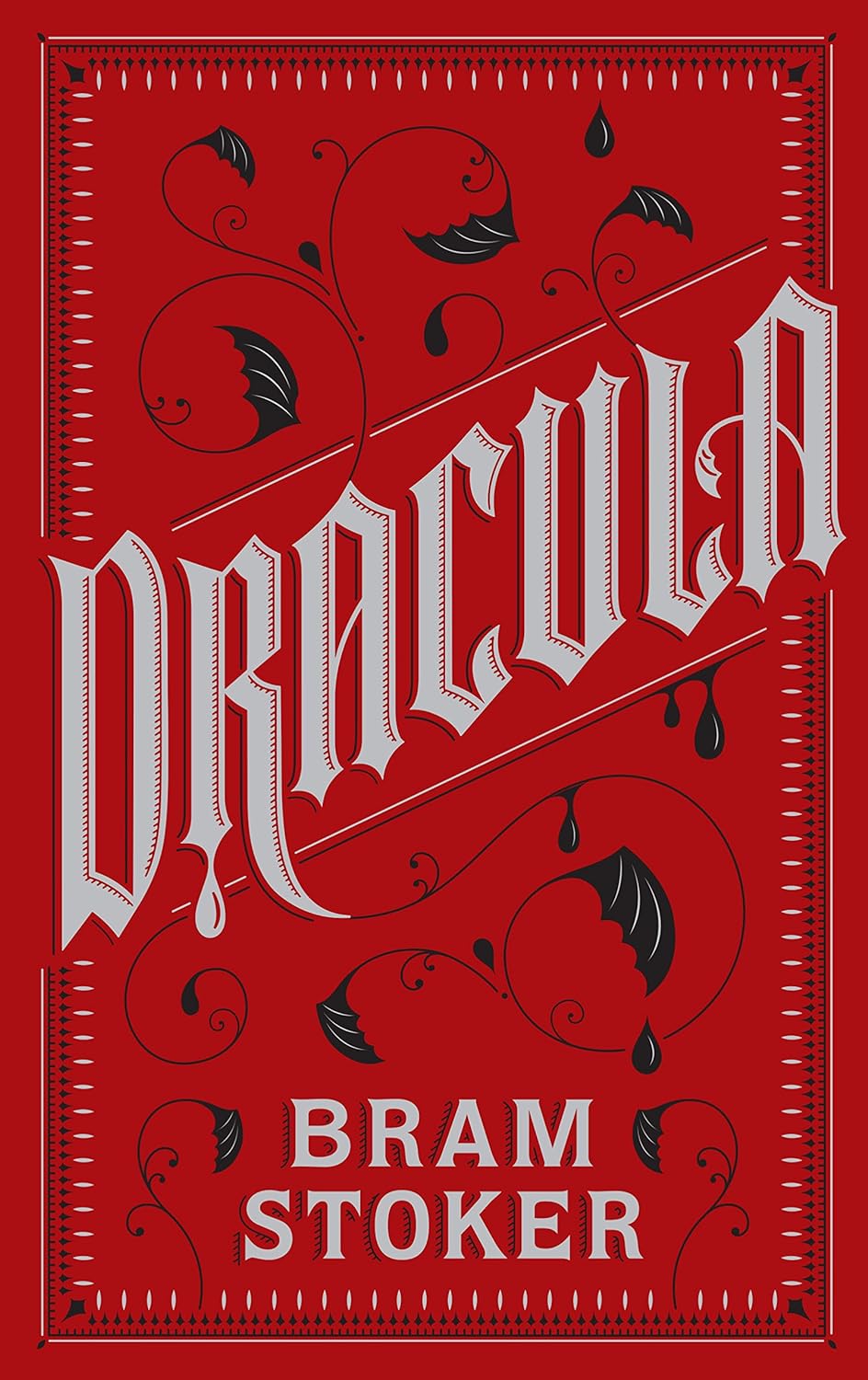
Dracula
Bram Stoker, 1896
1,716 ratings
§ About Bram Stoker's books
- Books on SansFiction
- 1
- Published
- 1896
- Average rating
- 3.9 / 5 across 1,716 ratings
- Genres
- Adventure, Classics, Fantasy, Fiction
The book: Dracula (1896)
"Little does he realize that, in doing so, he endangers all that he loves. For Dracula is one of the Un-dead—a centuries-old vampire who sleeps by day and stalks by night, feasting on the blood of his helpless victims. Once on English soil, the count sets his sights on Jonathan's circle of associates, among them his beloved wife Mina.
Common questions about Bram Stoker
- Who is Bram Stoker?
- Born on November 8, 1847, in Clontarf, near Dublin, Ireland, Stoker was the third of seven children born to Abraham Stoker Sr. and Charlotte Thornley Stoker. Confined to bed by illness for much of his first seven years, he eventually recovered and pursued higher education at Trinity College Dublin, where he studied mathematics.
- What is Bram Stoker best known for?
- Bram Stoker is best known for Dracula, published in 1896 with 1,716 ratings and a 3.9 average. It is the most-rated of Bram Stoker's books on SansFiction.
- What genres does Bram Stoker write?
- Bram Stoker's books on SansFiction are tagged Adventure, Classics, Fantasy and Fiction.