Also known as Astrid Anna Emilia Ericsson, Astrid Anna Emilia Lindgren, Astrid Ericsson
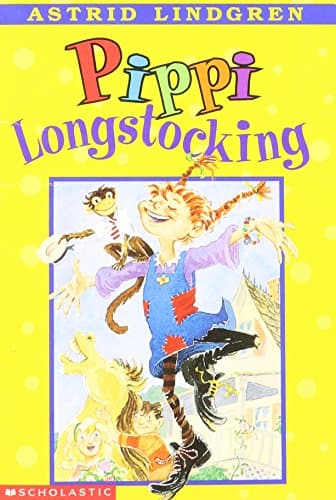
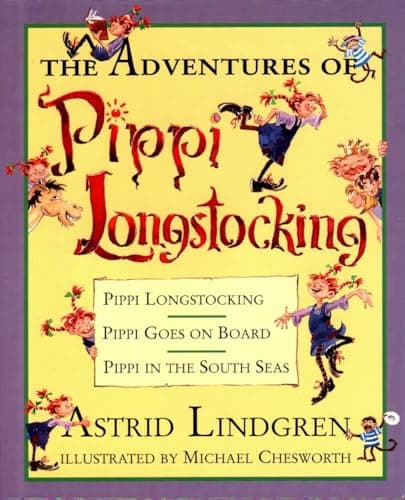
Children's literature transformed in 1945 with the arrival of an extraordinarily strong, independent girl living without parents in Villa Villekulla who casually upended conventional adult authority. Swedish author Astrid Lindgren introduced this character in Pippi Longstocking, launching an expansive body of work containing dozens of chapter books and picture books that redefined stories written for young readers across the globe.
Her published works span thirty-four chapter books and forty-one picture books, translated into scores of languages and adapted into iconic films, television programs, and theatrical productions. By focusing on the emotional reality of childhood rather than delivering moralistic lessons, she established a perspective in children's fiction where play, independence, grief, and exuberance exist side by side.
Astrid Anna Emilia Ericsson was born on November 14, 1907, on the Näs farm near Vimmerby in Småland, Sweden. Her childhood on the farm was marked by deep security, parental affection, and energetic play alongside her three siblings. However, farm life was also defined by shared physical labor, where the Ericsson children worked alongside maids and farmhands. Her lifelong passion for literature was first ignited in the kitchen of Edit, the cowman's daughter, who read her a fairytale. Recognized for her writing skills during her school years, she was dubbed 'Vimmerby's Selma Lagerlöf' after an essay she wrote was published in the local newspaper, Vimmerby Tidning, where she subsequently accepted a volunteer position.
At eighteen years old, pregnant and unwilling to marry the child's father or remain in her hometown, she left Vimmerby for Stockholm to forge an independent life. In the capital, she trained as a typist and stenographer, acquiring technical skill sets that would later prove essential to her secretarial and literary endeavors. While working as a secretary at the Royal Automobile Club (Kungliga Automobilklubben), she met office manager Sture Lindgren, whom she married in 1931 after meeting him in 1928. The couple lived initially in a small apartment on Vulcanusgatan before moving in 1941 to a flat on Dalagatan overlooking Vasaparken, where she raised her children, Lasse and Karin, and remained for the rest of her life.
Her literary breakthroughs began in the mid-1940s after inventing stories about Pippi Longstocking for her daughter Karin in 1941. After winning second prize in a 1944 girls' book competition with Britt-Mari lättar sitt hjärta, she published Pippi Longstocking with Rabén & Sjögren in 1945. Shortly thereafter, she joined Rabén & Sjögren as a children's book editor, eventually directing their children's publishing division. Her daily routine involved shorthand writing in bed at Dalagatan until late morning, followed by afternoon editorial work negotiating contracts, editing manuscripts, and collaborating with illustrators until her retirement in 1970.
Balancing her professional responsibilities with personal hardship—following the illness of her husband Sture in 1950 and his death in 1952 at age fifty-three—she maintained a remarkably productive writing schedule throughout the 1950s and 1960s. Summers spent at Furusund in the Stockholm archipelago inspired works set in island environments, including her stories of Seacrow Island (Saltkråkan). Alongside her editorial and authorial duties, she engaged directly in public life, maintaining active involvement with family and friends while fulfilling public reading engagements and film premieres across Europe.
In her later decades, she emerged as a major public figure and civic advocate in Sweden and internationally. In 1976, her satirical commentary on taxation contributed directly to the fall of the Social Democratic government after forty years in power. Following her receipt of the Peace Prize of the German Book Trade in 1978, her acceptance speech galvanized international public debate surrounding corporal punishment, accelerating legislative action against spanking. She actively opposed nuclear power in the 1980 Swedish referendum and campaigned against factory farming, prompting comprehensive reforms in Swedish animal welfare laws. Following a stroke at age ninety-one, she died on January 28, 2002, at her Dalagatan home; her funeral took place on March 8, 2002, on International Women's Day.
Her narrative technique is rooted in an authentic child-centric perspective that firmly rejects heavy-handed didacticism. Writing from the vantage point of the child within herself, her prose values naturalistic dialogue, playful language, and imaginative freedom. The physical settings of her stories frequently draw upon her Småland childhood and the island landscapes of Furusund, depicting rustic farmyards, sprawling pastures, and coastal communities where daily labor and imaginative play intermingle seamlessly.
Emotional nuance is a structural pillar of her narrative universe, which explores melancholic themes such as mortality, loneliness, fear, and grief alongside joy and adventure. Works featuring fantastical realms provide young protagonists with the agency to confront illness, existential sorrow, and oppressive power structures. Through these contrasting elements, her stories validate the psychological complexity of young people, demonstrating that personal autonomy and responsibility develop hand in hand within supportive environments.
Subversive humor and social critique operate as vital creative tools across her bibliography. Protagonists regularly challenge arbitrary adult authority, rigid social hierarchies, and institutional hypocrisy through quick wit, physical prowess, or simple common sense. This commitment to personal freedom extends directly from her narrative philosophy into her real-world advocacy for children's rights, non-violence, environmental protection, and the ethical treatment of animals.

Also known as Astrid Anna Emilia Ericsson, Astrid Anna Emilia Lindgren, Astrid Ericsson
Children's literature transformed in 1945 with the arrival of an extraordinarily strong, independent girl living without parents in Villa Villekulla who casually upended conventional adult authority. Swedish author Astrid Lindgren introduced this character in Pippi Longstocking, launching an expansive body of work containing dozens of chapter books and picture books that redefined stories written for young readers across the globe.
Her published works span thirty-four chapter books and forty-one picture books, translated into scores of languages and adapted into iconic films, television programs, and theatrical productions. By focusing on the emotional reality of childhood rather than delivering moralistic lessons, she established a perspective in children's fiction where play, independence, grief, and exuberance exist side by side.
Astrid Anna Emilia Ericsson was born on November 14, 1907, on the Näs farm near Vimmerby in Småland, Sweden. Her childhood on the farm was marked by deep security, parental affection, and energetic play alongside her three siblings. However, farm life was also defined by shared physical labor, where the Ericsson children worked alongside maids and farmhands. Her lifelong passion for literature was first ignited in the kitchen of Edit, the cowman's daughter, who read her a fairytale. Recognized for her writing skills during her school years, she was dubbed 'Vimmerby's Selma Lagerlöf' after an essay she wrote was published in the local newspaper, Vimmerby Tidning, where she subsequently accepted a volunteer position.
At eighteen years old, pregnant and unwilling to marry the child's father or remain in her hometown, she left Vimmerby for Stockholm to forge an independent life. In the capital, she trained as a typist and stenographer, acquiring technical skill sets that would later prove essential to her secretarial and literary endeavors. While working as a secretary at the Royal Automobile Club (Kungliga Automobilklubben), she met office manager Sture Lindgren, whom she married in 1931 after meeting him in 1928. The couple lived initially in a small apartment on Vulcanusgatan before moving in 1941 to a flat on Dalagatan overlooking Vasaparken, where she raised her children, Lasse and Karin, and remained for the rest of her life.
Her literary breakthroughs began in the mid-1940s after inventing stories about Pippi Longstocking for her daughter Karin in 1941. After winning second prize in a 1944 girls' book competition with Britt-Mari lättar sitt hjärta, she published Pippi Longstocking with Rabén & Sjögren in 1945. Shortly thereafter, she joined Rabén & Sjögren as a children's book editor, eventually directing their children's publishing division. Her daily routine involved shorthand writing in bed at Dalagatan until late morning, followed by afternoon editorial work negotiating contracts, editing manuscripts, and collaborating with illustrators until her retirement in 1970.
Balancing her professional responsibilities with personal hardship—following the illness of her husband Sture in 1950 and his death in 1952 at age fifty-three—she maintained a remarkably productive writing schedule throughout the 1950s and 1960s. Summers spent at Furusund in the Stockholm archipelago inspired works set in island environments, including her stories of Seacrow Island (Saltkråkan). Alongside her editorial and authorial duties, she engaged directly in public life, maintaining active involvement with family and friends while fulfilling public reading engagements and film premieres across Europe.
In her later decades, she emerged as a major public figure and civic advocate in Sweden and internationally. In 1976, her satirical commentary on taxation contributed directly to the fall of the Social Democratic government after forty years in power. Following her receipt of the Peace Prize of the German Book Trade in 1978, her acceptance speech galvanized international public debate surrounding corporal punishment, accelerating legislative action against spanking. She actively opposed nuclear power in the 1980 Swedish referendum and campaigned against factory farming, prompting comprehensive reforms in Swedish animal welfare laws. Following a stroke at age ninety-one, she died on January 28, 2002, at her Dalagatan home; her funeral took place on March 8, 2002, on International Women's Day.
Her narrative technique is rooted in an authentic child-centric perspective that firmly rejects heavy-handed didacticism. Writing from the vantage point of the child within herself, her prose values naturalistic dialogue, playful language, and imaginative freedom. The physical settings of her stories frequently draw upon her Småland childhood and the island landscapes of Furusund, depicting rustic farmyards, sprawling pastures, and coastal communities where daily labor and imaginative play intermingle seamlessly.
Emotional nuance is a structural pillar of her narrative universe, which explores melancholic themes such as mortality, loneliness, fear, and grief alongside joy and adventure. Works featuring fantastical realms provide young protagonists with the agency to confront illness, existential sorrow, and oppressive power structures. Through these contrasting elements, her stories validate the psychological complexity of young people, demonstrating that personal autonomy and responsibility develop hand in hand within supportive environments.
Subversive humor and social critique operate as vital creative tools across her bibliography. Protagonists regularly challenge arbitrary adult authority, rigid social hierarchies, and institutional hypocrisy through quick wit, physical prowess, or simple common sense. This commitment to personal freedom extends directly from her narrative philosophy into her real-world advocacy for children's rights, non-violence, environmental protection, and the ethical treatment of animals.