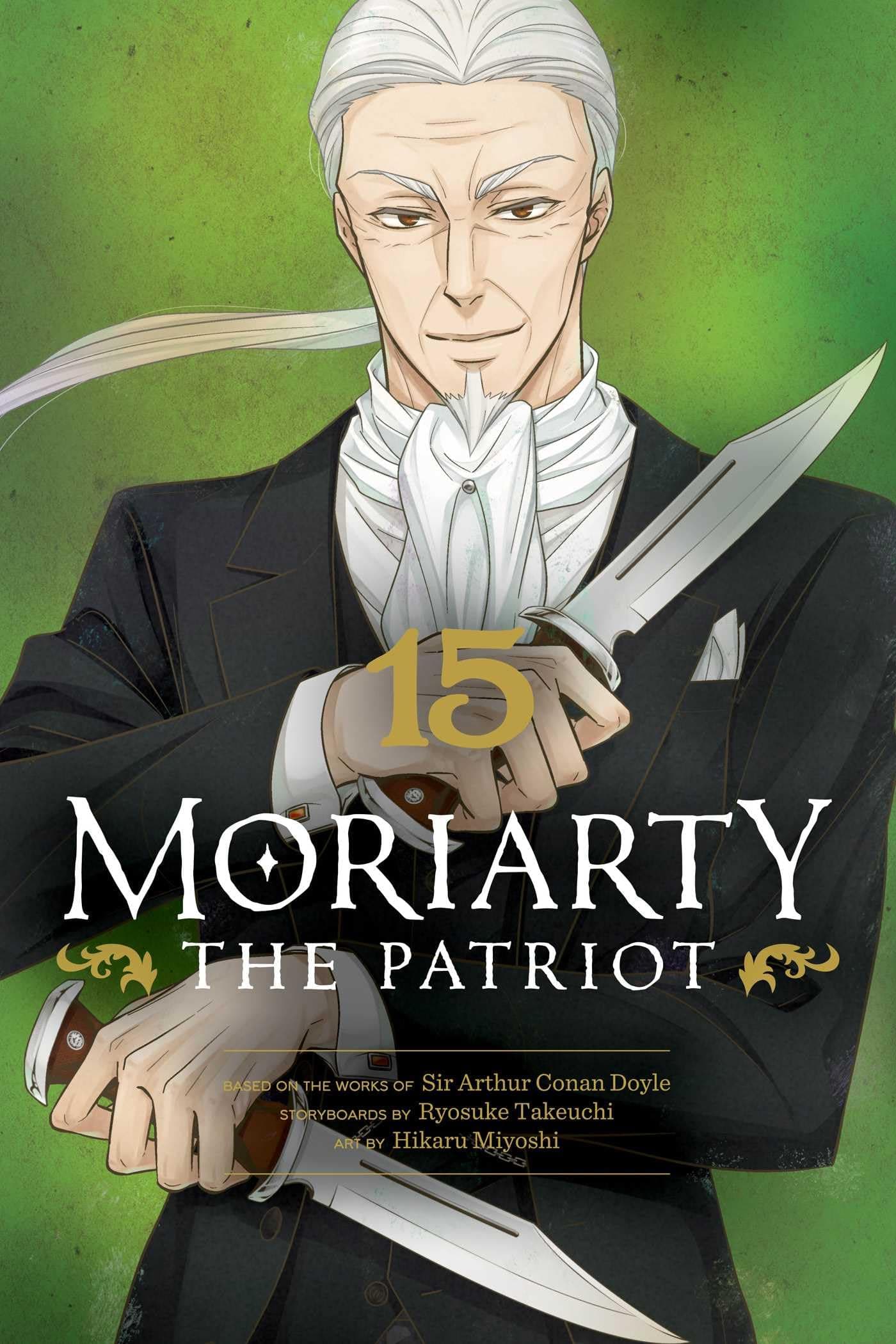
Arthur Conan Doyle
Also known as Sir Arthur Conan Doyle, Sir Arthur Ignatius Conan Doyle
The introduction of rigorous deductive methods into crime fiction established new benchmarks for detective literature through influential collections such as The Adventures of Sherlock Holmes. Sir Arthur Ignatius Conan Doyle, a Scottish physician and author born on 22 May 1859, transformed mystery writing while building a wide-ranging bibliography that encompassed historical fiction, science fiction, poetry, drama, and non-fiction prior to his death on 7 July 1930.
While his consulting detective became an enduring milestone in crime fiction, Doyle also expanded speculative fiction through the adventures of Professor Challenger and brought analytical attention to historical and real-world mysteries, including popularising the mystery of the Mary Celeste.
Career & Background
Doyle entered the University of Edinburgh Medical School in 1876, where his observations of Dr. Joseph Bell profoundly shaped his literary development. Bell's ability to deduce a patient's background and diagnosis from minor visual details served as the chief model for Sherlock Holmes and his companion Dr. John Watson. Doyle began publishing while still a student, placing his first short story, 'The Mystery of the Sasassa Valley,' in Chambers's Journal in October 1879.
After completing his medical training, Doyle published A Study in Scarlet, introducing Holmes to the public. His literary production grew to include four novels and fifty-six short stories about Holmes, alongside historical novels, plays, four volumes of poetry, and over 200 total stories and articles. King Edward VII knighted Doyle in the 1902 Coronation Honours, recognizing his public service and authorship, which in his later years included extensive writings on Spiritualism.
Writing Style & Themes
Doyle's signature technique combined careful observational details, logical reasoning, and vivid atmosphere, replacing chance occurrences with systematic investigation to resolve narrative puzzles. In speculative fiction, notably The Lost World (1912) featuring Professor Challenger, he blended scientific speculation with adventure narrative, establishing tropes that shaped a distinct subgenre.
Across his varied bibliography of fantasy, science fiction, plays, romances, and non-fiction, Doyle frequently returned to themes of justice, empirical deduction, and moral responsibility. His analytical approach extended to real-world legal cases where he investigated miscarriages of justice, mirroring the investigative principles present in his fiction.
Major Works
- The Adventures of Sherlock Holmes — A key 1892 short story collection featuring Sherlock Holmes and Dr. John Watson that popularized the consulting detective and established classic mystery structures.
- The Hound of the Baskervilles — A celebrated gothic novel centering on Holmes and Watson investigating a deadly local legend on the Devonshire moors.
- The Lost World — A 1912 speculative novel that introduced Professor Challenger and an expedition to an isolated South American plateau where prehistoric creatures survived.
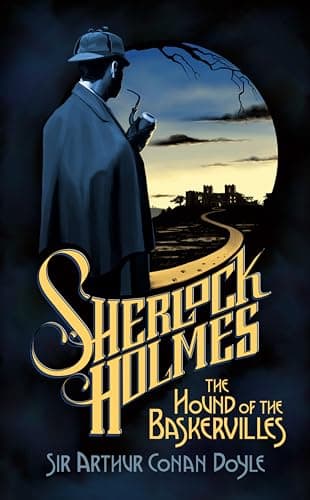
The Hound of the Baskervilles
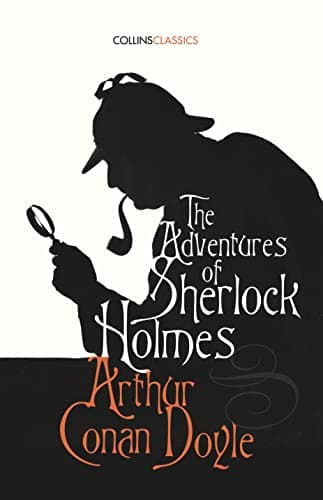
The Adventures of Sherlock Holmes
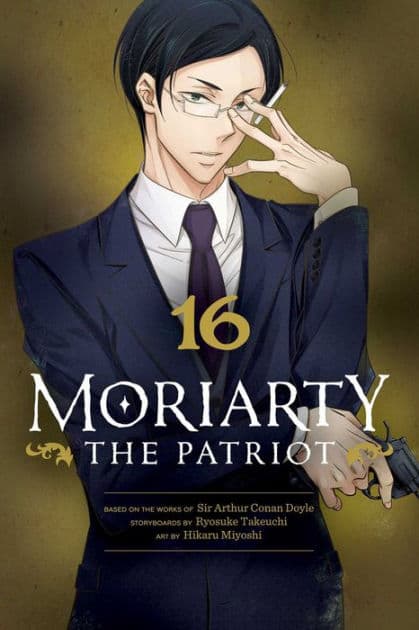
Moriarty the Patriot, Vol. 16