Anthony Doerr
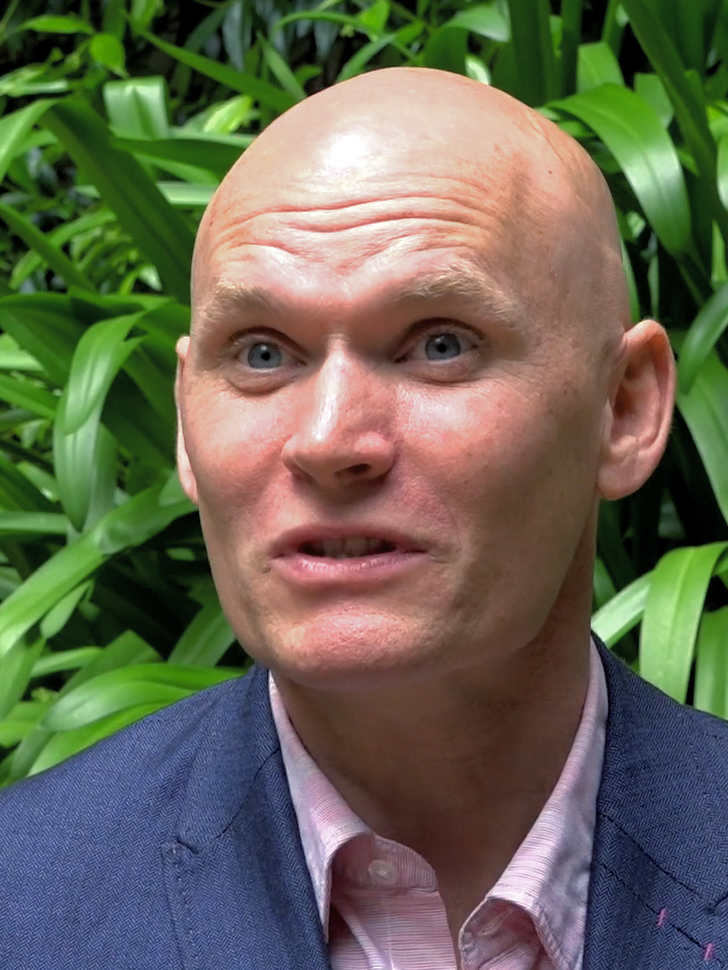
Richly detailed historical fiction and meticulous short stories explore human connection, nature, and the unseen forces that tie lives together across distance and time. American author Anthony Doerr gained international prominence with his deeply researched fiction, blending ecological precision, historical breadth, and intricate narrative structures.
Career & Background
Born and raised in Cleveland, Ohio, Doerr attended University School in Hunting Valley before majoring in history at Bowdoin College, where he graduated in 1995. He later earned his Master of Fine Arts from Bowling Green State University. His early short fiction appeared in prominent literary magazines and anthologies such as The Best American Short Stories, New American Stories, The Best American Essays, and The Scribner Anthology of Contemporary Fiction. Over his career, his short stories and essays earned five O. Henry Prizes, four Pushcart Prizes, the National Magazine Award for Fiction, the Rome Prize, the Barnes & Noble Discover Prize, the New York Public Library's Young Lions Award, two Pacific Northwest Book Awards, four Ohioana Book Awards, a Guggenheim Fellowship, and an NEA Fellowship. He was also awarded the 2010 Story Prize for his short story collection Memory Wall, as well as the Sunday Times EFG Short Story Award, the largest prize in the world for a single short story.
Doerr lives in Boise, Idaho, with his wife Shauna and their two sons. His work has been translated into over forty languages. Despite occasional queries from readers, he is not related to the late writer Harriet Doerr.
Writing Style & Themes
Doerr's writing is characterized by an attentive gaze toward natural history, technology, physical sciences, and memory. His historical narratives rely on extensive archival research, vivid sensory details, and lyrical prose that balances technical precision with emotional resonance. Across his short stories and novels, recurring themes include the natural environment, human resilience during times of crisis, fragile communication channels, and the enduring power of storytelling to connect people across vast temporal and geographical divides.
Major Works
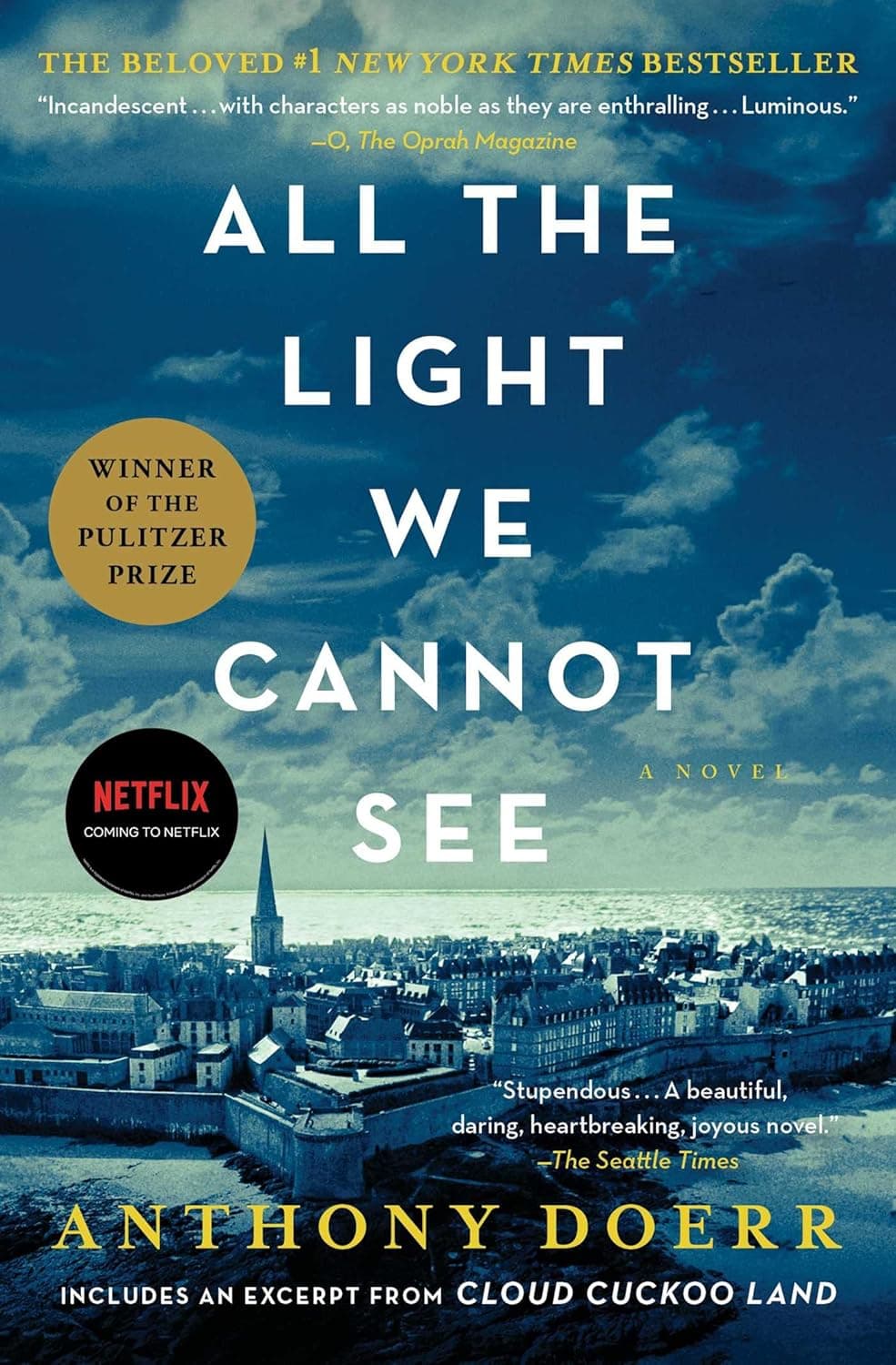
- All the Light We Cannot See — Set during World War II, this novel intertwines the lives of a blind French girl and a young German radio operator. The book spent 134 consecutive weeks on the New York Times hardcover bestseller list, became a #1 bestseller, and received the 2015 Pulitzer Prize for Fiction, the 2015 Andrew Carnegie Medal for Excellence in Fiction, and an Alex Award from the American Library Association.
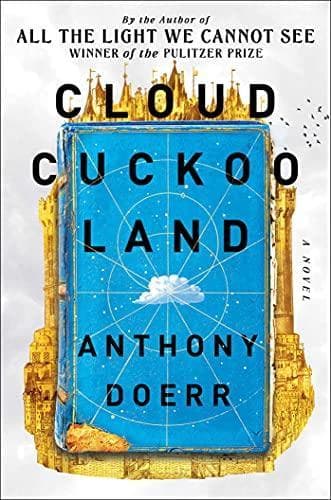
- Cloud Cuckoo Land — This sprawling novel spans three distinct eras—15th-century Constantinople, present-day Idaho, and a futuristic interstellar ship—bound together by an ancient Greek story. It was a #1 New York Times bestseller, a finalist for the 2021 National Book Award and British Book Award Novel of the Year, and winner of the Grand prix de littérature américaine in France.
- Memory Wall — This short story collection set across six continents explores memory, loss, and human connection, earning Doerr the 2010 Story Prize.
- The Shell Collector — Doerr's debut collection of short stories features characters navigating the natural world and human vulnerability, winning widespread acclaim including the Barnes & Noble Discover Prize.
- About Grace — Doerr's debut novel follows David Winkler, a hydrologist who experiences prophetic dreams about floods and snow, forcing him to confront fate and fatherhood.
- Four Seasons in Rome — A memoir chronicling Doerr's year in Rome with his wife and newborn twin sons after receiving the Rome Prize from the American Academy of Arts and Letters.
All the Light We Cannot See