AE
§Author· 5 books
Alix E. Harrow
Also known as Alix Heintzman
Speculative fiction featuring portal doors, historical re-imaginings, and fairy tale subversions has established a distinct voice in contemporary fantasy, most prominently showcased in The Ten Thousand Doors of January. Alix E. Harrow became a Hugo Award winner and New York Times bestselling author through rich narratives that probe magic, power, and historical agency.
Her short fiction and novels blend academic historical research with mythic reimagining, earning accolades across major speculative literature organizations and building a devoted readership.
Career & Background
Born on November 9, 1989, in Idaho, Alix E. Harrow grew up in Colorado and Kentucky. She entered Berea College at age sixteen, graduating in 2009 with a degree in history. Before pursuing creative writing full-time, Harrow worked in various roles including research assistant, cashier, housekeeper, instructional designer, and migrant farmworker. She earned a master's degree in history from the University of Vermont and taught history at Eastern Kentucky University. Publishing her debut story 'A Whisper in the Weld' in Shimmer in 2014, Harrow also wrote under the name Alix Heintzman. She gained broad literary prominence when her short story 'A Witch's Guide to Escape: A Practical Compendium of Portal Fantasies' won the 2019 Hugo Award and earned nominations for the Nebula, World Fantasy, and Locus awards. Her work has also won a British Fantasy Award and received nominations for the Southern Book Prize and Goodreads Choice Awards. Originally from Kentucky, she now lives in Charlottesville, Virginia, with her husband and two children, and is represented by literary agent Kate McKean at Howard Morhaim Literary Agency.
Writing Style & Themes
Harrow's writing frequently examines the social mechanics of power, historical agency, and the transformative potential of books and written words. Her narratives draw on folkloric structures, gothic tropes, and portal fantasy conventions to explore themes of regional identity, autonomy, and resistance. By combining academic historical awareness with mythic reinterpretation, her work subverts classic fairy tale premises—such as in her Fractured Fables novellas—and interrogates entrenched institutional structures while maintaining accessible, character-driven storytelling.
Major Works
- The Ten Thousand Doors of January — Published in 2019, this debut portal fantasy novel explores hidden thresholds, historic secrets, and personal identity in the early twentieth century. It was widely acclaimed and nominated for the Hugo, Nebula, World Fantasy, and Locus awards.
- The Once and Future Witches — A New York Times bestselling historical fantasy novel set in an alternate 1893, weaving together women's suffrage, historical magic, and sisterhood.
- Starling House — A Southern gothic fantasy novel set in Kentucky featuring a down-on-her-luck young woman named Opal McCoy who takes a housekeeping job at a mysterious, dilapidated estate.
- A Spindle Splintered — The first novella in the Fractured Fables retold fairy tale duology, reimagining Sleeping Beauty with themes of personal choice and subverting doomed tropes.
- A Mirror Mended — The second novella in the Fractured Fables duology, turning a critical, subversively empathetic lens onto the classic villain narrative.
- The Everlasting — A speculative novel continuing Harrow's exploration of myth, identity, and historical fantasy narrative.
§All Books

The Ten Thousand Doors of January
Alix E. Harrow, 2019
425 ratings
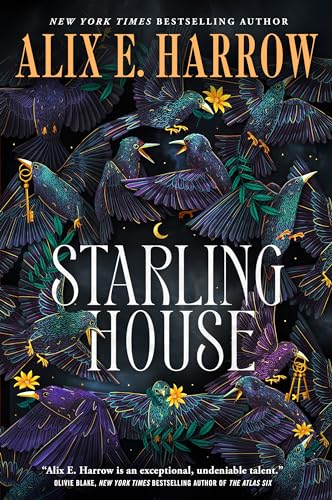
Starling House
Alix E. Harrow, 2023
275 ratings

A Spindle Splintered
Alix E. Harrow, 2021
176 ratings
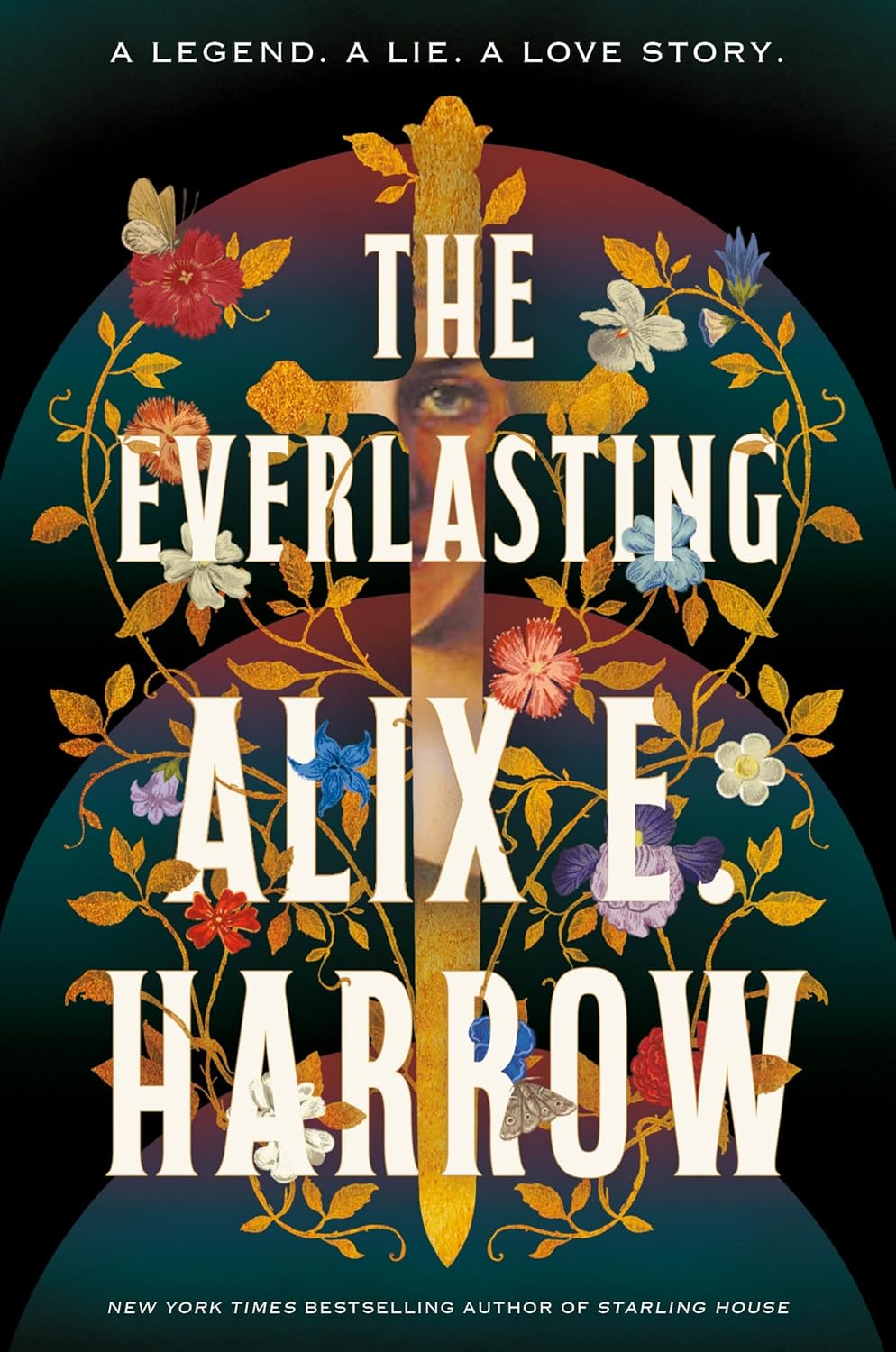
The Everlasting
Alix E. Harrow, 2025
51 ratings

Fractured Fables
Alix E. Harrow, 2024
1 ratings
§ About Alix E. Harrow's books
- Books on SansFiction
- 5
- Published
- 2019–2025
- Average rating
- 4.0 / 5 across 928 ratings
- Genres
- Science Fiction, Adventure, Young Adult, Fantasy
- Series
- Fractured Fables
Start here: The Ten Thousand Doors of January (2019)
In a sprawling mansion filled with peculiar treasures, January Scaller is a curiosity herself. As the ward of the wealthy Mr. Locke, she feels little different from the artifacts that decorate the halls: carefully maintained, largely ignored, and utterly out of place. Then she finds a strange book.
Fractured Fables: reading order
Common questions about Alix E. Harrow
- Who is Alix E. Harrow?
- Born on November 9, 1989, in Idaho, Alix E. Harrow grew up in Colorado and Kentucky. She entered Berea College at age sixteen, graduating in 2009 with a degree in history. Before pursuing creative writing full-time, Harrow worked in various roles including research assistant, cashier, housekeeper, instructional designer, and migrant farmworker.
- What is Alix E. Harrow best known for?
- Alix E. Harrow is best known for The Ten Thousand Doors of January, published in 2019 with 425 ratings and a 4.1 average. It is the most-rated of Alix E. Harrow's books on SansFiction.
- How many books has Alix E. Harrow written?
- SansFiction lists 5 books by Alix E. Harrow, published between 2019 and 2025. The most popular are The Ten Thousand Doors of January, Starling House, A Spindle Splintered, The Everlasting and Fractured Fables.
- What order should I read Alix E. Harrow's Fractured Fables books in?
- Read the Fractured Fables books in series order: 1. A Spindle Splintered, 1. Fractured Fables.
- What genres does Alix E. Harrow write?
- Alix E. Harrow's books on SansFiction are tagged Science Fiction, Adventure, Young Adult and Fantasy.
Explore: Science Fiction · Adventure · Young Adult · Fantasy